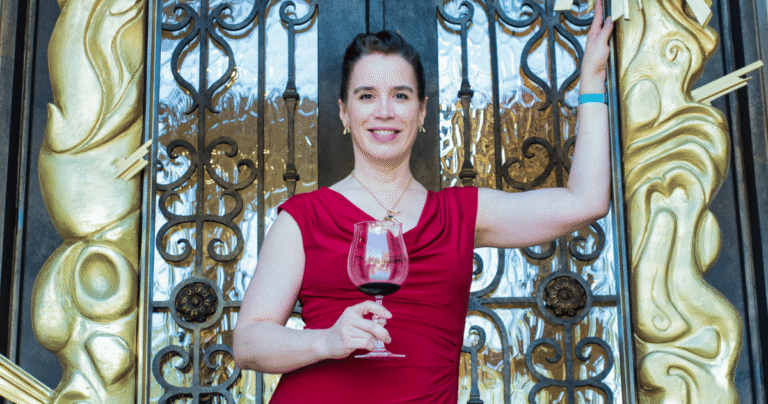
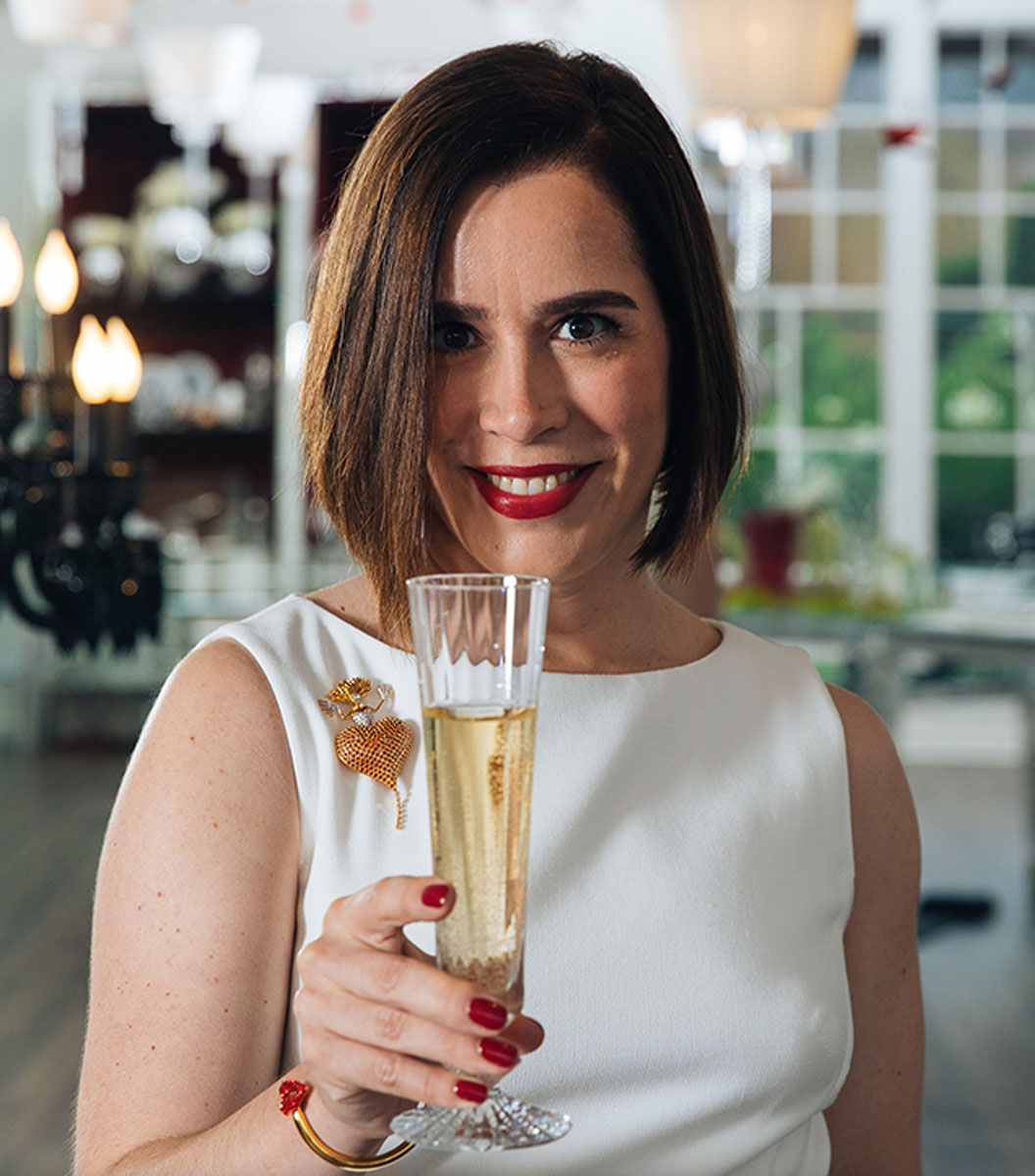
Dec. 8, 2023 – In sixth grade, Marnie Old, certified sommelier, author, and Boisset Collection director of vinlightenment, won a gold medal for her science fair project on plate tectonics. Inspired by her father who is a geography professor, she had keen interest in learning about emerging theories of continent formation on planet Earth. Intensely inquisitive with a persistent streak of independence she has protected through layer upon layer of initiative, creativity and hard work, Marnie ultimately crafted a fulfilling career with terrain and terroir as central tenets. “I grew up with geologic maps on my walls, which were beautiful and fascinating,” Marnie said to Chaîne during a Nov. 14 telephone interview. “I just found wine to be endlessly appealing in the sense that it brought together a lot of multidisciplinary interests I already had, including geography, history, linguistics and chemistry.”
Not only her interests but also her abilities drew her to a wine industry career. Growing up on the Canadian prairies, she attended French immersion schools, speaking English for only one hour per day until tenth grade. After high school, unsure of what to study in college and with dual citizenship, she instead followed her heart to be near her American boyfriend whom she had met in Canada. In 1987, they both settled in Philadelphia where they live today.

Philadelphia
Seventeen-year-old Marnie took the City of Brotherly Love’s restaurant scene by storm, first learning the ropes and then methodically building a strong ladder to success. She worked her way up from a diner to a jazz club and then to fine dining venues. “I quickly figured out that I only wanted to serve really good food,” Marnie said. She gravitated to fine dining where she was introduced to fine wine. “Before I was legally able to drink alcohol, I was already learning about wine and learning about service.”
Fluent in French, the language of wine, Marnie dove into its history and science while working as a server and a bartender at the Four Seasons Hotel Philadelphia where she soaked up knowledge like her bar sponge. In 1993, Kevin Zraly, legendary sommelier at New York City’s Windows on the World restaurant, took his wine classes on the road. When she learned the Four Seasons would be hosting the classes, she jumped at the chance to volunteer, becoming his chief wine pourer for the eight-session course. “That was just an eye-opening experience on so many levels – just fabulous,” she said.
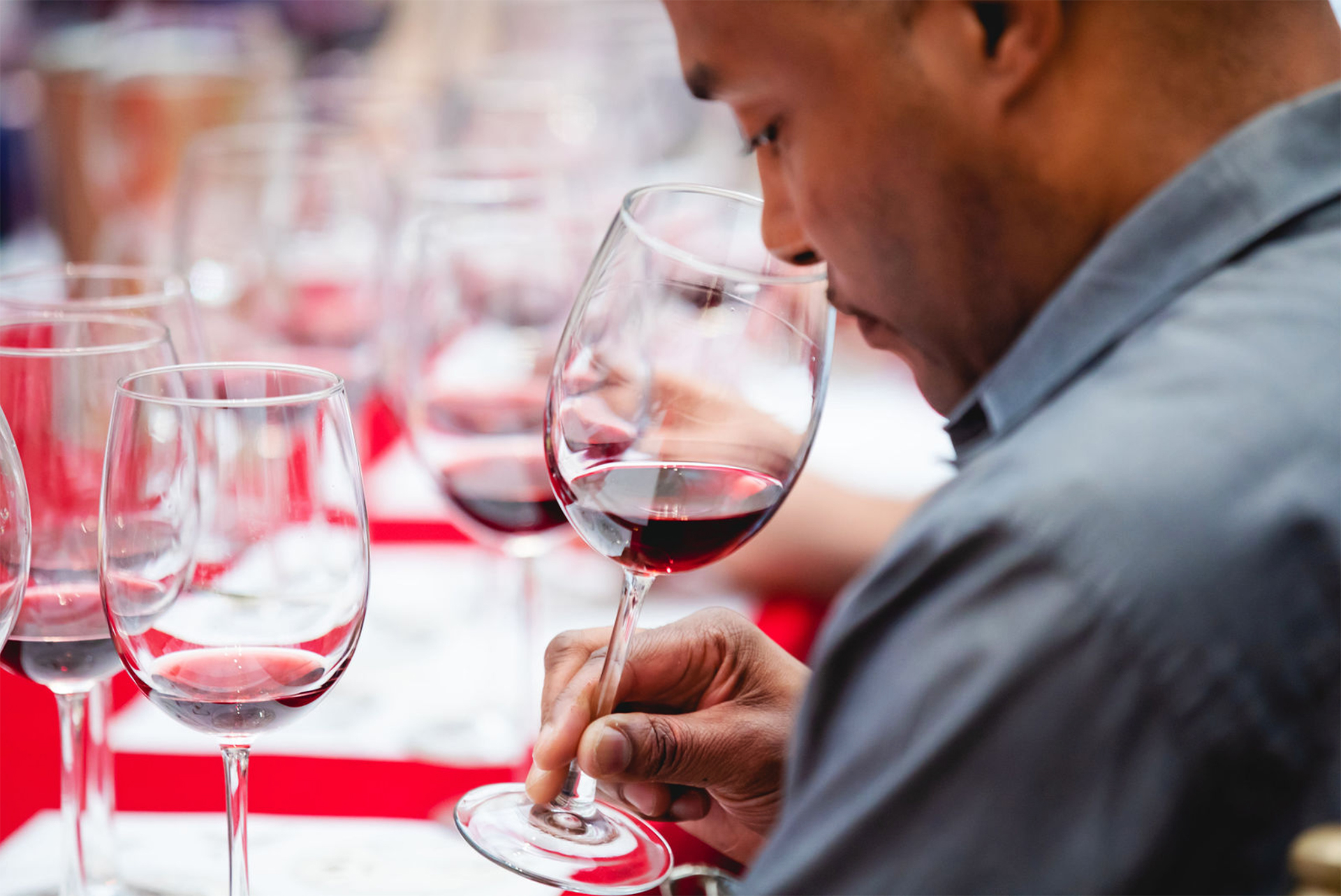
Before becoming a sommelier, Kevin had been a kindergarten teacher just as Marnie’s mother had. Marnie admired their ability to break down complex concepts to facilitate learning while having fun, a style of teaching she would adopt as she became a wine educator. Kevin has remained one of Marnie’s mentors throughout her career.
Now with experience in fine dining, Marnie next accepted a position at Chanterelles, a tiny, beloved fine dining restaurant in Philadelphia led my Master Chef Philippe Chin. It didn’t take long for Marnie’s fellow waiters and servers to ask her to come to their tables to explain wine to their guests. Then she had an epiphany. “I was very young and very naive but also ambitious and I saw an opportunity,” she said. Joe O’Neill, Chanterelles’ head server, managed the wine program but disliked those duties during the slow summer months when he would have rather been at the beach. So Marnie went to Chef Chin with a proposal. She would assume wine responsibilities for the summer, taking on the hard work of rebuilding the cellar for the busy fall season and would do so without pay. If successful, she would be recognized as Chanterelles’ sommelier and would be paid from that point forward. Chef Chin and Joe agreed, a win-win-win. Joe had time to spend at the shore; the restaurant’s bottom line improved; and Marnie secured a chance for a coveted promotion. “I did so much homework that summer. I was a total geek. I was definitely going way beyond the needs on that first wine list because I felt insecure about my level of wine knowledge,” she said. Determined to fill that gap, she pored through volumes of Robert Parker’s wine reviews and every wine book she could find.
Sommelier Career
Marnie curated a 120-bottle wine list for Chanterelles that summer with a Plan A, B, and C for each slot on the list since she didn’t know which wines were available or which distributors sold them. She describes what she did next as the product of 23-year-old wisdom. She mailed her curated wine list to every representative who was selling wine to the restaurant. Requesting quotes, only about 25 percent of her choices were available in Pennsylvania and she learned quickly that her vintage requests and pricing estimates were irrelevant in the real world of wine distribution. Some sales representatives found her earnest missive amusing but to their credit, most took her valiant effort seriously.
Marnie’s wine list succeeded that fall. “That’s how I became a sommelier at the age of 23,” Marnie said.
Firmly planted in Philadelphia, her location was a serendipitous advantage. “Pennsylvania was a terrible place to be a sommelier,” she explained. Sommeliers with experience would head for less restrictive states. The resulting turnover rate opened the door for Marnie’s meteoric rise as one of Philadelphia’s top sommeliers.
From Chanterelles, she became the sommelier at Striped Bass, then one of Philadelphia’s most fashionable fine dining restaurants. The prestigious job gave her clout and her first paid vacation. With three weeks off, she traveled throughout France visiting wineries in Burgundy, Champagne and Alsace. Running from train to train and appointment to appointment, she decided that would be her last working vacation. From that moment on, she kept wine travel and leisure time in separate barrels.
At this juncture in her career, she made another fortuitous decision. Rather than seeking formal wine certification, she volunteered to teach wine classes for waiters across the city, which had her doing more homework. “That tactic got me very far, very quickly,” she said. Her father laughs because Marnie’s brother did the opposite, spending more than 15 years earning degrees to become an orthopedic surgeon while Marnie created her career by pursuing her own interests as a do-it-yourself project. He is proud of both paths, she added. Years later, Marnie did eventually seek certification through the Court of Master Sommeliers, passing their rigorous Advanced Sommelier three-part exam on her first attempt.
With her reputation rising, in 1997, Marnie and her growing network of Philadelphia wine professionals identified a gaping hole in sommelier education at the national level. At the time, prerequisites for the Court of Master Sommeliers’ most basic certification were unattainable for most aspirants. Seeking to bridge that gap, Marnie joined with sommeliers from New York and Florida to establish the non-profit American Sommelier Association (ASA), serving as a founding board member and their education chair. Her mission was to develop an introductory “foundation” course for those with no prior wine knowledge, one which would not compete with the Court of Master Sommeliers but rather, act as a feeder for it by offering basic training. “My goal was to create Sesame Street for wine,” she said.
Her leadership role in the fledgling ASA gave her the freedom to dream big, and on this project, doing her homework ultimately helped Marnie reshape wine education in America by uprooting the status quo. Wine education courses had always started with how wine is made and then jumped into the major wine regions, requiring students to tackle long lists of appellations and their grapes before they understood basic wine concepts. “It was all done by brute force memorization,” Marnie explained.
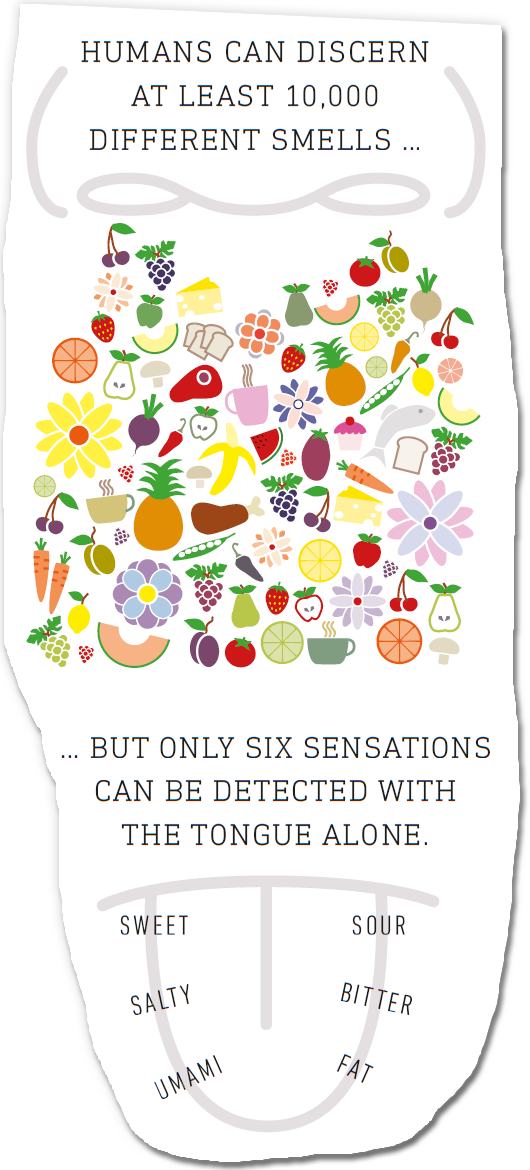
Knowing this to be an ineffective educational strategy, she took a different approach, one inspired by her parents and mentor. Pondering barriers to comprehension in wine education, Marnie decided to begin her course with big-picture generalizations with an emphasis on the importance of sensory perception, learning how professionals analyze wines and how those differences are described.
Before her students tasted a single glass of wine, she first introduced nonalcoholic drinks containing club soda and varying ingredients to help isolate tastes, smells and tactile components. To teach acidity, she added lemon juice and for red wine tannins, she added black tea. To illustrate how wine could taste fruity without being sweet, she used flavored seltzer. With these baseline tasting experiences, her students could sensibly evaluate every wine that followed, Marnie thought. Her strategy proved to be highly effective.
Making Lemonade from Lemons
In a series of setbacks in 2001, Marnie had to turn her lemons into lemonade. First, she was laid off from her day job in the post 9/11 belt-tightening environment. One month later, with her Wine Foundation Course fully developed and executed for the ASA, her relationship with the nascent group ended abruptly. Over ideological differences, ASA wanted neither her work product nor her presence on their board. “I was devastated when this happened but both departures were the best things that could have happened for my career,” she said. “The work I did for the ASA as a volunteer has formed the basis for all five of the books I’ve written since.”
Marnie leveraged her experience into a springboard for her next chapter. In 2001, she launched her consulting business through which she would later advise high profile restaurants such as New York City’s Morimoto and Philadelphia’s Parc. Almost immediately, she shifted her teaching focus to culinary schools, most notably the French Culinary Institute in Manhattan where she became their director of wine studies in 2006.
Author
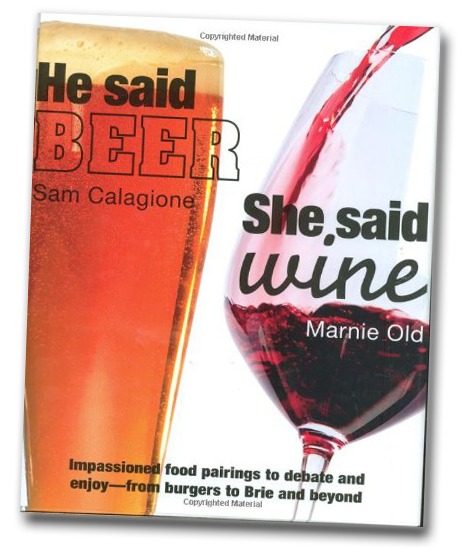
In 2009, Marnie made her writing debut as co-author of He Said Beer, She Said Wine with Sam Calagione, founder of Dogfish Head Craft Brewery, a tongue-in-cheek debate between partisans of each beverage. Sam’s high profile and the book’s timely message helped propel Marnie to national attention.

 DK Publishing admired her work and in 2013, offered Marnie a dream book deal, the chance to write an infographic wine basics book as part of DK’s full-color series on drinks. There was one catch though. DK needed the book finished in three months, a lightning fast deadline in the publishing world. “I could never have signed that contract if I were starting from scratch,” she said. “But I had been teaching using visuals from day one and had refined my system for over a decade, so I was ready.”
Still, the work was onerous as she worked 12 to 14-hour days. She met her deadline with help from her husband who brought her food. “I don’t think I left the house for three months,” she said. The result, Wine – A Tasting Course, has been a great success, now translated into 17 languages and widely used as a beginner’s textbook. “Writing that book was the heaviest lift of my life. It’s undoubtedly the best thing I’ve ever done and will live beyond me. I don’t have kids so I’m allowed to say that,” Marnie said.
Jean-Charles Boisset and Boisset Collection
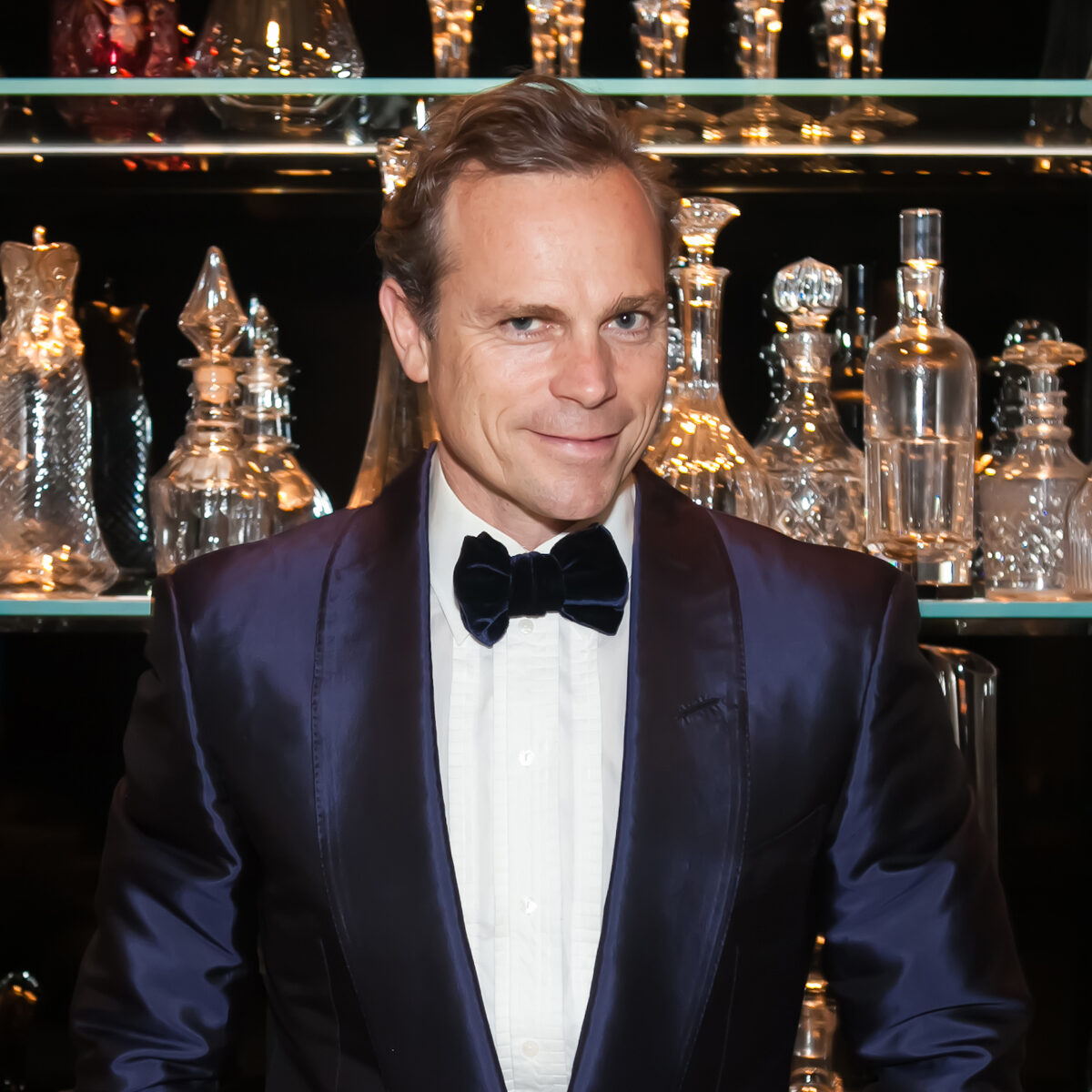
The book had an immediate impact on Marnie’s career. Two lunches with Jean-Charles Boisset in Philadelphia, a few years apart, set the wheels in motion.
Marnie first met Jean-Charles Boisset, the proprietor of Boisset Collection, one of the world’s largest family-owned wine companies, in 2010. At a press luncheon shortly after launching her first book, she gifted him a signed copy, which prompted a fascinating four-hour conversation on wine and beer over a nine-course lunch. They shared a goal to help people connect with wine by breaking down the intimidating barriers that had dominated America’s wine culture for decades. While addressing the issue from different perspectives, they were both on the same page.
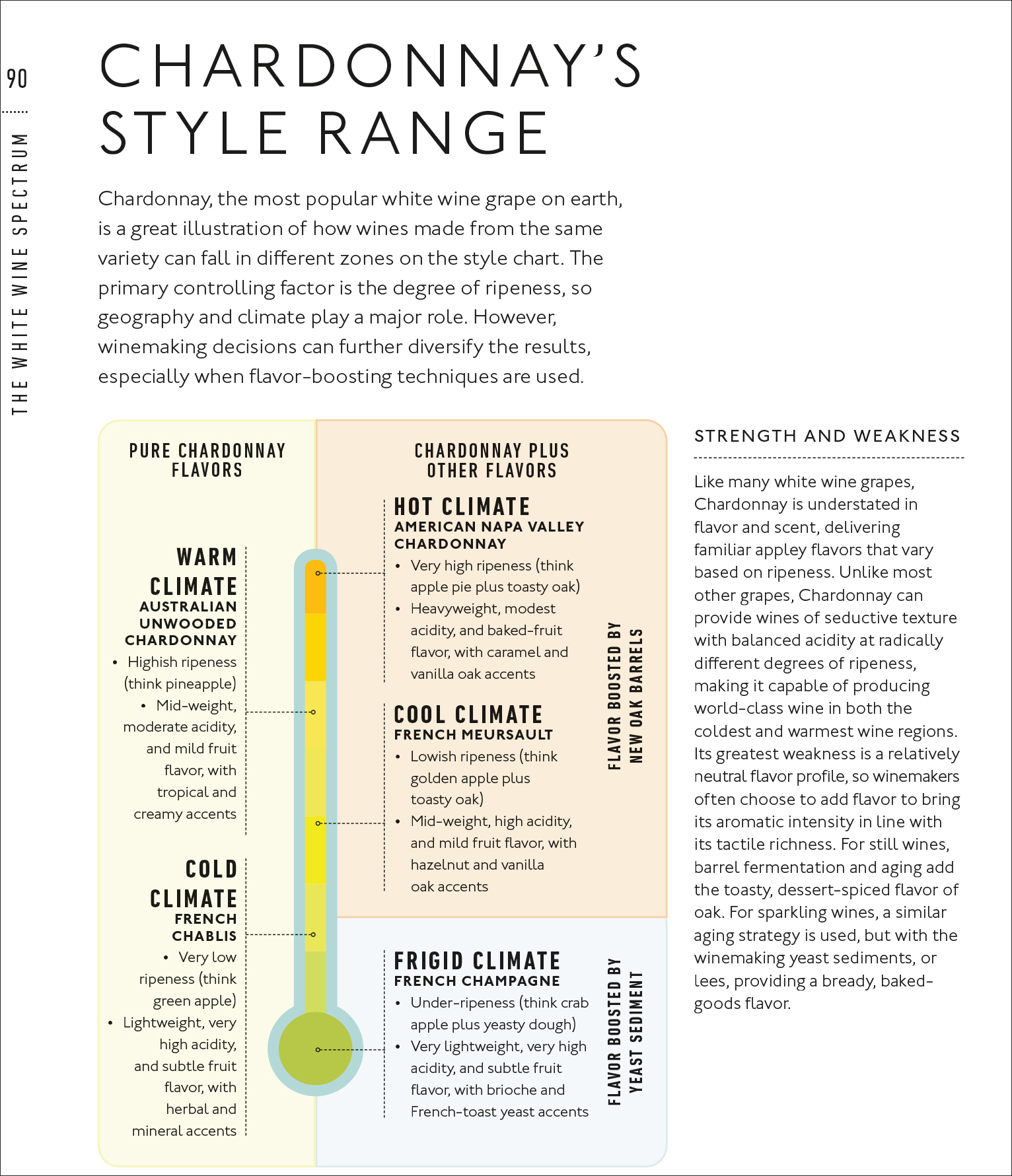
Four years later, Boisset invited Marnie to a Friday Bubbly Brunch with Jean-Charles at Rouge, a fine dining restaurant located on Philadelphia’s historic Rittenhouse Square. She again gifted Jean-Charles a signed book, this time her newly published infographic wine primer. By chance, as he held the book it opened to the page featuring a Chardonnay infographic with a thermometer showing how climate shapes the vast spectrum of wine styles the grape can produce, from brisk French Blanc de Blancs to buttery California Chardonnay.
Jean-Charles had never seen it explained so succinctly. He hired Marnie on the spot to serve as a consultant for Boisset Collection’s marketing efforts, including a new project they had launched for direct-to-consumer sales – the Boisset Ambassador Program.
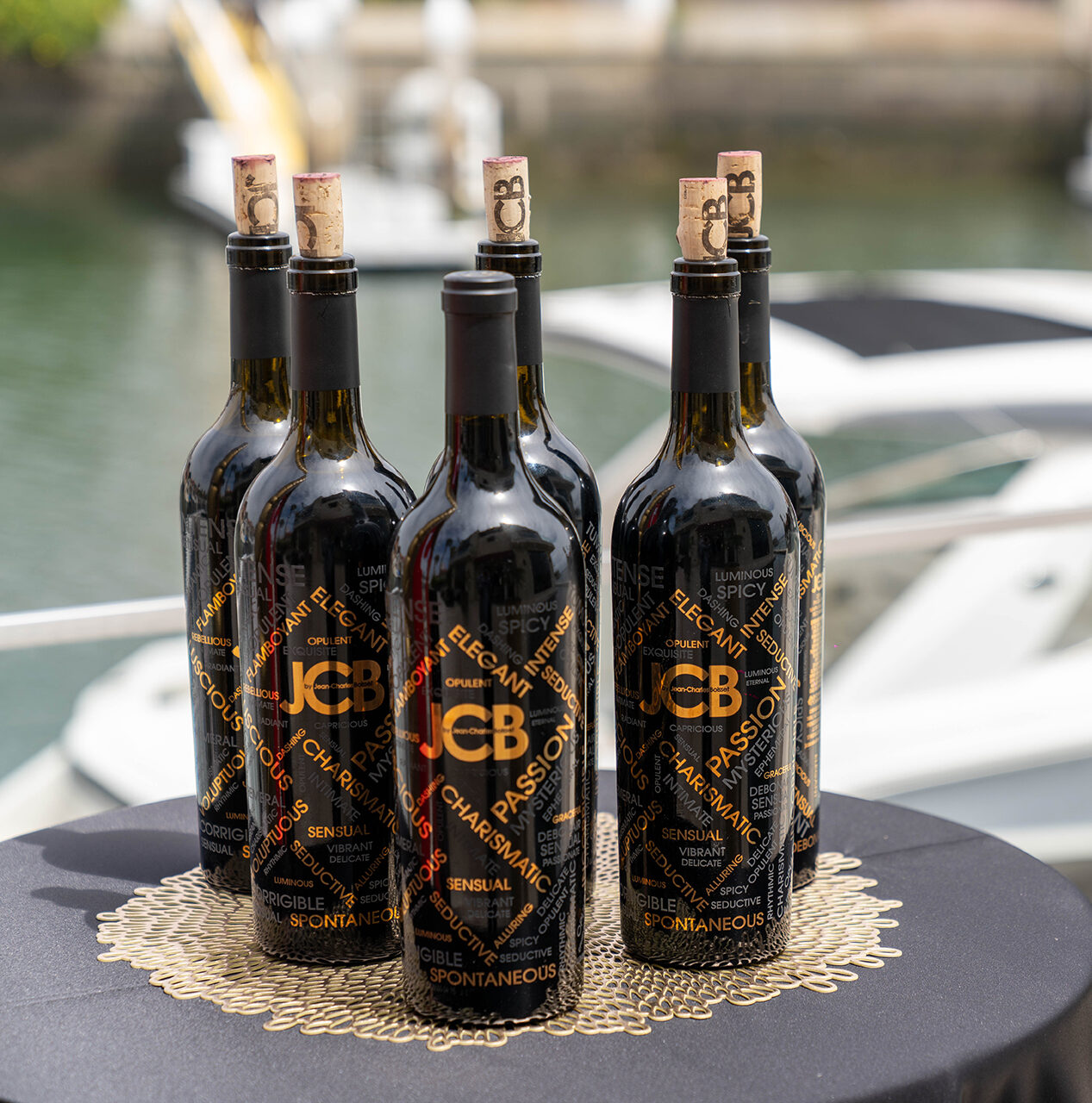
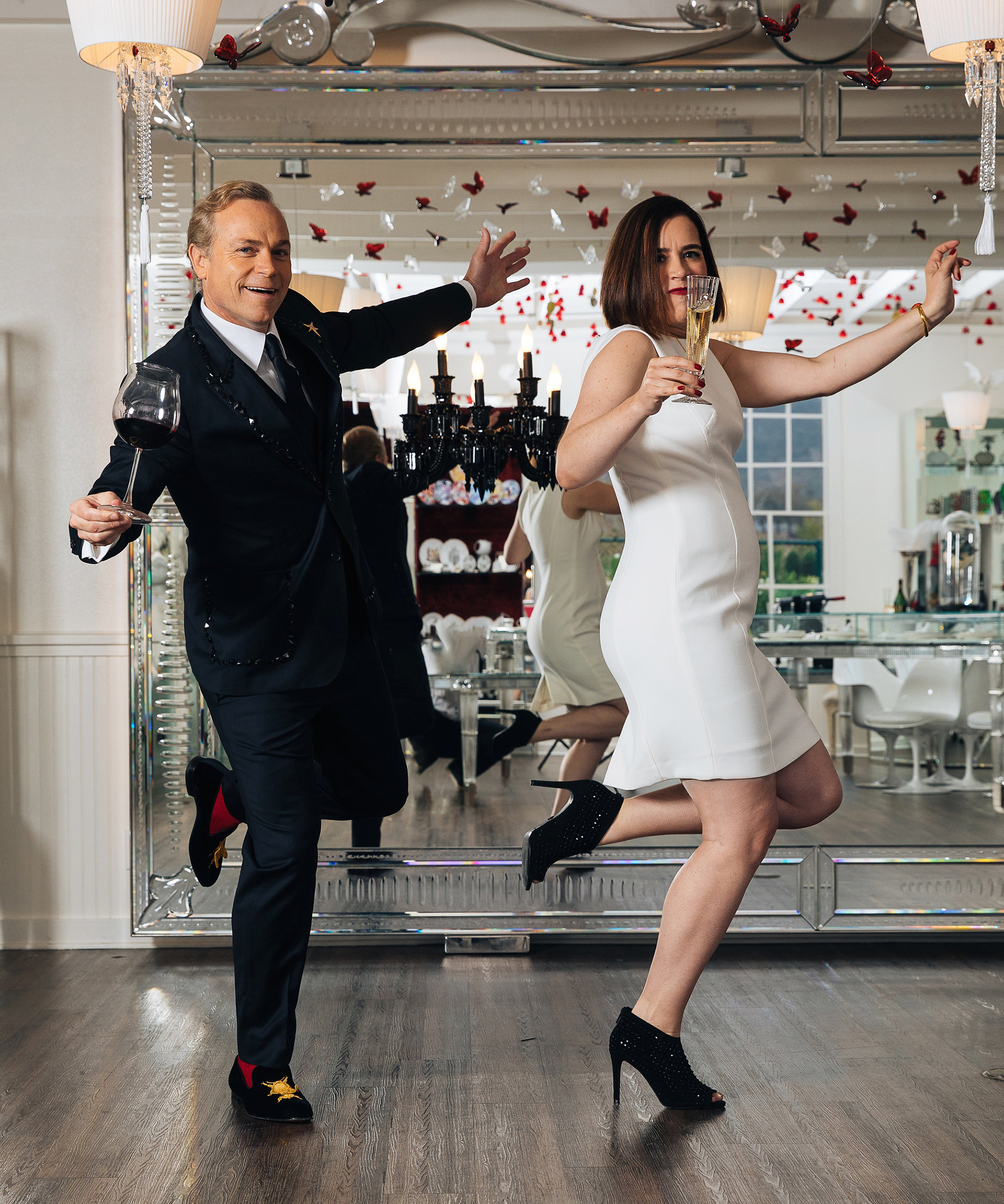
“We have worked successfully together ever since,” Marnie said. In 2018, she came on board full time as Boisset Collection’s director of vinlightenment. Her responsibilities focus on training and supporting Boisset’s nationwide network of Ambassadors who act as wine influencers by organizing wine tastings and earn commission by facilitating eCommerce wine sales.
Marnie not only brought her years of experience to her new position with Boisset but also her boundless energy, a true passion for wine and a fearless determination to disrupt the status quo to educate people about wine. She instinctively understood Jean-Charles’ vision for the Ambassador Program and saw the future of wine sales in America in his project. “I was skeptical of the social selling model at first, but in meeting his Ambassadors, I soon saw the incredible potential,” she said. “It was a hard choice to give up my independence, but I believed in what Boisset was doing and wanted to be involved in pioneering a novel sales channel.”
Jean-Charles’ commitment to connect directly with wine drinkers is rooted in his childhood in France.
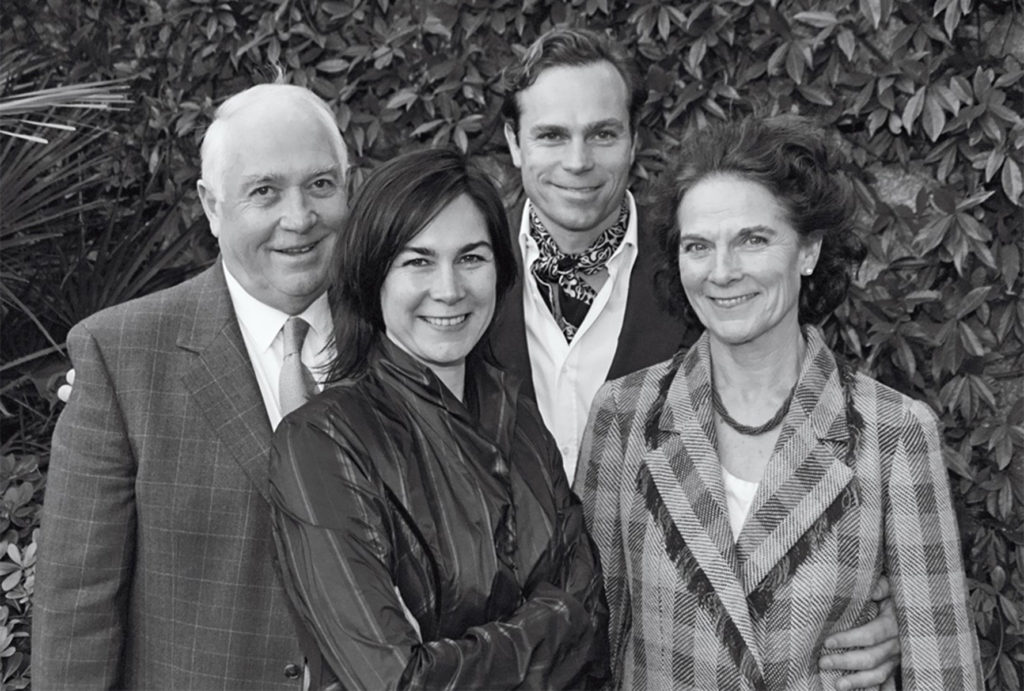
Jean-Claude and Claudine Boisset, his parents, founded their winery in 1961 in Burgundy’s Cote d’Or, making wine in their basement and opening their home to showcase it. It wasn’t a job but a way of life since wine is an integral facet of French culture, an economic and social catalyst that brings people together to celebrate life, from the mundane to the magnificent.
On a visit to northern California when he was an adolescent, Jean-Charles vowed to one day make wine in California. In the 1990s when his parents needed someone to operate their American office in San Francisco, Jean-Charles jumped at the chance to move to the United States. As he acquired wineries and grew the family business into a transnational luxury company, Boisset Collection’s portfolio expanded to include 25 estate wineries in the United States and France. He implemented sustainable and biodynamic farming practices in Boisset’s vineyards years before widespread industry adoption. And throughout his career, Jean-Charles often reflected on the social nature of French wine culture from his wonderful childhood experiences in Burgundy immersed in it. He aimed to bring this heritage to his American business as well.

In 2018, Jean-Charles and Marnie provided wine lovers with another resource to simplify the complex world of wine by co-authoring Passion for Wine: The French Ideal and the American Dream. Building on Marnie’s use of infographics to easily communicate with readers, the book expands discussion of Spectrum of Style within the Boisset Collection portfolio of wineries.
Boisset Collection Ambassador Program
How could he replicate that experience to connect directly with oenophiles in America given 50 different states and a slew of federal, state-by-state, and local regulations governing wine sales? Boisset’s Ambassador program, launched in 2012, was the answer.
Boisset Collection handles fulfillment and provides each Ambassador with an e-Commerce website for an efficient and effective turnkey operation. Ambassadors are extensively supported with online education developed and conducted by Marnie; virtual wine tastings; special events such as one-day virtual winemaking sessions complete with winemaking kits sent to homes; global travel opportunities and unique Boisset Collection wines only available through Ambassadors.
Now with more than 2,000 Ambassadors, the program has steadily grown through grass-roots marketing and strategic partnerships, including a new partnership with the Chaîne des Rôtisseurs and its Baillis, scheduled to be formally launched in January 2024. Commission from wine sales will generate revenue for the Bailliages to help fund the Chaîne’s longstanding focus on supporting young culinarians and sommeliers through scholarships.
“Everywhere around the country the Chaîne is doing good work and I clearly see how our Ambassador Program can further those goals. I can’t wait to introduce Chaîne members and Baillis to all of the facets of the program, which include uncommon wine services such as custom label wines and learning-themed flights that are ideal for Chaîne dinners and events,” Marnie said.
With a bedrock commitment to learning and communicating in ways that help her authentically connect with people who love wine, Marnie’s sixth grade plate tectonics science fair project was prescient as she caused a seismic shift in wine education worldwide. For that, students of all ages studying wine are eternally grateful she replaced brute force memorization with intuitive visual learning. For those building a career ladder in the wine industry, Marnie has made that ladder easier to build. On the wine world’s Richter scale, Marnie’s impact was definitely a 9, an extreme event!
Links
Cuvee Spotlight (2021): Jean-Charles Boisset
Boisset Collection
Boisset Collection Ambassador Program
Court of Master Sommeliers