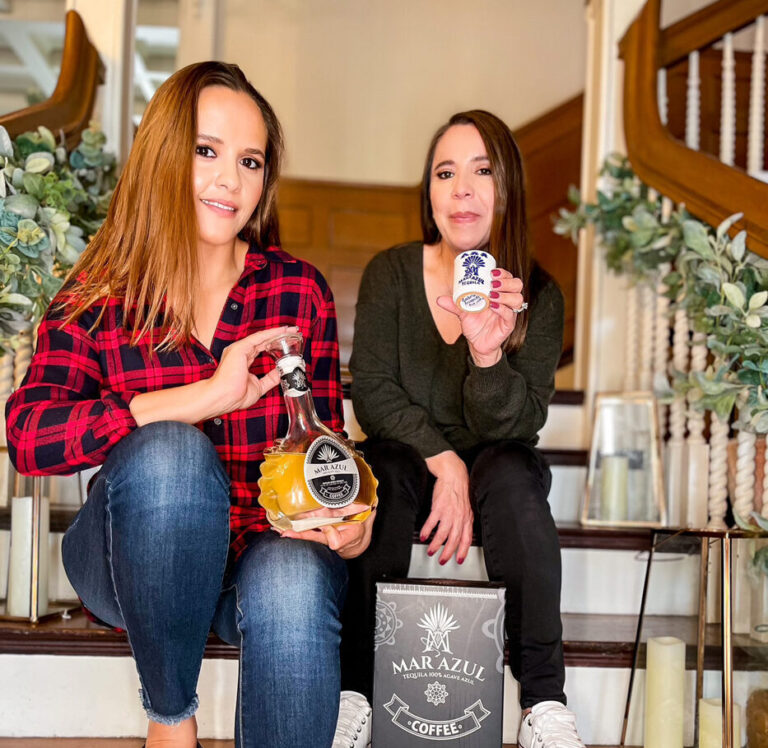
March 3, 2023 – Many years ago Susana Sutton faced a dilemma she was determined to resolve. Growing up in Mexico City, when her family and friends gathered to celebrate birthdays, holidays or simply the joy of being together, she would have one alcoholic drink and be “wasted.” It was an unsustainable situation given her passion for life. Always thinking outside of the box and because her husband loved tequila, she forged a path in two countries to create her own delicious tequila, made of all natural ingredients without added sugar. After years of experiments in her kitchen and a move to San Antonio, in 2011 Susana began selling her Mar Azul Tequila. In 2016, Susie, her daughter, joined her full time in the business. The dynamic duo now produces about 12,000 bottles per year. “With Mar Azul Tequila, there are no headaches, no hangovers, just happiness all day, every day,” Susie A. Pyatt, General Director, Pyatt Enterprises, said to Chaîne, with Susana P. Sutton, CEO, affirming enthusiastically, during a Feb. 7 telephone interview.
Featured image above: Susie A. Pyatt, left, and Susana P. Sutton
Tequila
Tequila is produced from fermenting the large stem of the Weber blue agave plant, a succulent perennial requiring a desert climate. Similar to wine appellations, since the 1980s, only tequila produced from agave plants grown in five states in western Mexico can be labeled tequila. Most tequila is produced in Jalisco. In 2006, UNESCO (United Nations Educational, Scientific and Cultural Organization) declared 34,658 hectares between the foothills of the Tequila Volcano and the deep valley of the Rio Grande River a World Heritage site – the Agave Landscape and Ancient Industrial Facilities of Tequila. Very specific criteria had to be satisfied to earn the prestigious designation.
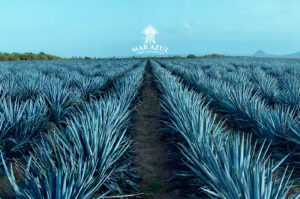
According to UNESCO, tequila has been made in the area since the 16th century and for at least 2,000 years, the plant has been used to make fermented drinks and cloth. From AD 200-900, Teuchitlan cultures created terraces for agriculture, housing, temples, ceremonial mounds and ball courts, vestiges of some that remain today. Because of this historical significance, the agave culture is integral to Mexico’s national identity. In addition, UNESCO states: “The overall landscape of fields, distilleries, haciendas and towns is an outstanding example of a traditional human settlement and land-use which is representative of a specific culture that developed in Tequila.”
Mar Azul Tequila
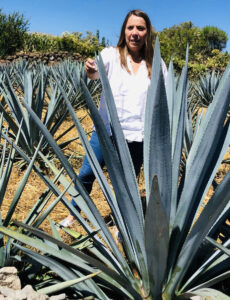
Mar Azul Tequila is a family business from start to finish, one part of the agave culture for which Mexico is known worldwide. Susie and Susana’s family members, living in Puebla and Guadalajara, Mexico, own agave orchards and Susana purchases the balance needed for their yearly production from neighbors, she explained. Once plants are harvested, the agave nectar is fermented, aged in white oak barrels and distilled. The delicious end result of the process that requires aging from six to 18 months – tequila – is bottled in Mexico and then shipped to the United States where it is sold primarily in Texas. Today they offer consumers 11 Mar Azul flavors.
That short summary of her success belies the years leading up to it. While still living in Mexico, she was always thinking about starting a business. Her love of cooking as well as her alcohol dilemma gave her the idea to create an alcohol she could enjoy with her family. And with her husband’s love for tequila, she had a product in mind. She began experimenting at home making tequila with natural extracts for unique flavors. She wanted a tequila that could be poured on the rocks for a simple yet delicious drink. Upon tasting one of her tequila flavors, her uncle, a chemist, told her if she was serious about business, he would help her because her tequila was very good.
Early on she knew she wanted to avoid adding any sugar to her tequila. “Sugar makes me really, really energetic and then one to two hours later, I was sleeping,” she said. Her kitchen was her proving ground as she tested, mixed, adjusted and created flavor after flavor of tequila, always using 100 percent natural ingredients.
Life intervened and a move to San Antonio in 2002 rekindled her entrepreneurial endeavor. She brought her first tequila shipment to the United States in 2010 but it was not without its challenges. Because her product had no added sugar and was 100 percent natural, there was not an existing tax category. It did not fit the definition of a liquor or a spirit. “It was step by step by step. It took forever but finally we had everything in place,” Susana said. Her product was identified as a “distilled specialty spirit” because it was hand-crafted.
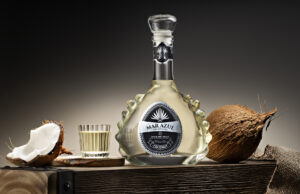
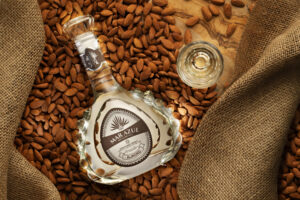
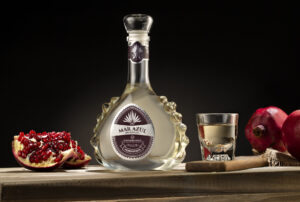
Susana eventually developed 36 flavors but her family advised her to concentrate on just a few. Today they sell 11 flavors including their top five of: Chocolate, Coconut, Banana, Almond, and Pomegranate. Their chocolate tequila took four years to develop but it was a very important flavor to Susana. “I am a chocoholic. I told my uncle we need to have a chocolate tequila,” she said. Her uncle replied, “You always choose the hardest flavors to produce.” The long process was worth it as she said it tastes just like chocolate. “I need to be in love with my product. If I’m not happy with the product, I’m not going to put it on the market.”
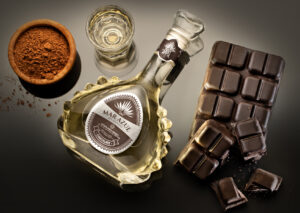
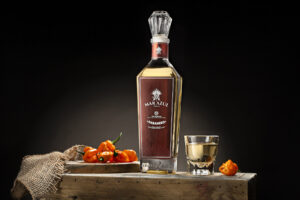
Rounding out their 11 flavors are: Mint, Coffee, Habanaro, Silver, Reposado, and Anejo. Coming full circle, Susana began thinking of ways to incorporate her tequila flavors in recipes. She suggests using their coffee and chocolate tequila to make a scrumptious Tiramisu. That definitely sounds like a winner! And Susie likes to add their Habanero Tequila to her guacamole recipe, another winner of an idea.
When Susie joined her mom in 2016, they agreed on a one-year trial to see if they could work together. “It was a challenge for me,” Susie said. “I’m a lawyer.”
She immediately recommended changes to increase brand awareness since Susana had perfected the product. Mom and daughter are as different as night and day but merged their strengths to make a most effective and efficient day. “I’m very crazy. She has her feet on the ground,” Susana said. “Instead of the young being crazy, I’m the crazy one.”
Susie had all of the labels redesigned and with younger generations excited about cocktails, they began experimenting with cocktail recipes. To expand brand awareness they conduct tastings at restaurants, wine and liquor stores, and other events, such as corporate parties where they demonstrate how Mar Azul flavors can be used in cocktails. They are busy most weekends at tastings in and near San Antonio. Stores and hotels throughout Texas carry their Tequila and a few other states are able to carry their product, including Montana, Wyoming, Idaho and Ohio.
“I joined to complete my mom’s dream and now Mar Azul is part of my life. It is something I live with, I breathe and I live every day thinking about what else we can do so people can try and know what it is – Mar Azul. It’s made with love,” Susie said. On Sunday, Susie likes to relax with a cup of coffee taken up a notch with their almond tequila. “It makes your morning very happy.”
Speaking about her mother, Susie said, “We have different tastes and different personalities but we listen to each other. We love each other.”
Susana learned from Susie that the product is only one-half of the formula for success. “It’s not good enough to have a great product. You have to learn how to promote it. Susie looked at everything and gave identity to each product,” Susana said.
The industry has recognized Mar Azul’s devotion to product perfection with a plethora of awards over many years. Most recently in 2022, Mar Azul Reposado won the Best Reposado Tequila Gold Medal The Fifty Best. And for those looking for a spicy tequila, the Mar Azul Habanero flavor was awarded the 2021 Gold Medal Spirits Award. In 2020, both Mar Azul Coffee and Mar Azul Banana won the Silver Medal World Spirits Award. In 2018, Mar Azul Anejo won the World Spirits Award Gold Medal.
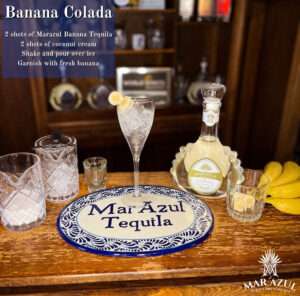
The awards are not surprising given the time and energy the company has devoted to maintaining its high standards. Susana has the same passion for her product today as she did years ago when she began experimenting in her kitchen in Mexico City. “You go to some restaurants and they cook with soul. That’s how I see my product. Mar Azul is my soul,” she said. “It’s not just about selling the product and making money. I want something that people start drinking and always love. And the quality of the product never changes. I think quality should be Number One.”
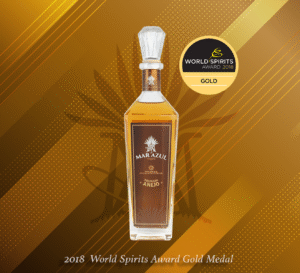
With a long resume of awards, tequila afficionados recognize the Mar Azul logo, a logo that honors tequila’s ancient history.
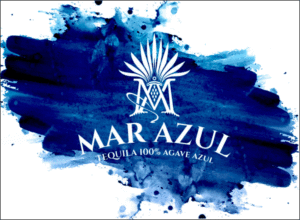
The lizard is the animal that predominates in agave plantations and is depicted sitting on her throne as she keeps a careful eye on agave plants. The lizard winds around the letters M and A. The crown above honors the Aztecs and their ancient agave culture. A fine detail at the bottom of the letters represents the indigenous women who were active gears in their community.
Two women of two generations are carrying on this legacy of women from generations who came before them. As a force of nature, it’s fortunate that opposites attract.
“We are an eclectic duo. We are the perfect team,” Susie said.
Links
Mar Azul Tequila
Mar Azul Tequila Cocktail recipes
UNESCO World Heritage Site