
Sept. 6, 2024 – Rewind history to the dawn of the 19th century and stop there. Imagine the lively discussions emanating from coffeehouses in Izmir, Türkiye, a city on the Aegean Sea that was one terminus of the Silk Road centuries before, and in London, England, the seat of the British government that recently lost their American colonies when colonists rebelled against taxes, including import taxes on tea. In 1803, the new American government sent Meriwether Lewis and William Clark on an westward expedition to explore a water route to the Pacific Ocean for commerce. The coffeehouse buzz in London, Izmir and Istanbul surely included anticipation of new trade opportunities with the nascent nation thousands of miles away across the Atlantic Ocean.

In western Türkiye, farmers have been growing olives and edible plants for thousands of years. As the capital of the Aegean Province, Izmir, located in the far west of Türkiye, was, and remains to this day, a center of the global spice trade. Pepper, cinnamon and cloves fueled the industry historically. Today Türkiye is the world’s largest producer of Oregano and bay leaves (Laurel).
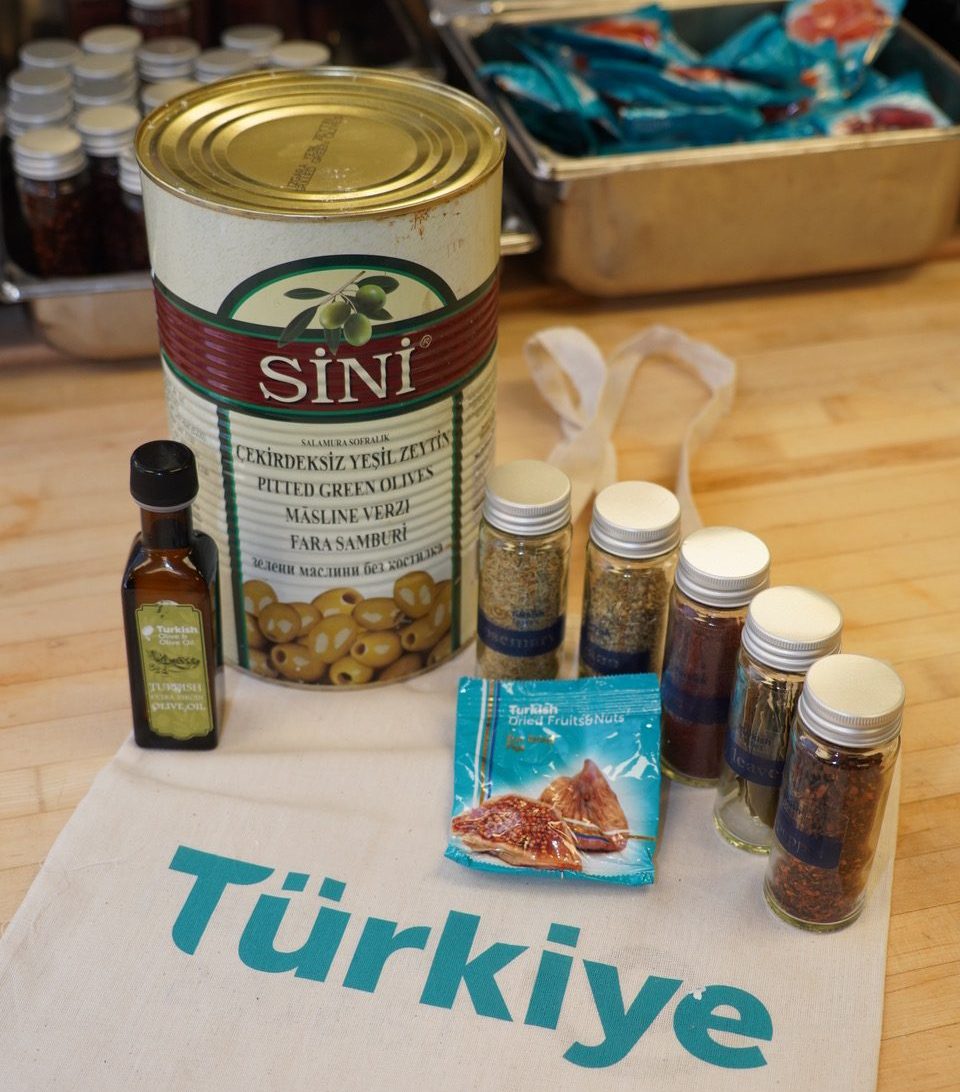
This economic juggernaut is as important to the country in the 21st century as it was more than 200 years ago. But those products only scratch the surface of Türkiye’s agricultural might. After studying the American culinary industry, in 2019, the Aegean Exporters’ Assembly launched Turkish Tastes, a public-private sector partnership, with a mission to educate both industry professionals and consumers about the rich history and diversity of Turkish food products that form the foundation of every global cuisine. “Many people when they think of Turkish food, they think of camels and kebabs. There’s a lot more to it than that,” Maître Rôtisseur Kazim Gürel, Turkish Tastes Ambassador, said to Chaîne during a July 24, 2024 interview via Zoom.
Türkiye
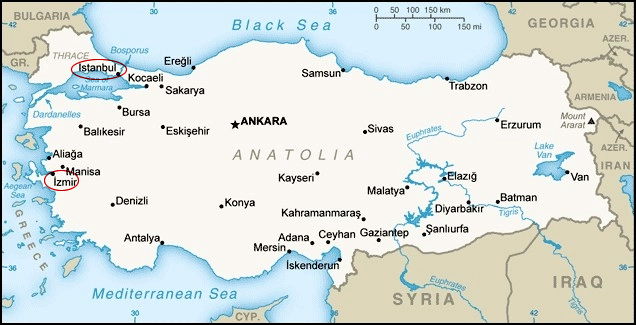
A little larger in size than the state of Texas, Türkiye is located on two continents with much of its land in western Asia and a small percentage in southeastern Europe. Istanbul, Türkiye’s largest city, has land on both continents. The country’s unique geography provides a natural bridge for trade, commerce and agriculture between the two continents and the rest of the world. Abundant water resources, access to the Mediterranean Sea, the Aegean Sea and the Black Sea, fertile soil, and a temperate climate across seven geographic regions converge to set ideal conditions to grow olives, grapes, cherries, apricots, almonds, figs, hazelnuts, many other fruits and vegetables, and plants for spices. Olives have been grown and olive oil pressed from olives in Türkiye for thousands of years. Every Turkish meal includes olives in some form.
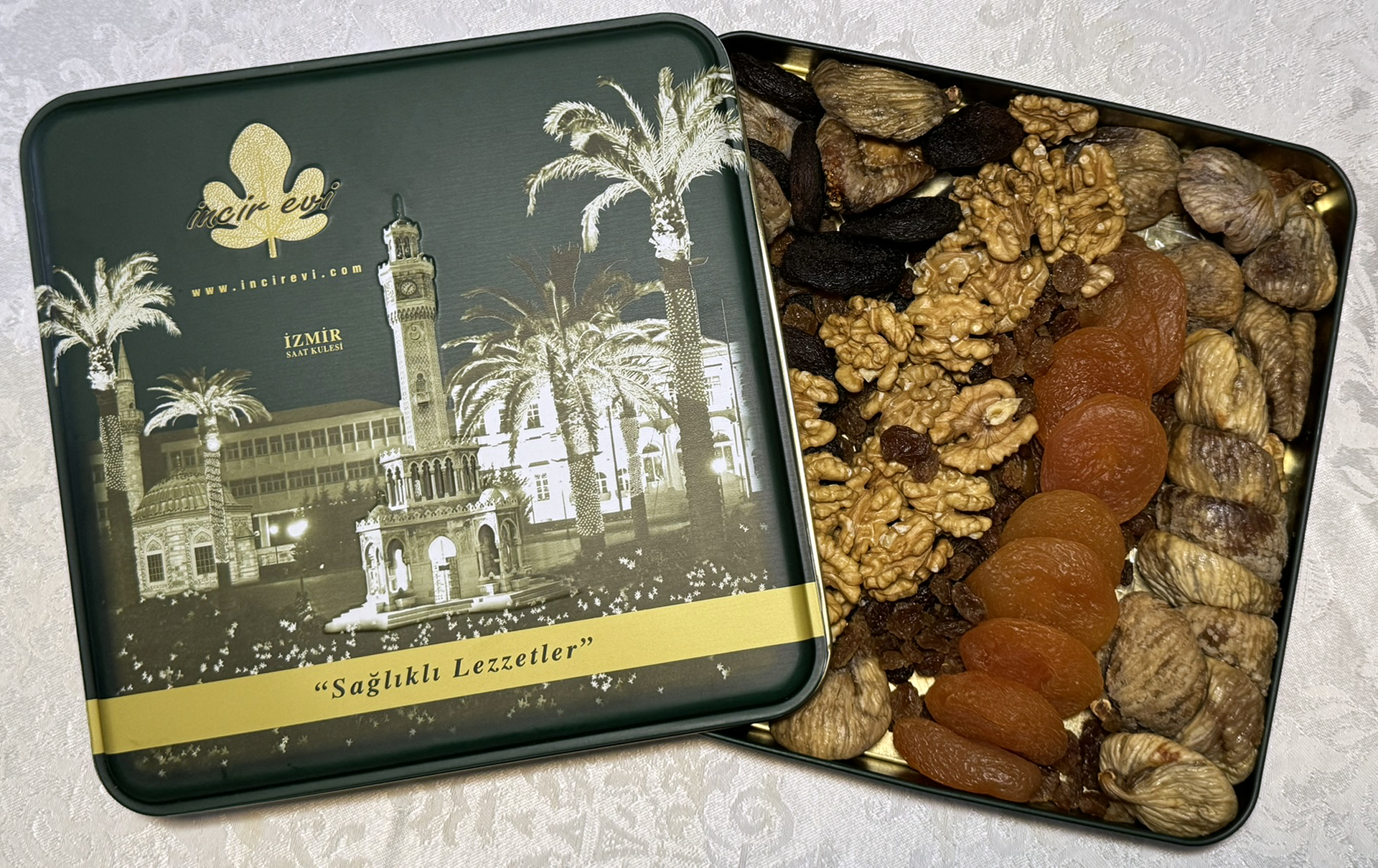
Many fruits and nuts favored by millions of Americans can trace their origin to Türkiye. Kazim explained that the Thompson seedless grape grown on thousands of acres in California today is a Turkish West Coast indigenous grape cultivar. Cherries and almonds originated in Türkiye and thankfully, found their way to farms and orchards in California and other states. Apricots and figs also originated in Türkiye. “We are by far the largest producer of figs, apricots and hazelnuts,” Kazim said. California and Türkiye share a similar climate with mild, wet winters and warm, dry summers, ideal conditions for growing bountiful fruits and vegetables.
Turkish Tastes Ambassador
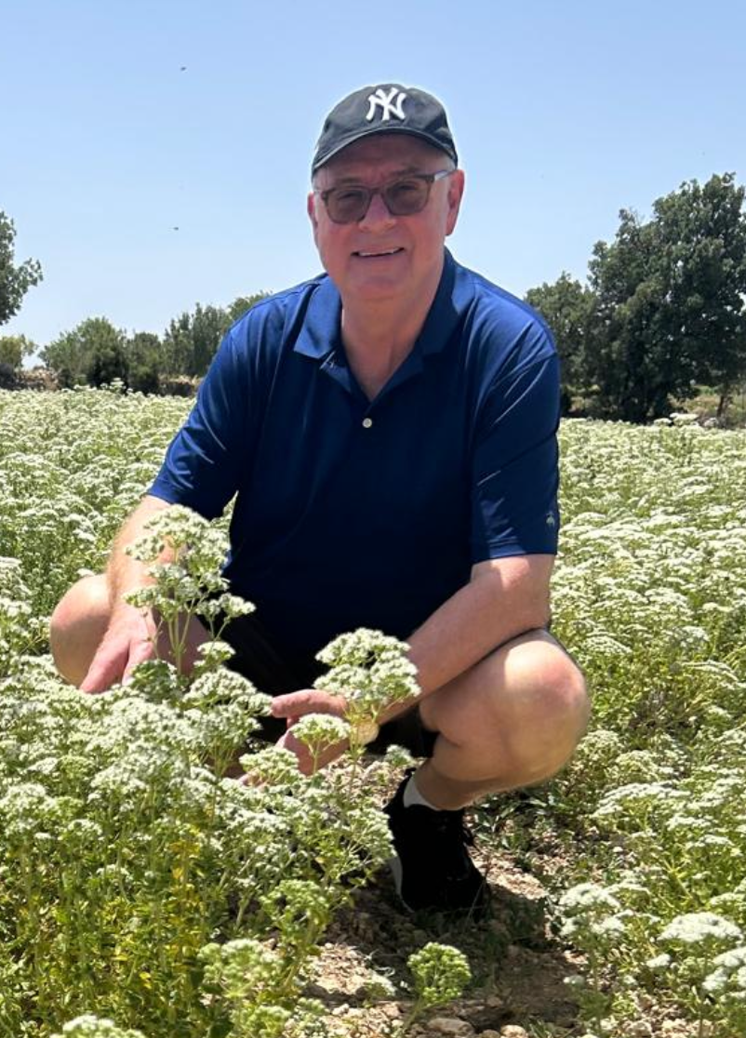
Kazim began his role as the Turkish Tastes Ambassador on a Wednesday afternoon in 2021 as the COVID pandemic was coming to an end. Taking a call in his Izmir office, Kazim was asked to speak at an upcoming meeting at the University of Nevada Las Vegas (UNLV) William F. Harrah College of Hospitality, a Turkish Tastes partner. He soon realized the request was to speak that Friday. “Are you nuts? That’s two days time,” Kazim said followed by an immediate commitment to be there. After quickly arranging a few other meetings, he was off to Los Angeles and Las Vegas, about 6,700 miles from Izmir. “It was fun. We met Dean Shoemaker who was very receptive.”
Kazim was surprised to learn that more money is spent on food and entertainment in Las Vegas than on gambling. “Well, that’s an interesting way to start,” he said.
The Turkish Tastes program with UNLV began a year earlier. “The whole program was basically to create awareness in the United States that for example, Türkiye is a very large producer of Sea Bass. We produce over $1.5 billion of Sea Bass. People don’t know that in America,” he added.
Through the Turkish Tastes collaboration, UNLV students take a course on Turkish cuisine, culture and history, which are inextricably linked to understand the irrevocable bonds Turkish farmers today have with their ancestors and the integral role Turkish agriculture has had for thousands of years in Turkish society. Small family farms still dominate the industry.
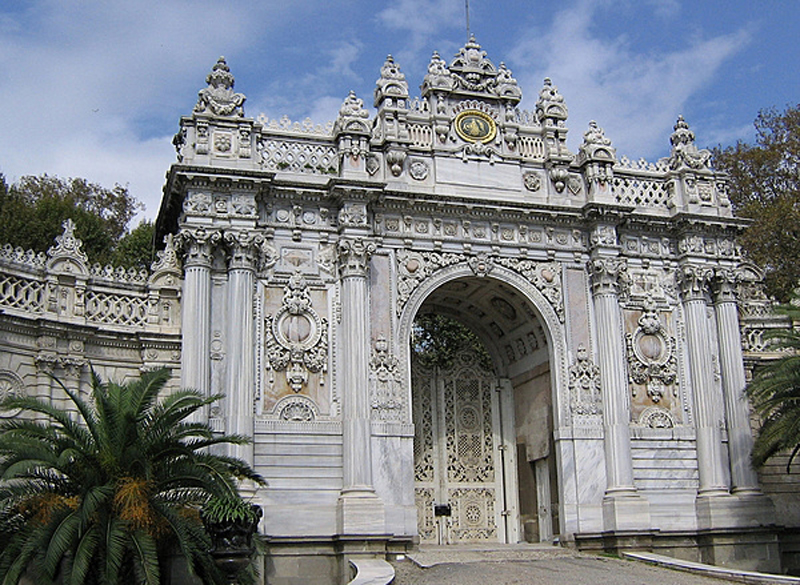
Kazim explained the vast Ottoman Empire that governed Türkiye for hundreds of years extended from Vienna to Türkiye to eastern Europe, the Middle East, up to the border with India, and into North Africa. “So we have amazing interactions between those countries and Türkiye. Türkiye not only gave from our culture and cuisine but we took from their culture and cuisine. Hence, Türkiye has become a very, very important center and one of the three world cuisines, apart from China and France. A lot of the cultures you would know in Southern Europe, Greece, Lebanon, the Middle East actually have a lot of their roots in the original Turkish/Ottoman cuisine,” he said.
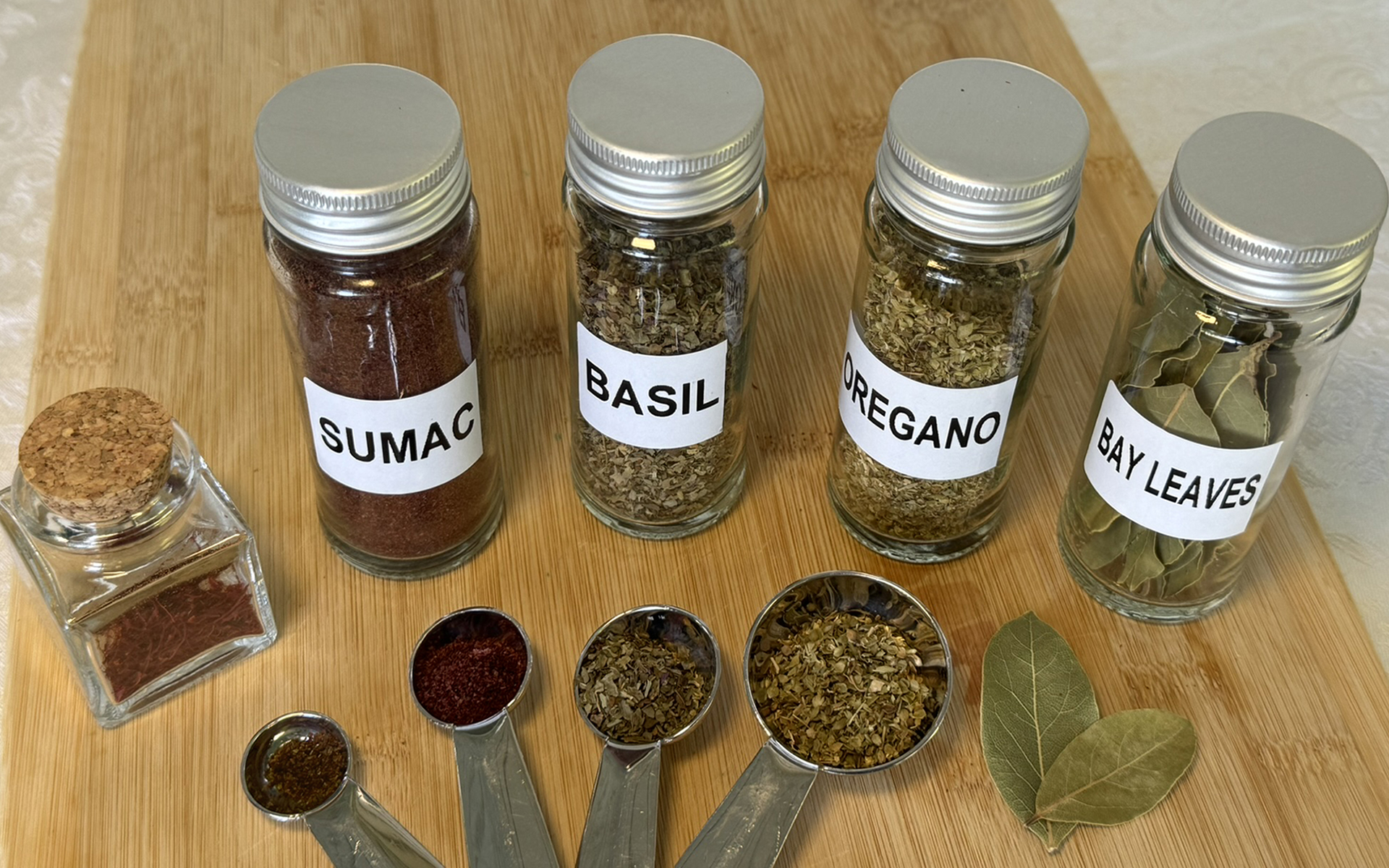
That cuisine is known worldwide today as the Mediterranean diet, a healthy, delicious range of dishes prepared primarily with olive oil, spices such as Oregano, Laurel (bay leaves), and meat, fish, fruits and vegetables. For a splash of indulgence, classic Turkish meals end with a milk-based dessert or the iconic baklava pastry.
Turkish Tastes divides their educational efforts to raise awareness of Turkish cuisine beyond kebabs into six general categories. Those are:
-
- Seafood and Animal Products
- Cereals, Pulses and Oil Seeds
- Herbs and Spices
- Fresh and Processed Fruits and Vegetables
- Olives and Olive Oil
- Dried Fruits and Nuts
Outreach to High School Culinary Students Through ProStart
In addition to support at the college level, Turkish Tastes is a partner with the Nevada Restaurant Association, which sponsors the state’s ProStart program for high school culinary students. Kazim visits classes, always beginning by telling students he is from Turkey and asking if anyone knows where it is. “There is absolute silence,” he said. After finding Türkiye on a map, he shows them different types of apricots from a dark organic variety to the iconic yellow/orange fruit. Stories from history engage students. One of Kazim’s favorite tales he tells students is the story of a Turkish dish called, The Empress Loved It.
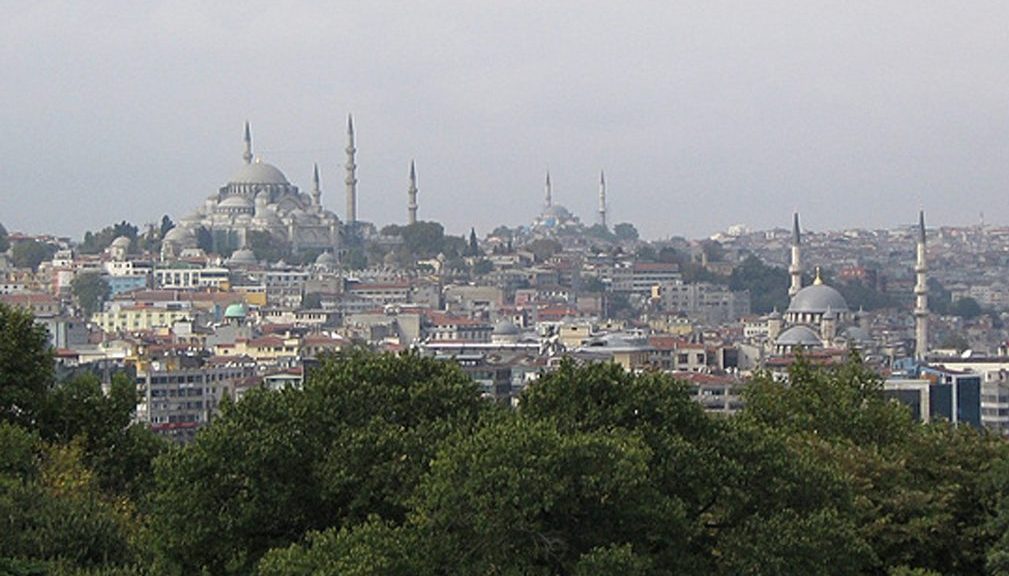
In the mid 1800s, the Ottoman sultan Abdulaziz visited Napoleon III and his wife, Eugenie, in Paris. The sultan reciprocated by inviting the couple to be his guests in Istanbul. When the Suez Canal opened in 1869, Eugenie represented the French government at the ceremony and then traveled to Istanbul to visit the sultan. To honor her visit, the sultan’s chef and Eugenie’s personal chef collaborated on a dish fusing their specialties of roasted eggplant with a French béchamel sauce for the base and then topping it with meat. The meal was such a success, the dish to this day is called, The Empress Loved It. “The kids love that story,” Kazim said.
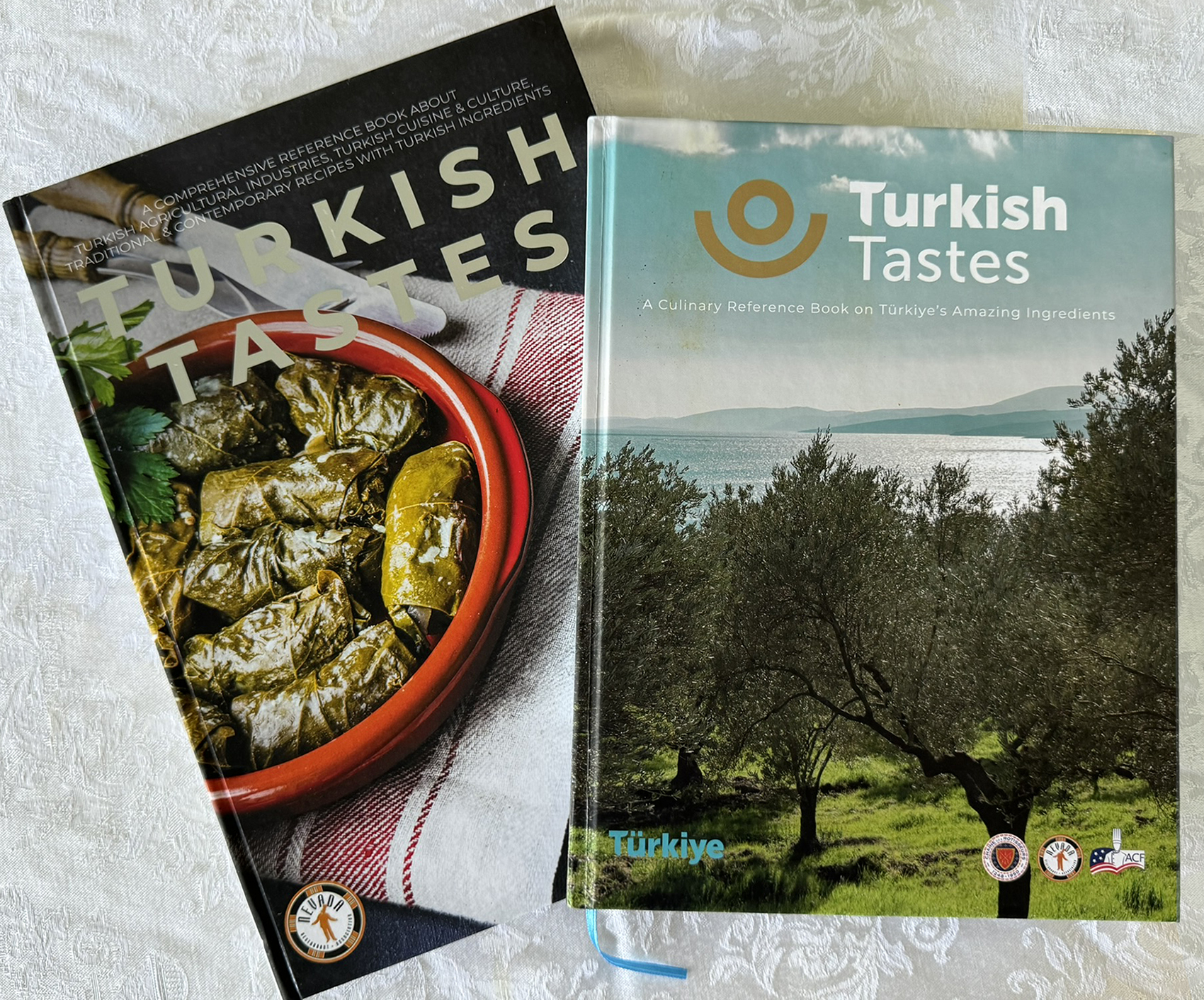
After seeing students excited to learn about Turkish cuisine and culture, Kazim developed many other outreach programs for industry professionals and consumers in the United States. Turkish Tastes has produced two informational cookbooks to help professional chefs and home cooks explore and taste Turkish cuisine.
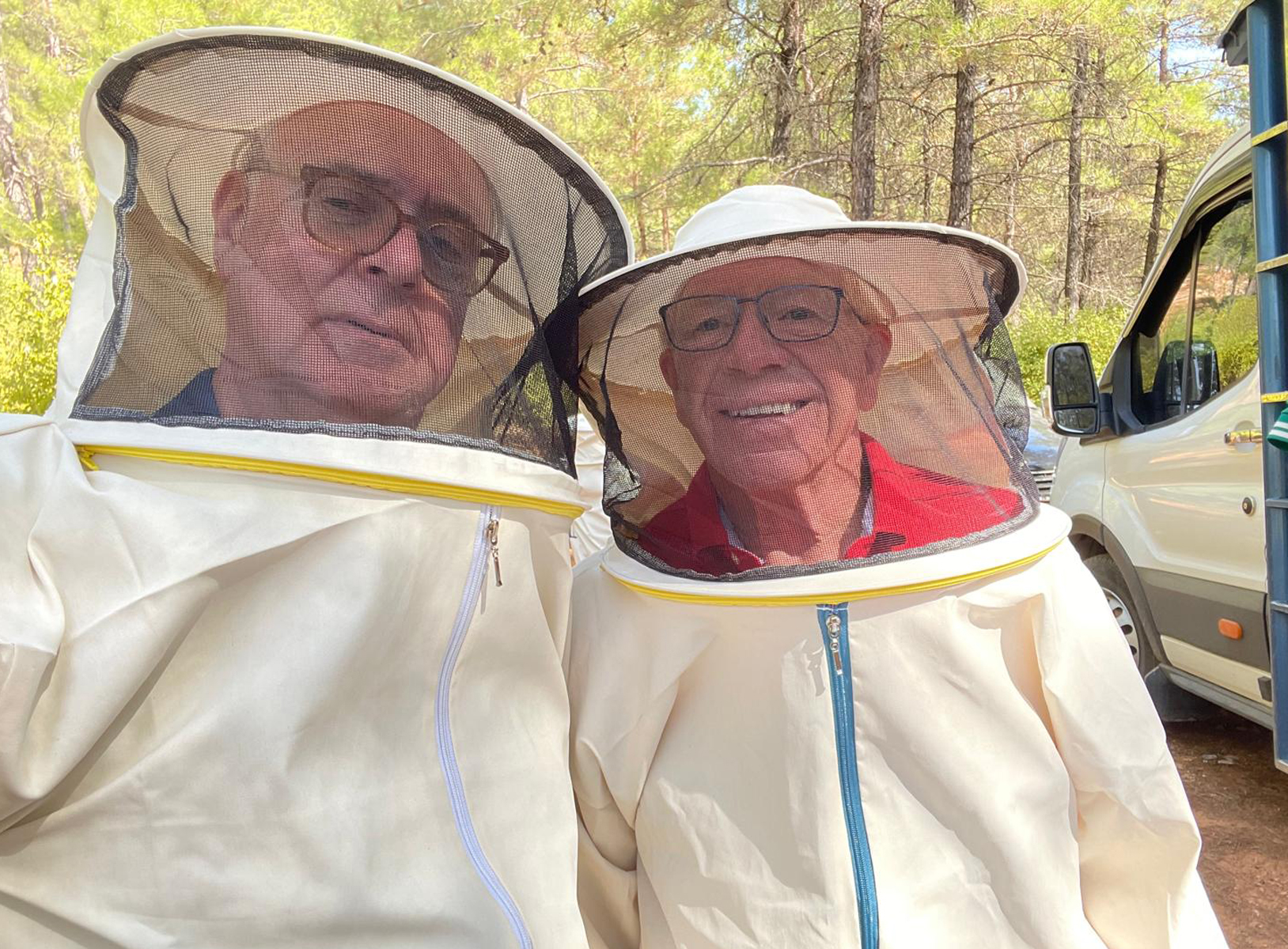
Kazim also invited three well known American chefs to each spend one week with him in Türkiye where he traveled with them to highlight a myriad of farms and factories growing, producing and exporting Turkish food products. “They were all blown away and now they’ve become Ambassadors of our food in the United States,” Kazim said.
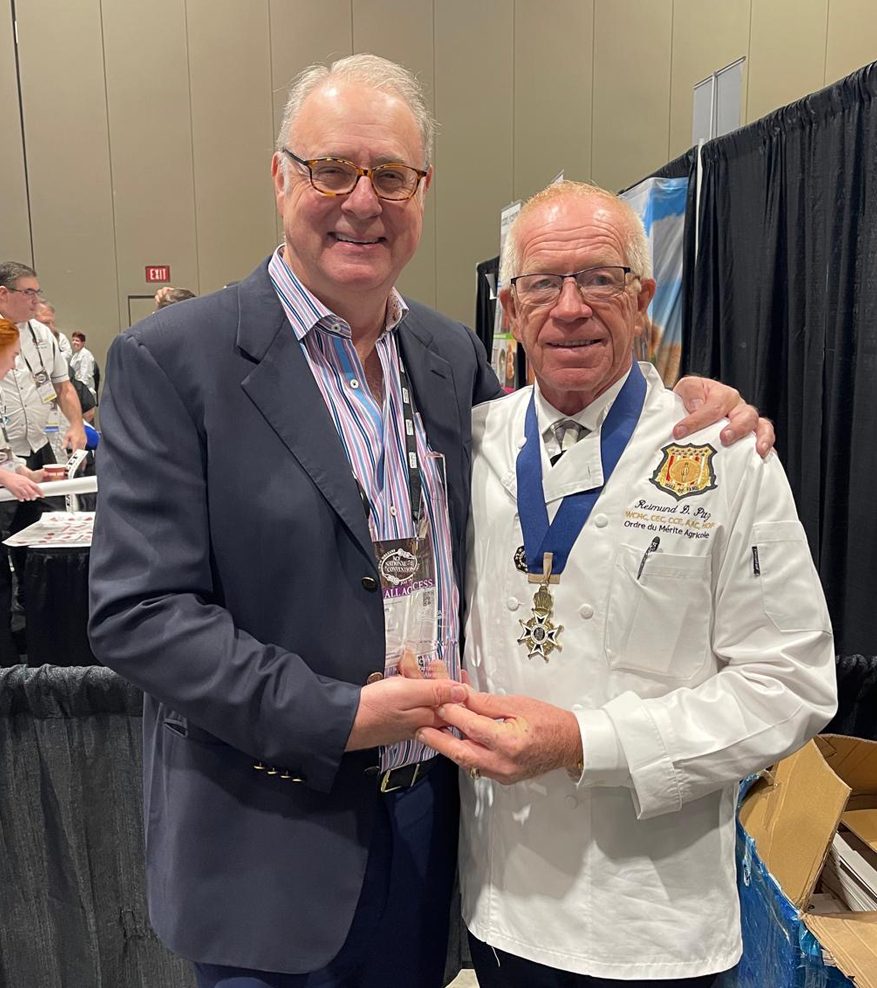
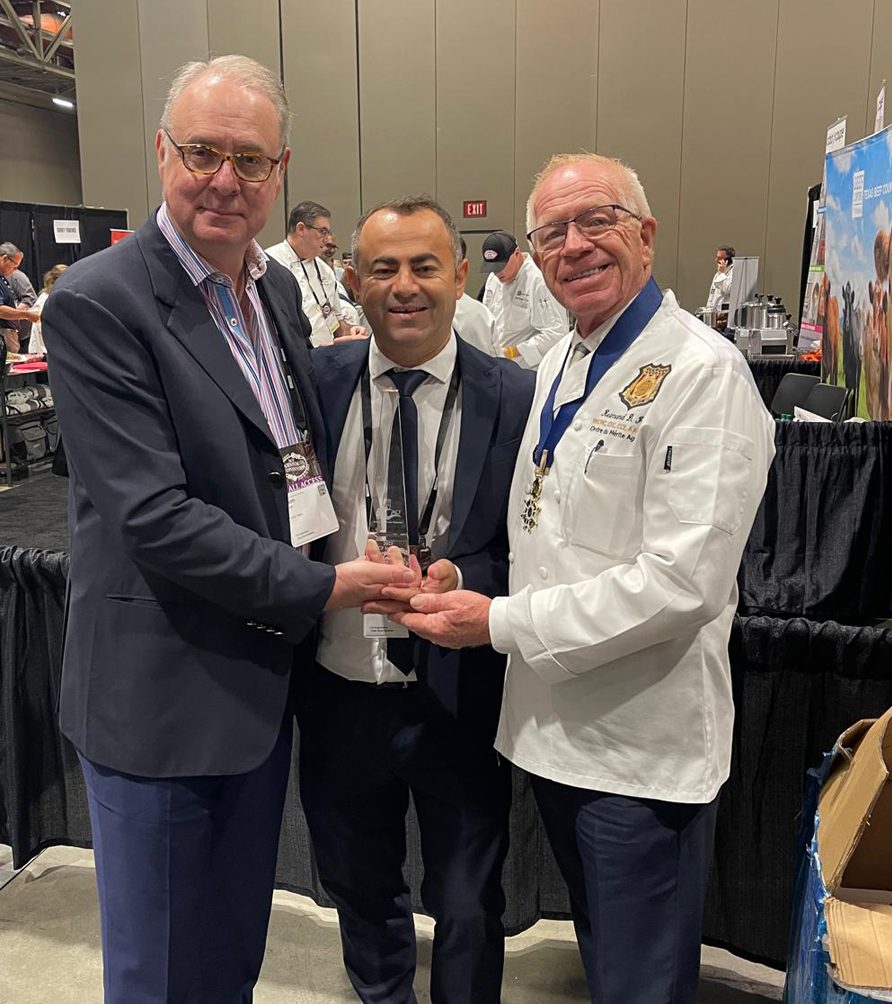
Chef Reimund Pitz, CEC, CCE, AAC, WCMC, Conseiller Culinaire des États-Unis, was one of the three chefs Kazim invited to Türkiye.
About his visit and collaboration with Turkish Tastes, Chef Pitz said:
“It’s an absolute pleasure to come here and visit manufacturers from all industries of Turkish Tastes from poultry to herbs and spices to olive and olive oil to dried fruits and all others. We shouldn’t say that we are going to introduce Turkish products to the world market. Rather, we should say that we are going to ‘reintroduce’ to the world market. Now I have the privilege to serve as a Turkish Tastes’ International Ambassador. I am still in the process of sampling all of the great products I received while on my journey in Türkiye. We always think we have tasted the best, but I can honestly say the products I have received so far from Türkiye are absolutely incredible.” (Turkish Tastes, A Culinary Reference Book on Türkiye’s Amazing Ingredients, p. 20)
Turkish Tastes is one of two primary sponsors of Chaîne’s Jeunes Chefs Rôtisseurs annual competition, a program to which Chef Pitz has devoted many years to ensure its success.

One month ago, Kazim highlighted the chefs’ experiences in Türkiye at a dinner he hosted for 200 people, including 30 to 40 United Nations (UN) Ambassadors, at the Turkish House, part of the UN complex in New York City. The menu was a fusion of American and Turkish food inspired by two chefs who visited Turkiye – Chef Thomas J. Macrina, WCMC, CEC, CCA, AAC, DFS, and Chef Reimund Pitz. Dinner courses were named after places they visited in Türkiye. With the East River behind him and a big screen showing a video of the chefs’ time in Türkiye, Kazim said the event was amazing. “That was a lot of fun.”
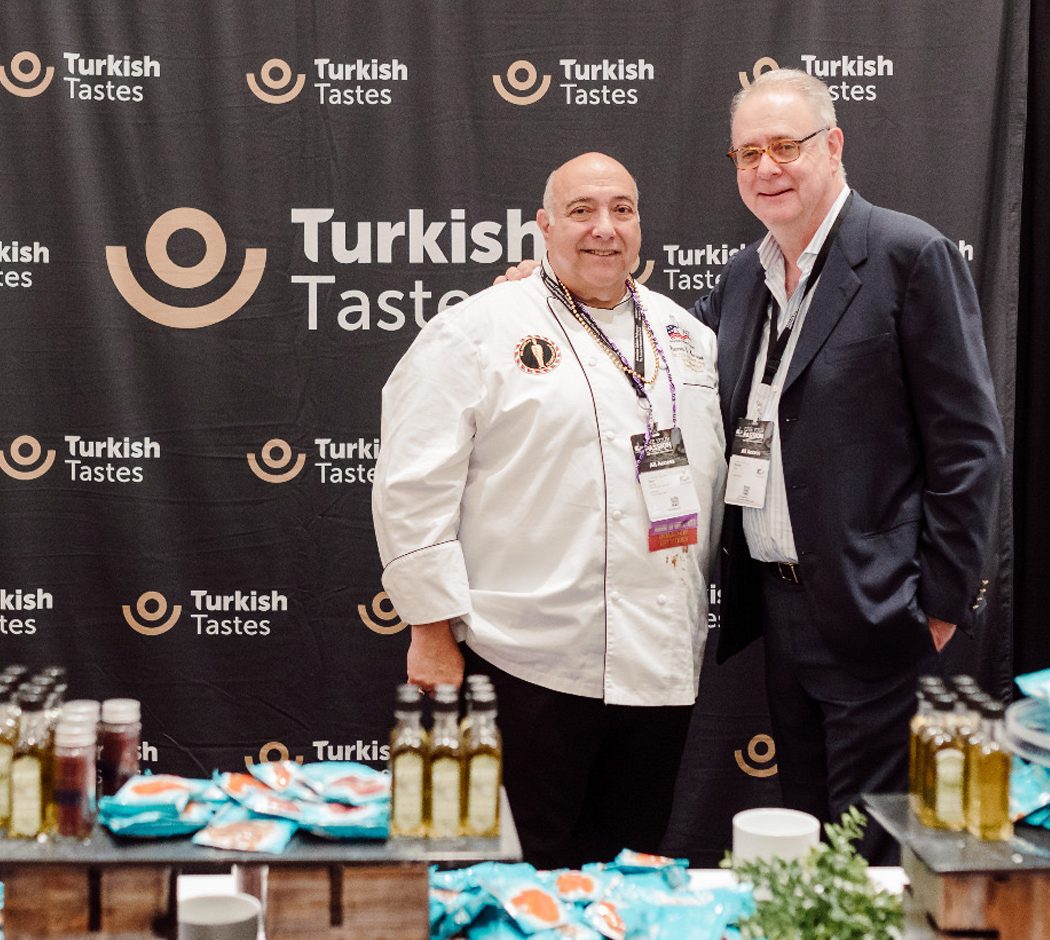
For the past three years, Turkish Tastes has been a sponsor of the American Culinary Federation (ACF).
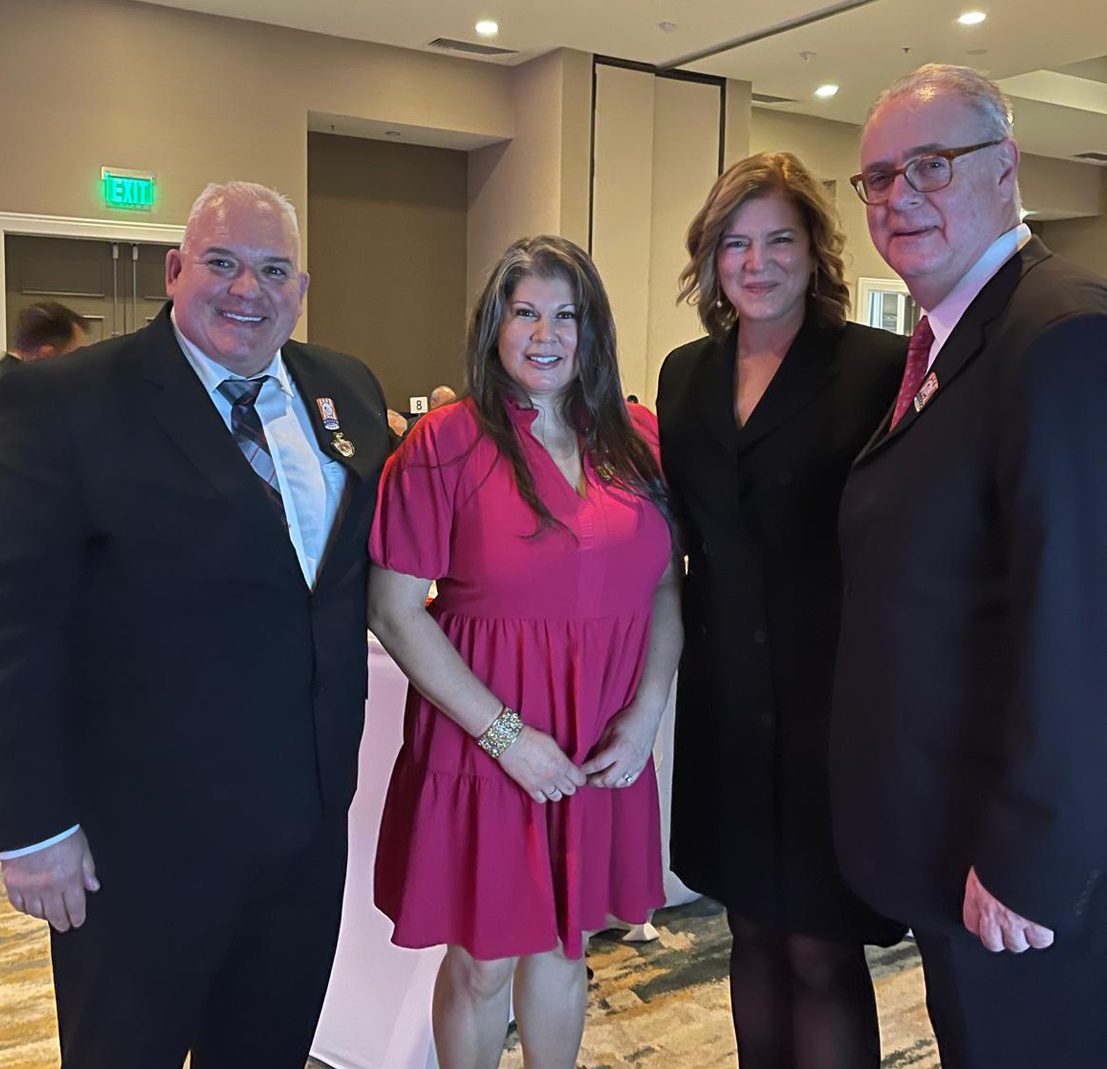
“I am delighted to extend my heartfelt appreciation for the invaluable partnership we have forged with Turkish Tastes. Our collaboration has not only enriched the culinary landscape but has also exemplified the spirit of international cooperation with the gastronomic community,” Chef Rene Marquis, CEC, CCE, CCA, AAC, ACE, National ACF President, and Chaîne member,” said. (Turkish Tastes, A Culinary Reference Book on Türkiye’s Amazing Ingredients, p. 18)
Consumers
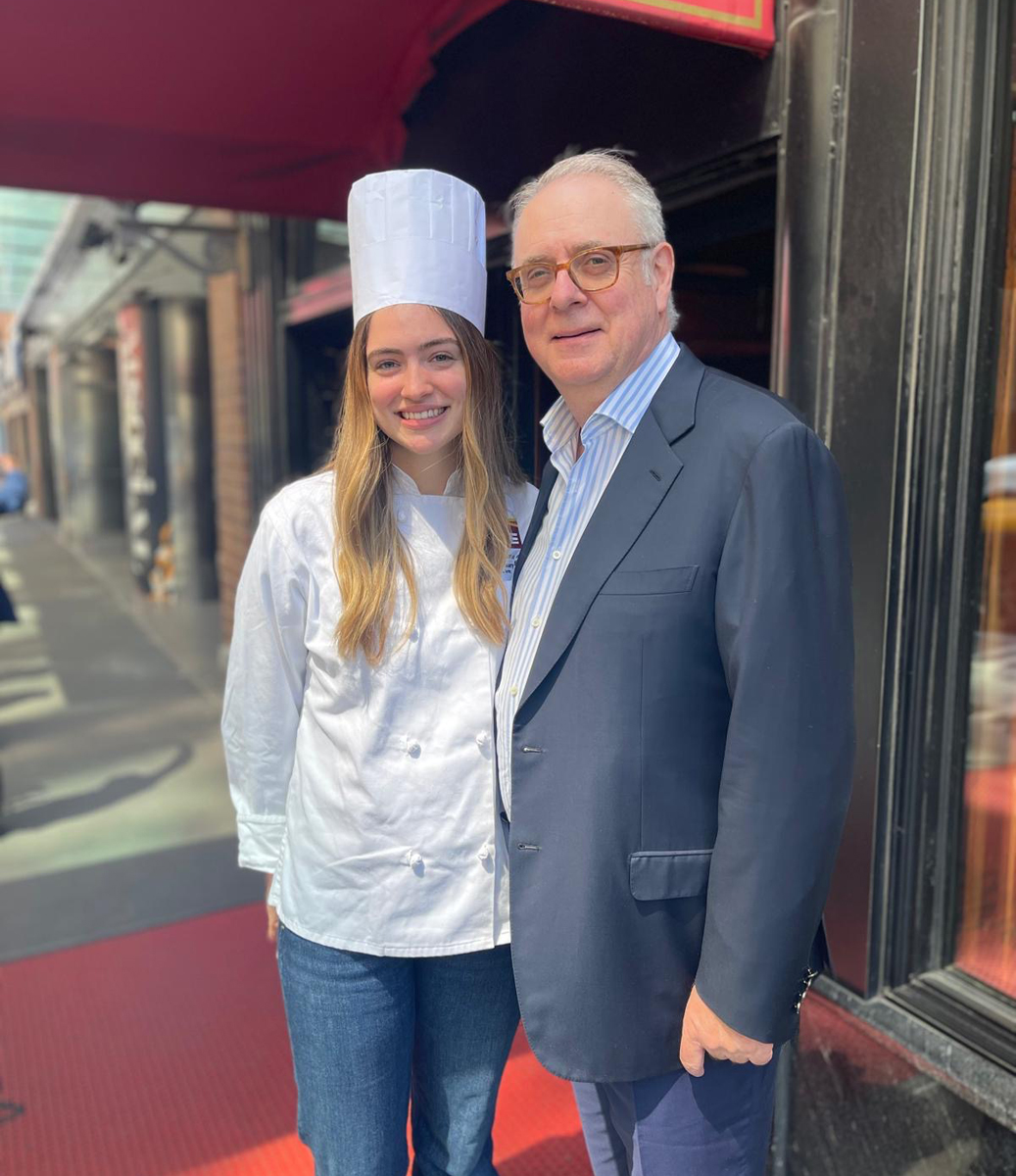
In parallel to their outreach to industry professionals, Turkish Tastes is reaching out to consumers through their work with a small number of independent restaurants on the East Coast, West Coast and Upper Midwest. For one to two months, restaurants will offer a separate Turkish Tastes menu to complement their main menu. That program is rolling out now and into 2025.
For the home cook, it’s educating them about the universality of Turkish ingredients and food. “We don’t care what cuisine you make, you can actually use Turkish food and Turkish ingredients to make any cuisine you want,” Kazim said.
To emphasize this point, Turkish Tastes invited four chefs to each create a course from a different country for a dinner Kazim hosted at Türkiye’s Consul General’s residence in Beverly Hills. “Every ingredient used to make all four courses and different cuisines came from Türkiye, which was amazing to the audience,” he said.
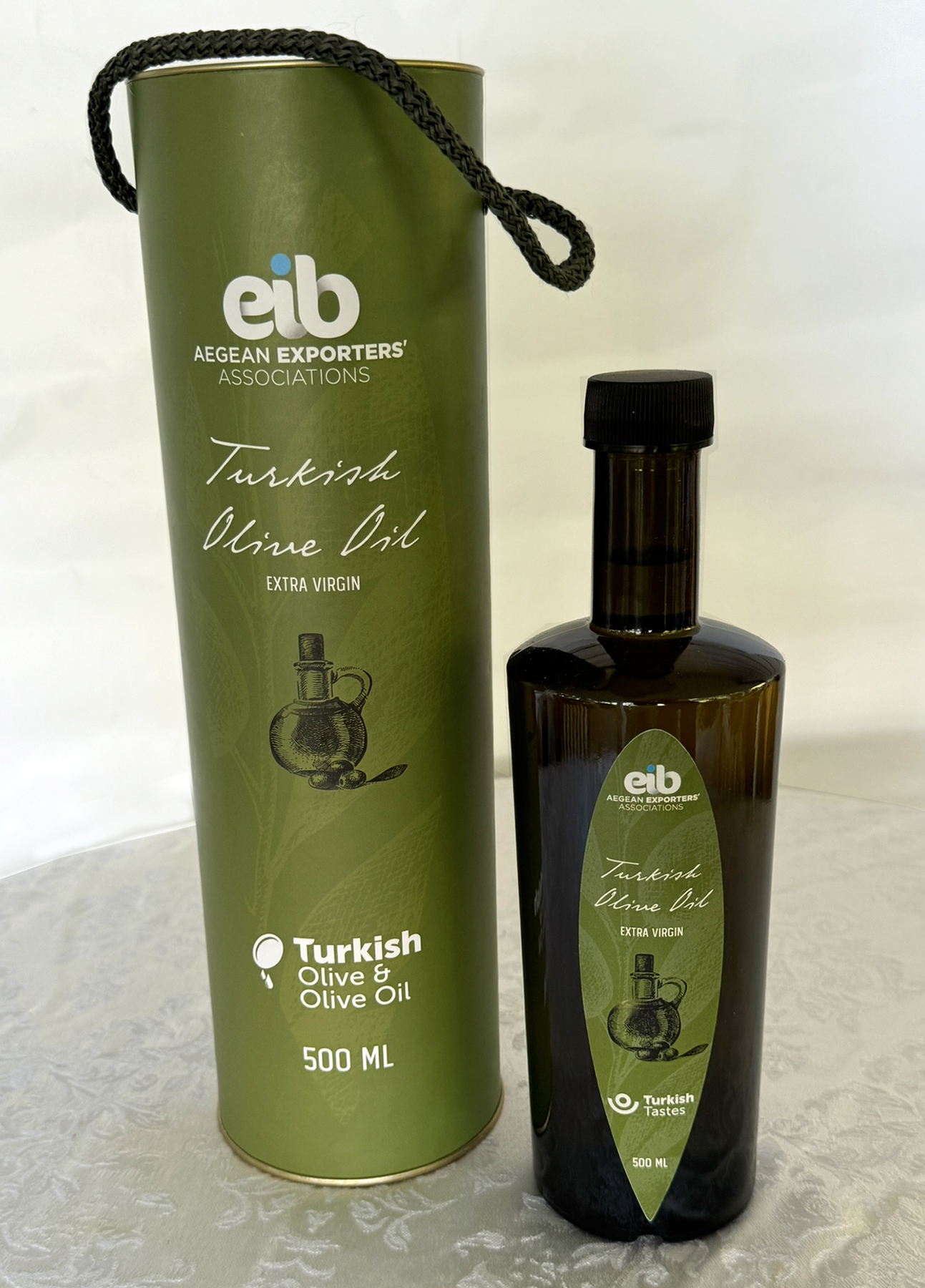
As Turkish Tastes begins commercializing Turkish products to American consumers, it will focus on olive oil and dried fruits and then move on to fish and other categories. Türkiye is the second largest producer of olive oil in the world and currently, many private label olive oil is bottled using Turkish olive oil, Kazim said.
Recently, Kazim’s father, who is 92 years old, asked him about his work with Turkish Tastes, wondering what it was he was doing and if he was getting paid. After filling him in on his global travels, he said, “No Dad, they don’t pay me,” to which his Dad then asked if it was a charity. “No Dad, it’s not a charity.” As all parents do, his father worried he had too much on his plate. “Well Dad, it’s good to give back,” Kazim answered.
Family, Gürel Group and Kütas Group
Kazim, 59, was born in Türkiye to a family of tobacco merchants, now in their fifth generation operating that business. “When it’s a multi-generational business, you don’t give it up just because it’s not politically correct,” Kazim said. According to a 2020 estimate published in the CIA World Factbook, about 31 percent of Türkiye’s total population (84 million) use tobacco products so a robust market for tobacco remains in Türkiye and in countries around the world.

When Kazim was eight years old, he went to boarding school in England and then to a private prep school. Private schools in England are called public schools. “I’m a public schoolboy,” he said. The prep school he attended is steeped in British tradition, noted by Guilds opening schools. His school was founded by the Master of the Company of Grocers of London, a Guild established to maintain the purity of spices and set weights and measures, according to the British Museum. King Henry VI conferred a Royal Charter to the Guild in 1428.
One could say it was destiny for Kazim to pursue the career he did.
After completing his university education, he enrolled in an International MBA program that started in Switzerland at the University of Geneva. From there, he completed an internship in London at a bank and an insurance company followed by courses in the United States at Stanford and Berkeley. To gain experience in Asia, the final phase of the program took place in Japan and Hong Kong. Back in Geneva, he presented his thesis and graduated.
He decided to return to Türkiye to work in the family business. About one year later, his uncle launched a new business growing and selling bay leaves. He asked Kazim if he was interested in joining him. “I started working in that company with three to four people. Now we have 1,500 people and 14 different businesses,” Kazim said. That company is The Kütas Group, the food division of the family’s Gürel Group, the umbrella family company that includes its tobacco business as well as endeavors in automotive, finance, real estate and other investments.
With a motto of “Pure Integrity – From Field to Fork,” Kütas provides 50 percent of worldwide demand for pure Oregano; produces 16 varieties of organic spices; and processes 20 varieties of conventional spices. Impressively, 65 ovens are used to dry its Laurel, the world’s largest and most sustainable Laurel leaves drying operation, according to the company brochure. The leaves are also steam sterilized, as are many other spices the company processes, to ensure clean and ready-to-eat products.
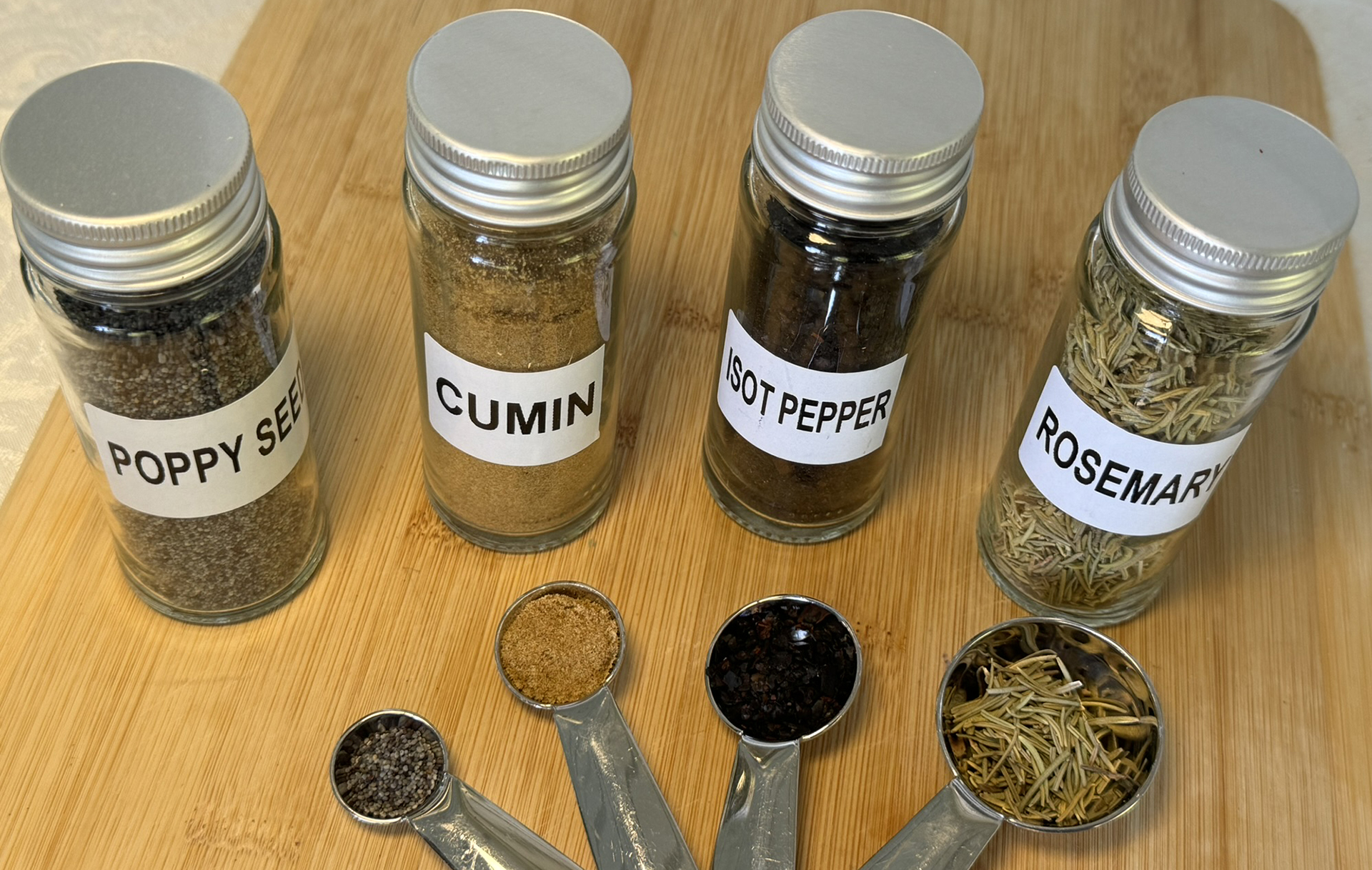
Kütas supplies Oregano and sage to major food and restaurant brands in the United States, a testament to the global reach of Kazim’s family spice business and the integral role Türkiye has in the global spice business.
Kazim encourages Americans to visit Türkiye, particularly Izmir and the surrounding area. “We have an amazing wine trail of 18 to 20 vineyards that people can drive through and visit, a bit like the Napa Valley of the Aegean, shall we say,” he said. In that region, there are three Michelin-starred restaurants within a five-minute drive of one another. “These places are cooking incredibly innovative dishes. The lamb in Türkiye, for example, is to die for, the best lamb I’ve ever had is from Türkiye.” He attributes its taste to short-tailed lamb farmers raise in Türkiye as opposed to long-tailed lamb from New Zealand that is exported to many countries.
“I think people will be blown away if they come to Türkiye with the breadth of scenery and breadth of food, a gastronomic tour of great restaurants, different every night. You would be amazed,” he said.
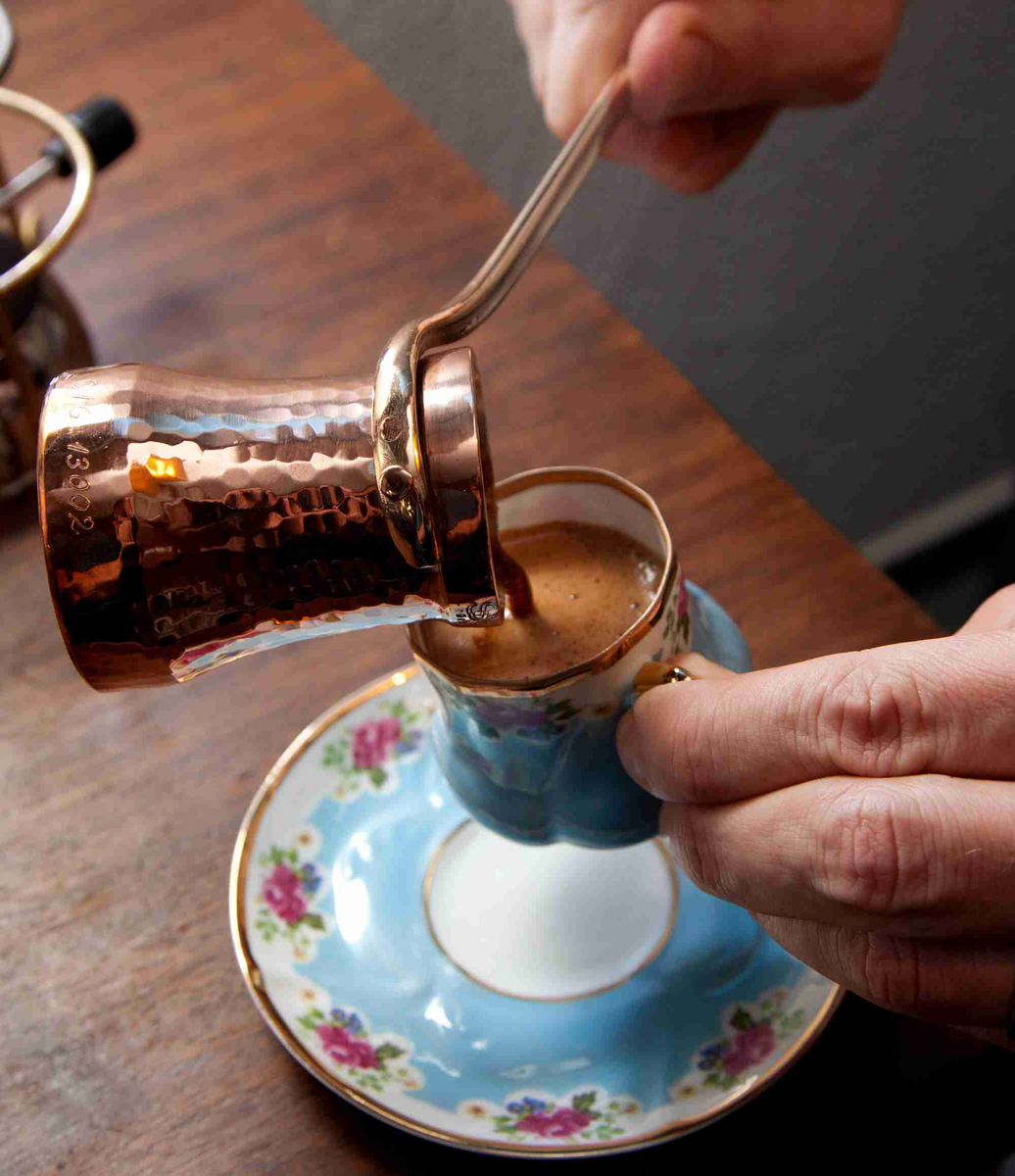
And don’t forget to enjoy a cup of Turkish coffee. “The memory of a good cup of Turkish coffee lasts 40 years,” according to a centuries-old Ottoman saying. Following in the footsteps of their ancestors, Turkish business owners might just negotiate some terrific 21st century international trade deals over that cup of coffee!
References
A History of the World in 6 Glasses by Tom Standage (2005)
CIA World Factbook – Türkiye
British Museum – Company of Grocers
Turkish Tastes, A Culinary Reference Book on Türkiye’s Amazing Ingredients
Links
Turkish Tastes
UNLV Harrah College of Hospitality
Nevada Restaurant Association
American Culinary Federation (ACF)