Home Blog Page 7

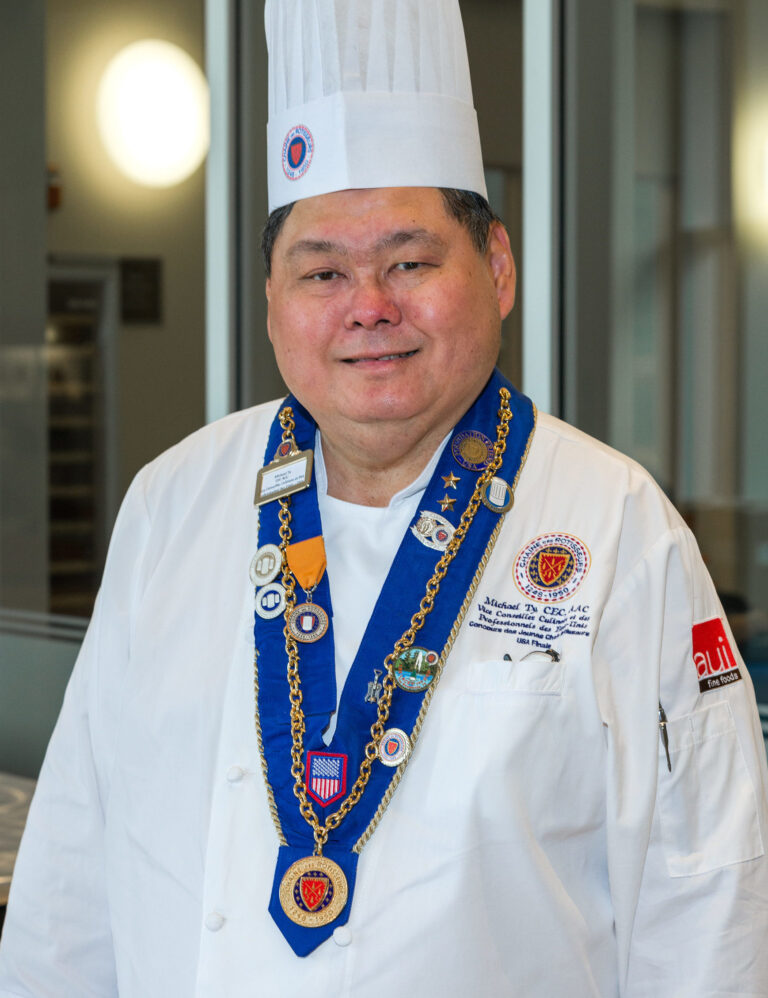
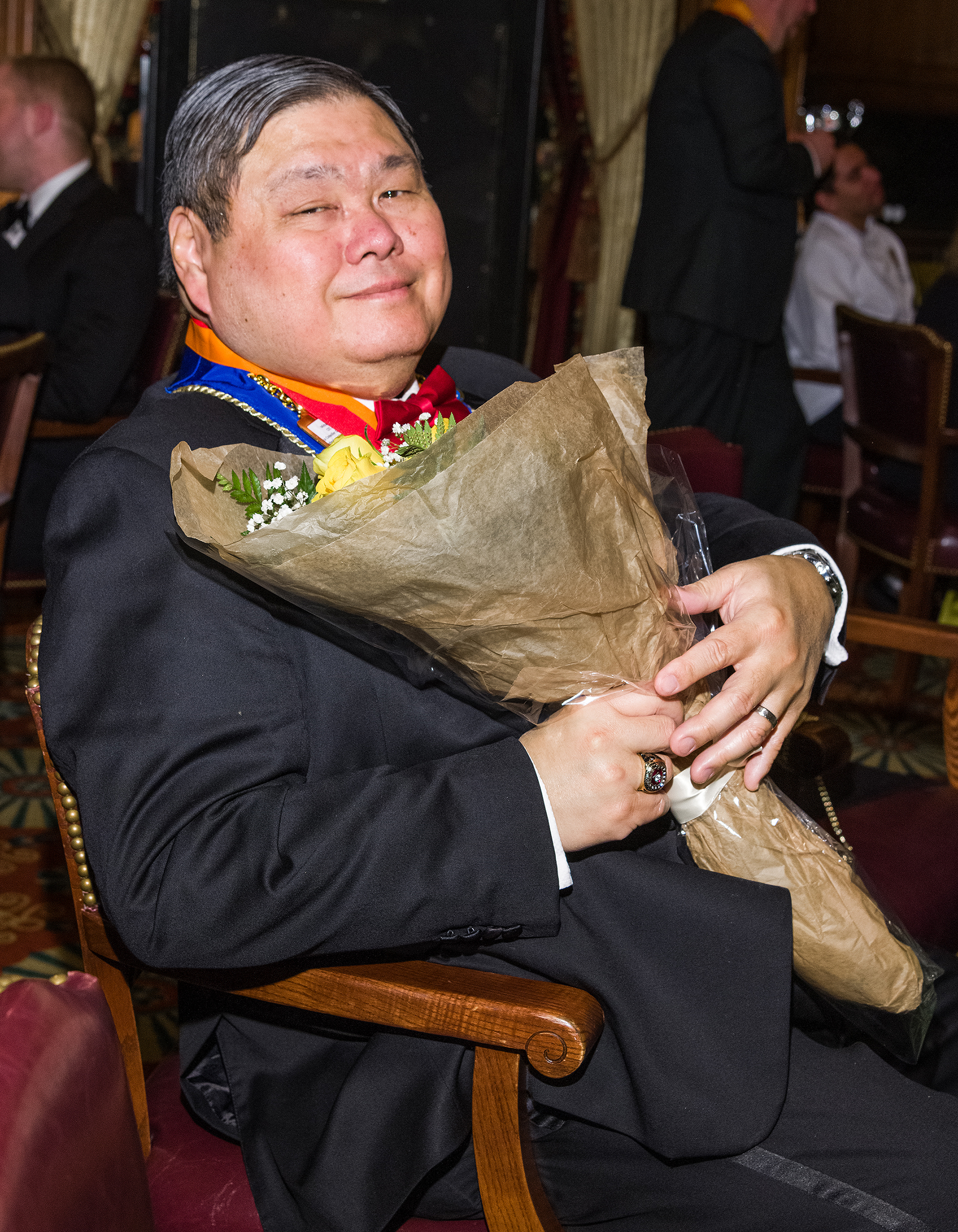
Chef Michael Ty is Paying It Forward

May 28, 2021 – Usually tucked away in a far corner of a sprawling building in a room without a view, high school guidance counselors diligently guide the next generation to their futures. As a high school senior in upstate New York, Michael Ty, chef, culinary entrepreneur, Conseiller Culinaire for the Far West region and Vice Conseiller Culinaire for Chaîne des Rôtisseurs, met with his guidance counselor to learn the results of an aptitude test he took as a junior. The test indicated Michael had strong skills for a career in banking and finance. “I just could not see myself sitting behind a desk in a shirt and tie,” Michael said to Chaîne during a Feb. 23, 2021 telephone interview. Michael asked his counselor if there was another strength revealed by the test. The counselor told him he also scored high in Home Economics. “Are you kidding?” Michael replied.
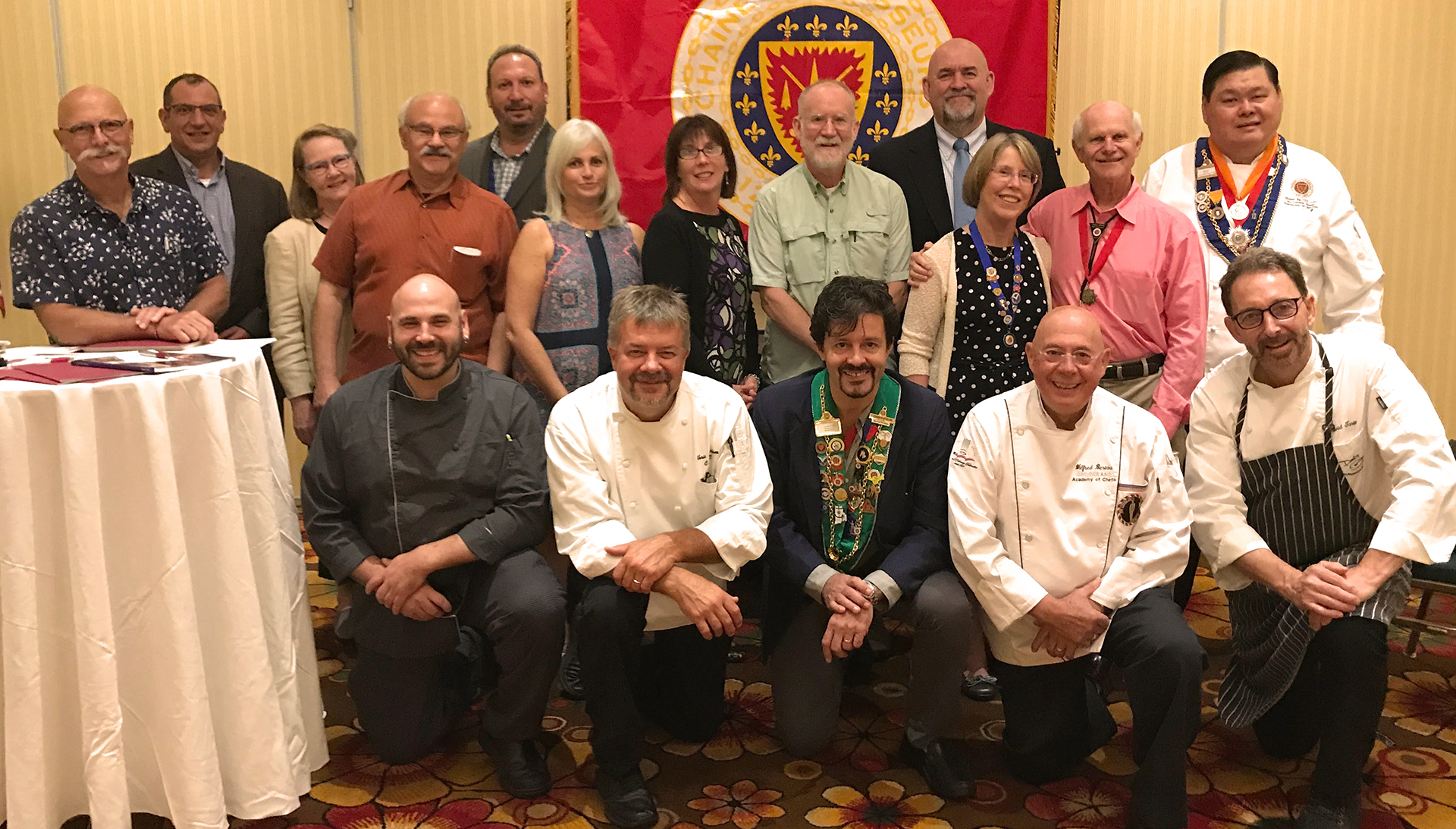
Induction ceremony for the launch of the Portland, Maine chapter (Photo: Courtesy of Michael Ty)

More than 40 years ago when he attended high school, Home Economics classes primarily taught homemaking skills to girls. Michael equated Home Economics to “Susie Homemaker.” He never thought those courses were a path to a career although upon reflection, he attributes his mother with his interest in cooking. “She loved to cook and made good meals,” Michael said. As an immigrant family in the 1960s, he said he took refuge in the kitchen helping her cook.

His guidance counselor broadened his horizon about Home Economics by introducing Michael to the world of culinary arts as a profession as they reviewed his aptitude test. He could definitely see what his counselor described as his future so he enrolled in the culinary arts program at the State University of New York (SUNY) at Cobleskill. “I fell in love with the program and that’s how my career started,” Michael said.
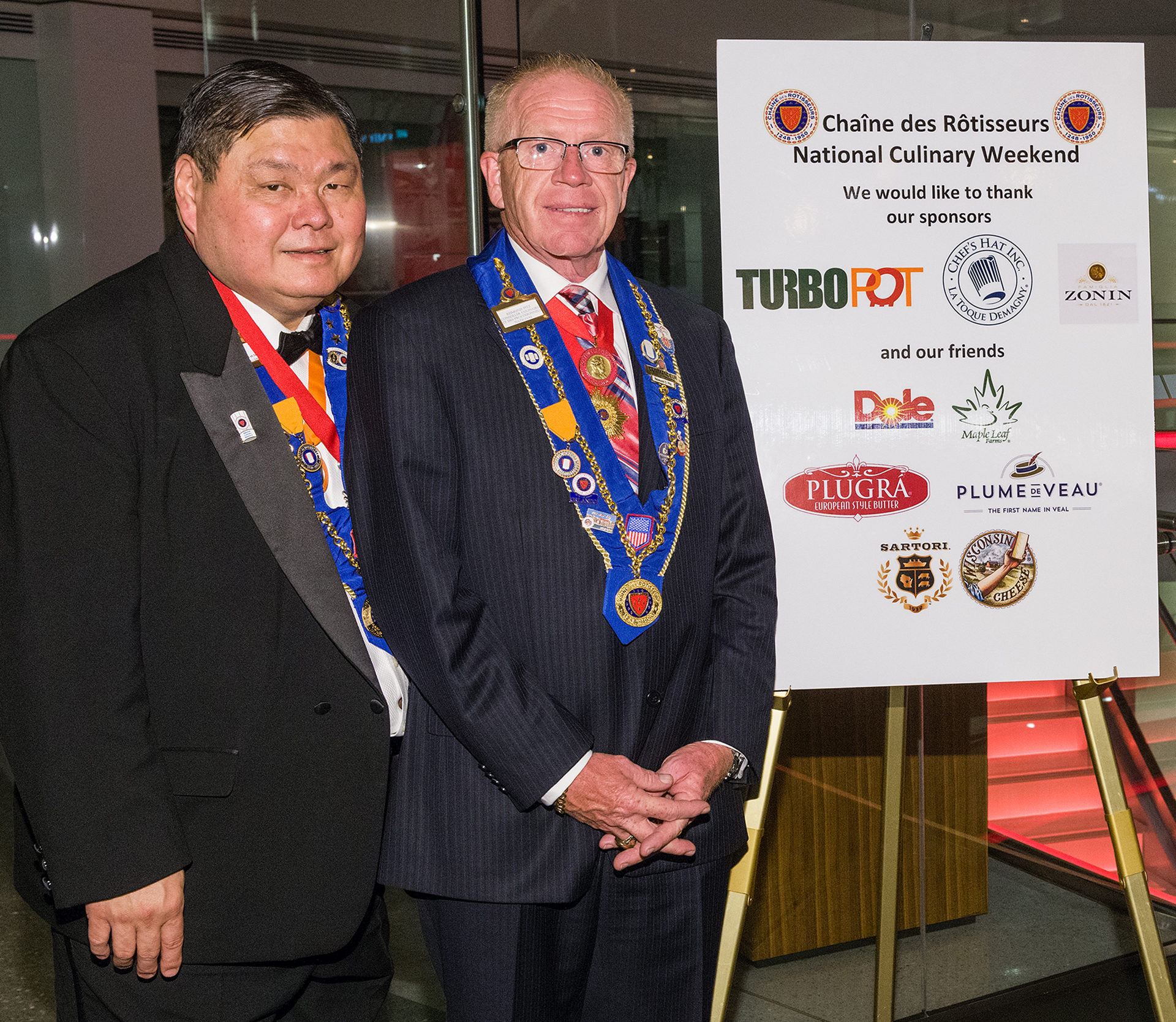
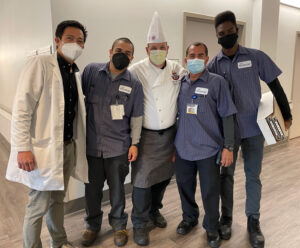
Chef Michael Ty and Chef Reimund Pitz.

After graduating with an Associate of Science degree in Culinary Arts, he began his career locally. However, the College of Hard Knocks soon enrolled Michael but education, culinary arts excellence, and the courage of his convictions enabled Michael to overcome obstacles in the early days of his career.

He was working in the restaurant division of a local company when management changed. With a promotion, he asked why he was not being compensated at the level of the person who previously held the position. He was told he needed to prove himself and would be evaluated in six months. He performed as expected but six months came and went without an increase in compensation. At the same time, his aunt from Las Vegas reached out to him about coming to work in Las Vegas. She had connections and could get him a job at Caesars Palace as a sous chef, she told him. So he resigned his position, packed his bags and moved to Las Vegas in 1975 even though the local company offered to raise his salary if he would stay.
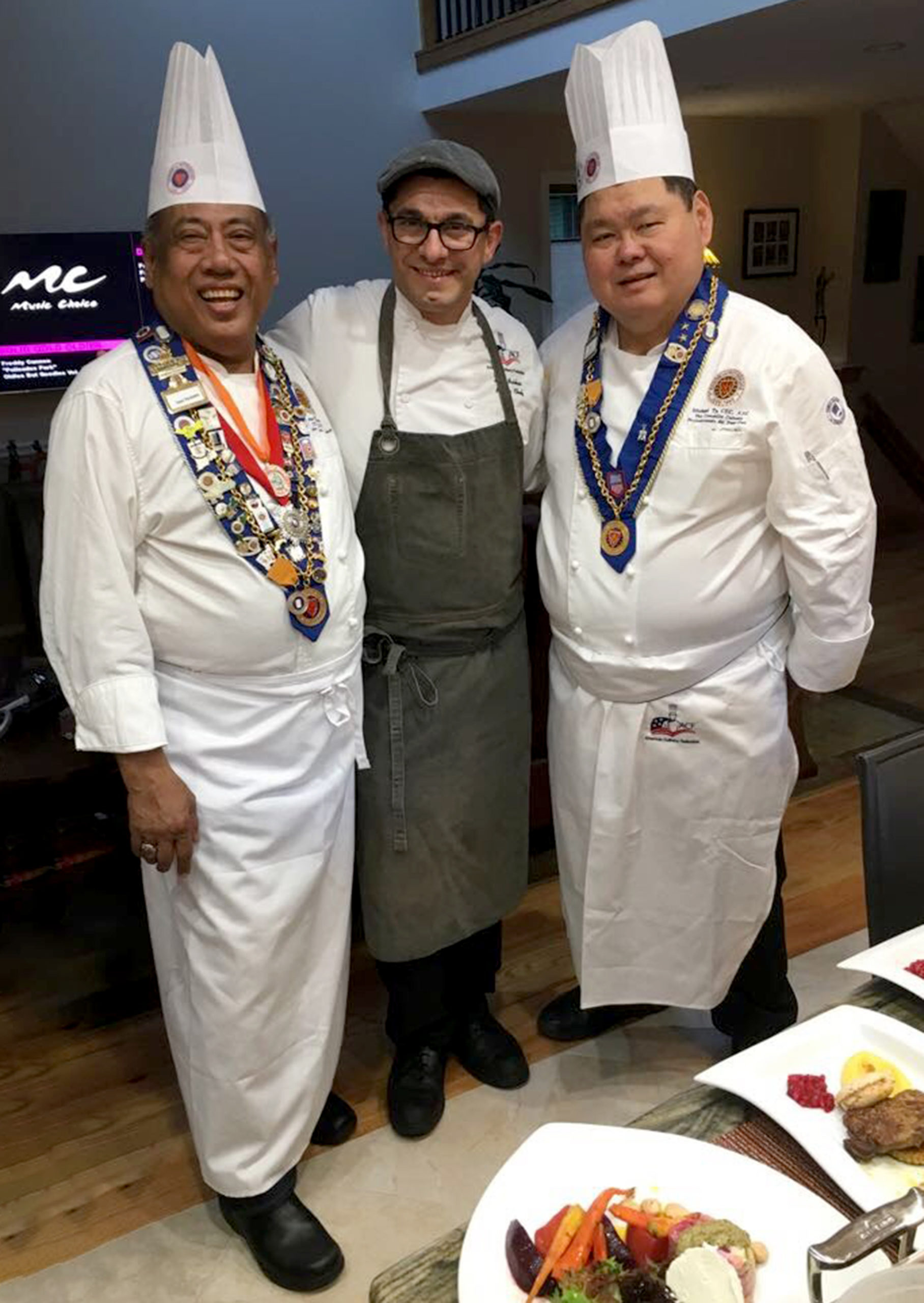
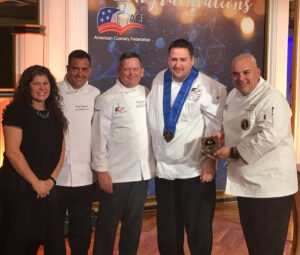
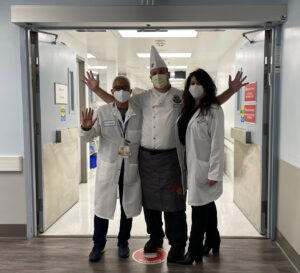
Yono Purnomo and Sam Nahhas with Michael Ty

“It was time to move on to where I get compensated for what I’m worth,” Michael said. And he followed his convictions. “If they lied to me the first time, what’s going to prevent them from lying to me the second time.” He headed west.

Once in Las Vegas, the job his aunt promised she could secure for him did not materialize. Michael was unemployed and on his own in a new city.

He found a job on the lowest rung of the kitchen brigade ladder. Within two years, he landed a job as a sous chef at Caesars Palace. At age 28, he became the youngest non-European Executive Chef at a major resort on the Las Vegas strip.

Michael has watched Las Vegas grow by leaps and bounds since the 1970s and that growth includes fine dining. Known for its round-the-clock buffets, the feasts are just one part of the Vegas culinary scene, Michael said. For many years, Las Vegas has had the same top chefs and fine dining as the rest of the world, he added. When he worked at Caesars Palace, they would serve from 30,000 to 40,000 meals per day with a kitchen brigade of 550 employees.

However, the College of Hard Knocks would not let Michael graduate. As an employee, he was always subject to management changes and the whims of CEOs so Michael decided to put his destiny in his own hands.

“I would not be put in a position to worry about putting food on the table,” Michael said.


Culinary Entrepreneur
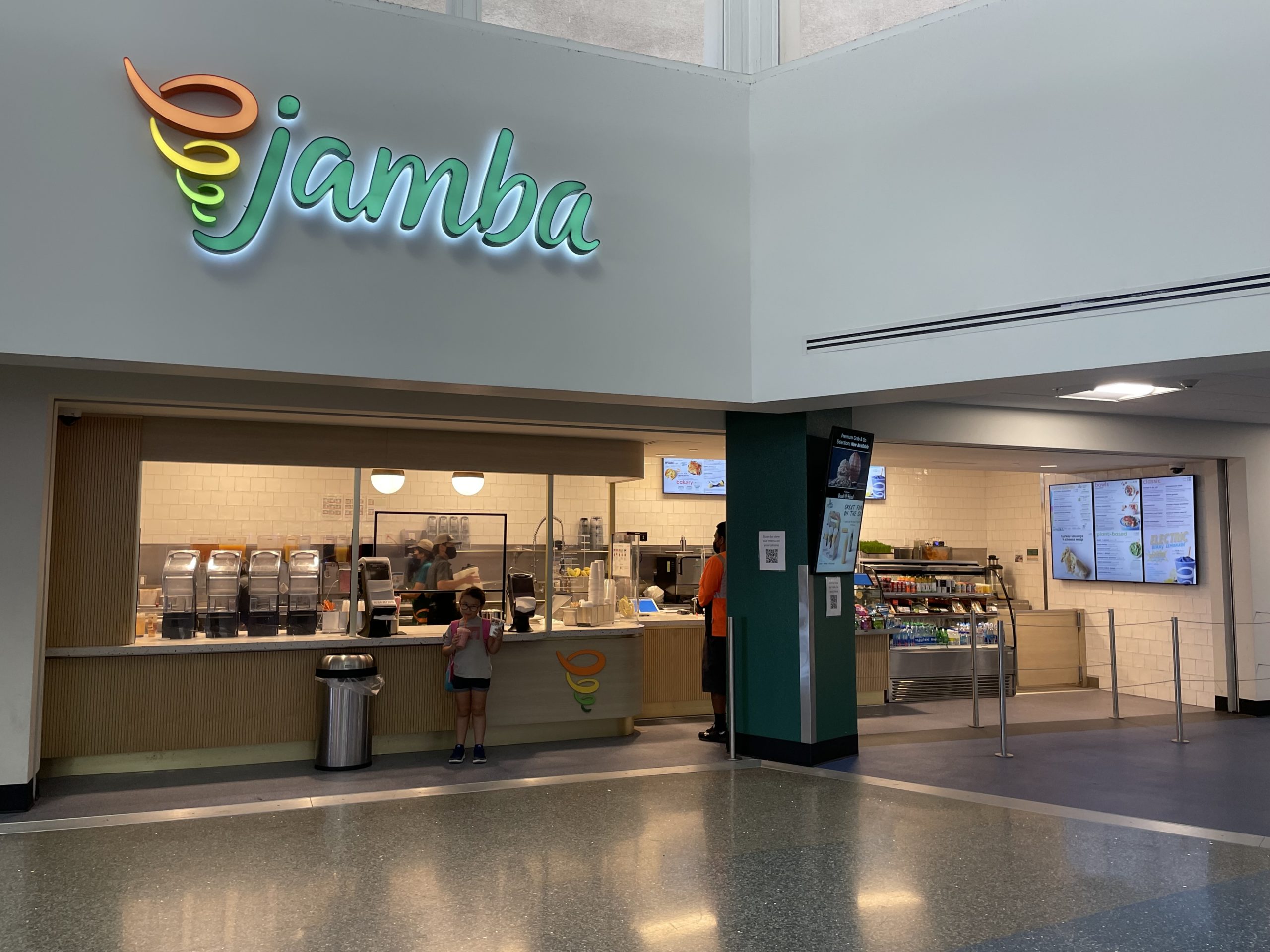
Michael’s Jamba store at McCarran International Airport in Las Vegas (Photo courtesy of Michael Ty)

In 1993, Michael established his own company – Hospitality Culinaire Inc. – and it did not take long for him to navigate this new world of culinary entrepreneurship. In 1994, he bid on several options at McCarran International Airport in Las Vegas. He was awarded one QSR (Quick Service Restaurant) – a TCBY store. In 2012, Michael opened his first Jamba Juice at a different gate and opened a second one in 2016 in another terminal. In 2019, he had the top two highest grossing locations of the 850 Jamba restaurants around the world. His original store closed in 2019 and opened as his third Jamba location just before the pandemic. Jamba serves smoothies and other food, including popular Acai Bowls.

Michael also has another business, called “MT Cuisine, LLC,” which sells chef apparel and high quality disposable chef toques. Apparently, his high school aptitude test was spot on!

The pandemic of course has deeply impacted Las Vegas. One of the top spots in the world for conventions and tourism, Michael’s revenue is down 60 percent from the year before COVID but he is sustaining the business. He is not losing money but not making a lot either, he said. In a May 25, 2021 email, Michael said that as of June 1, most hotels will be open to full capacity although two or three are still closed. And similar to what is being reported everywhere, Michael cannot open his stores completely because of a labor shortage.

Young Chefs Competition

Now semi-retired, Michael is supporting young culinarians through Chaîne’s Young Chefs program of regional and national competitions to prepare young chefs to succeed in their profession and compete on the international stage. Michael and Chef Reimund Pitz are the administrators for Chaîne’s upcoming Young Chefs Competition being held from June 3-6 in Kansas City, Missouri and Overland Park, Kansas.
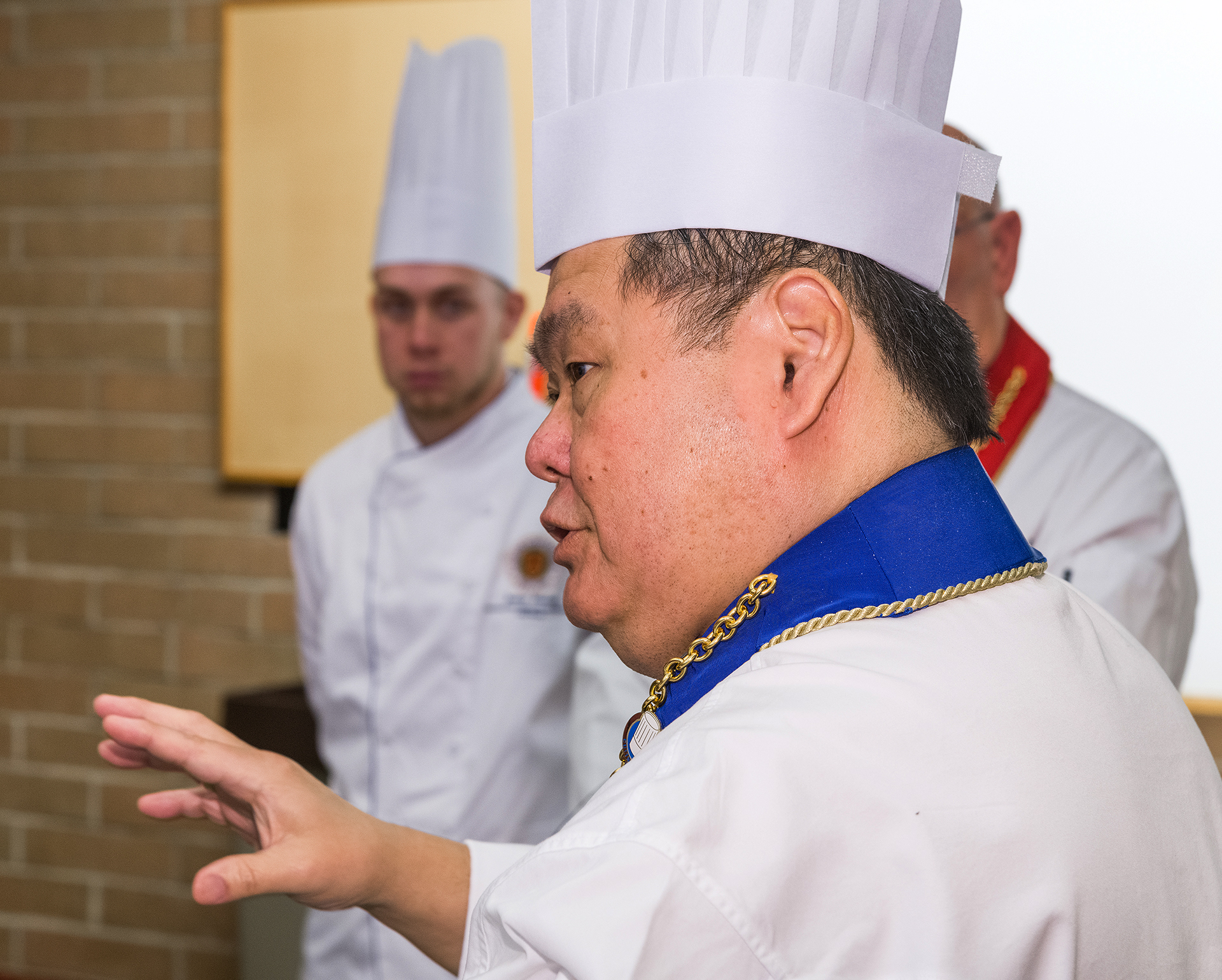
The competition, which will be held at Johnson County Community College in Overland Park, Kansas, is part of Chaîne’s Culinary Weekend of educational seminars, a wine tasting, food pairings and an awards banquet.

The 2020 Young Chefs Competition had to be canceled because of the pandemic. Prior to COVID, Chaîne’s ten regions would hold their own regional competitions with a minimum of four chefs required. The ten regional winners would advance to the national competition and then one winner would be named to represent the United States at the international competition the following year. Chefs cannot be older than 27 years by October 1 of the year during which they are competing.
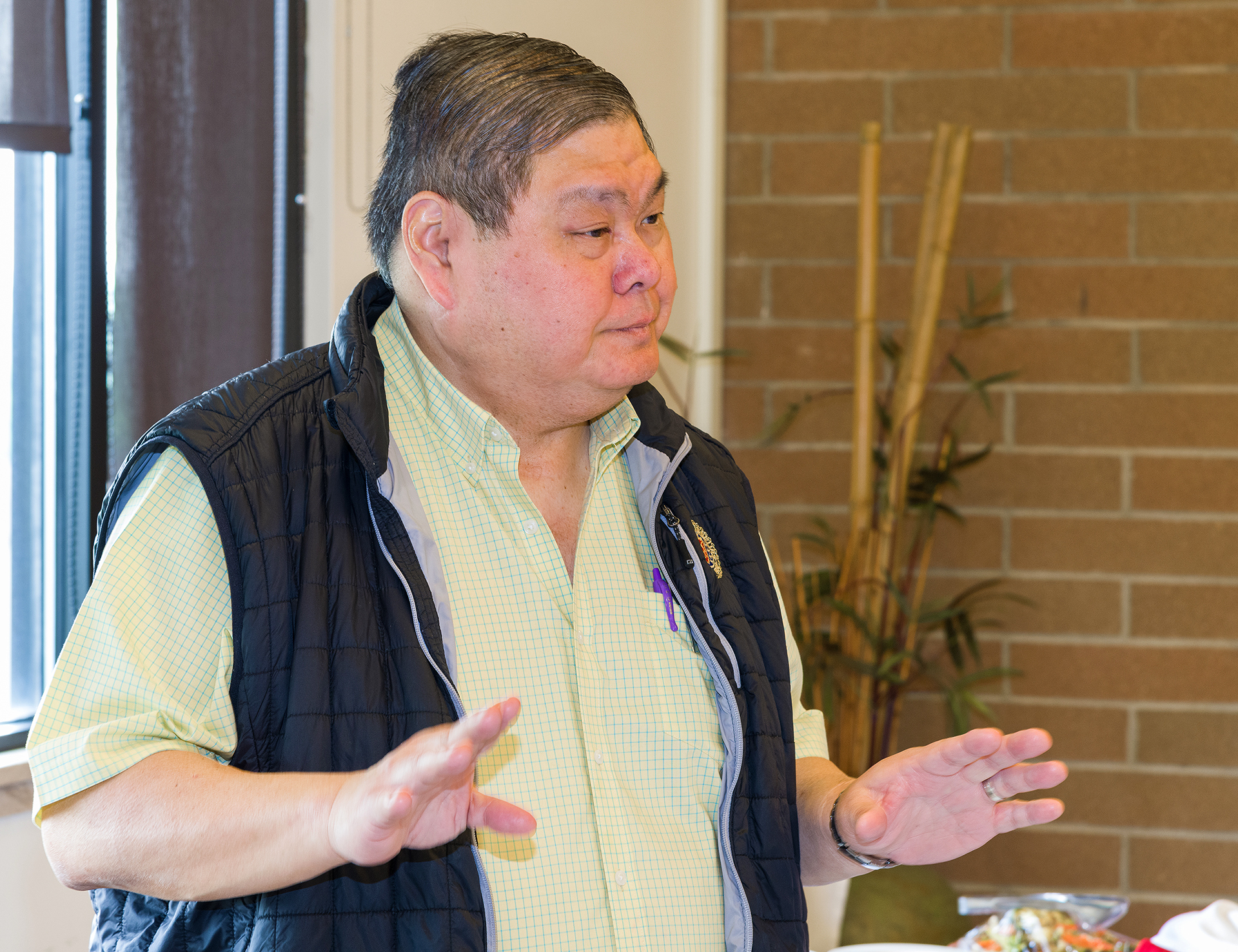
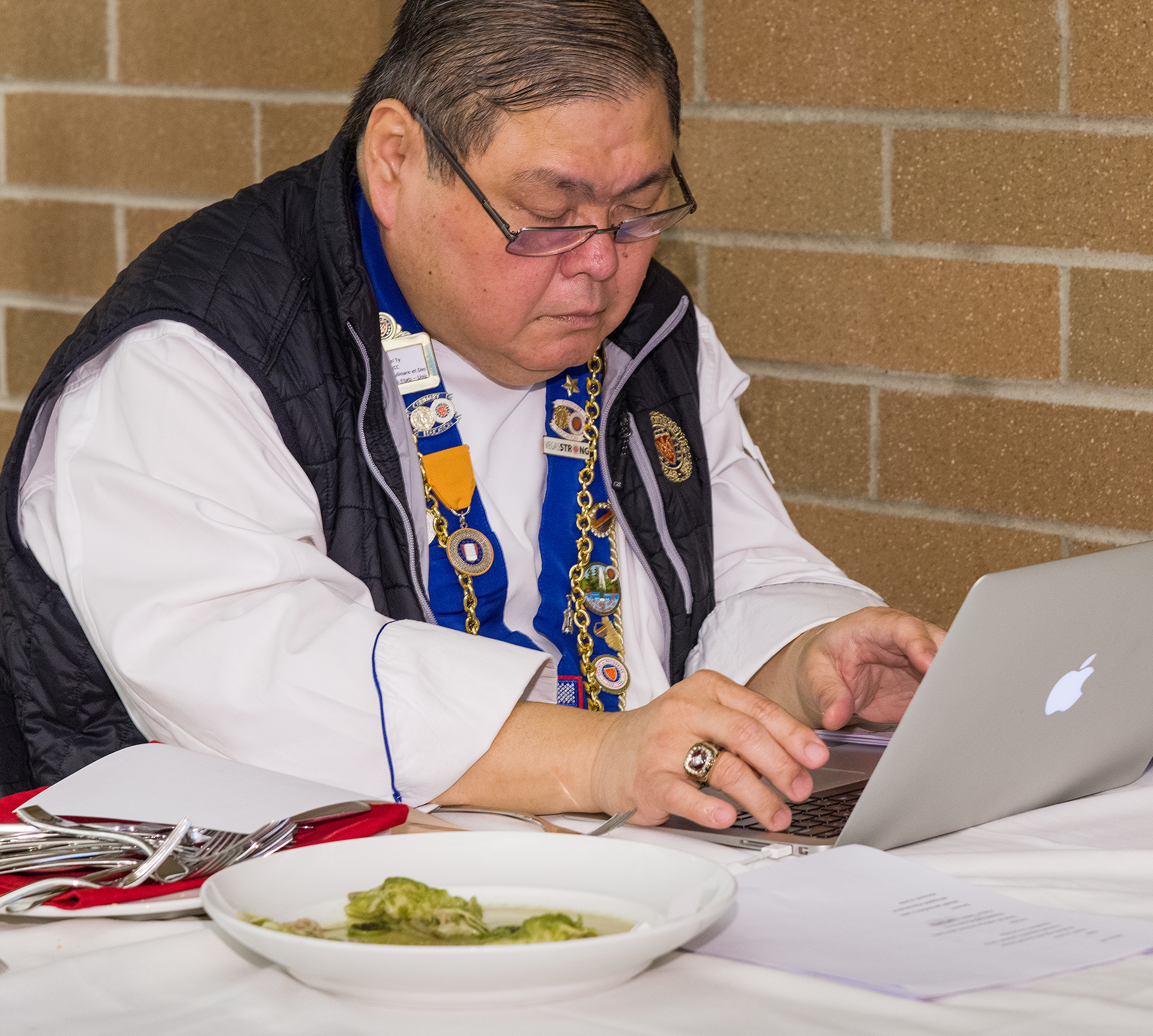
In 2021, four regions held live competitions and two held virtual ones with modified guidelines, Michael said. There will be an international competition in Paris in September. Normally, the United States winner has one year to prepare for the international competition. But this year at the June Young Chefs competition, two winners will be chosen. One will represent the United States in Paris in September and the other will represent the United States in 2022 at a location still to be determined.

For the June competition, competitors will prepare a three-course meal: an appetizer, an entrée and a dessert. They have already received the mandatory protein that must be used. Once they arrive, they will receive a mystery basket of two additional proteins and some fruits and vegetables. As one of the administrators, Michael said they like to include fruits and vegetables the chefs will likely face in the international competition so this year, the mystery basket will include produce indigenous to France.
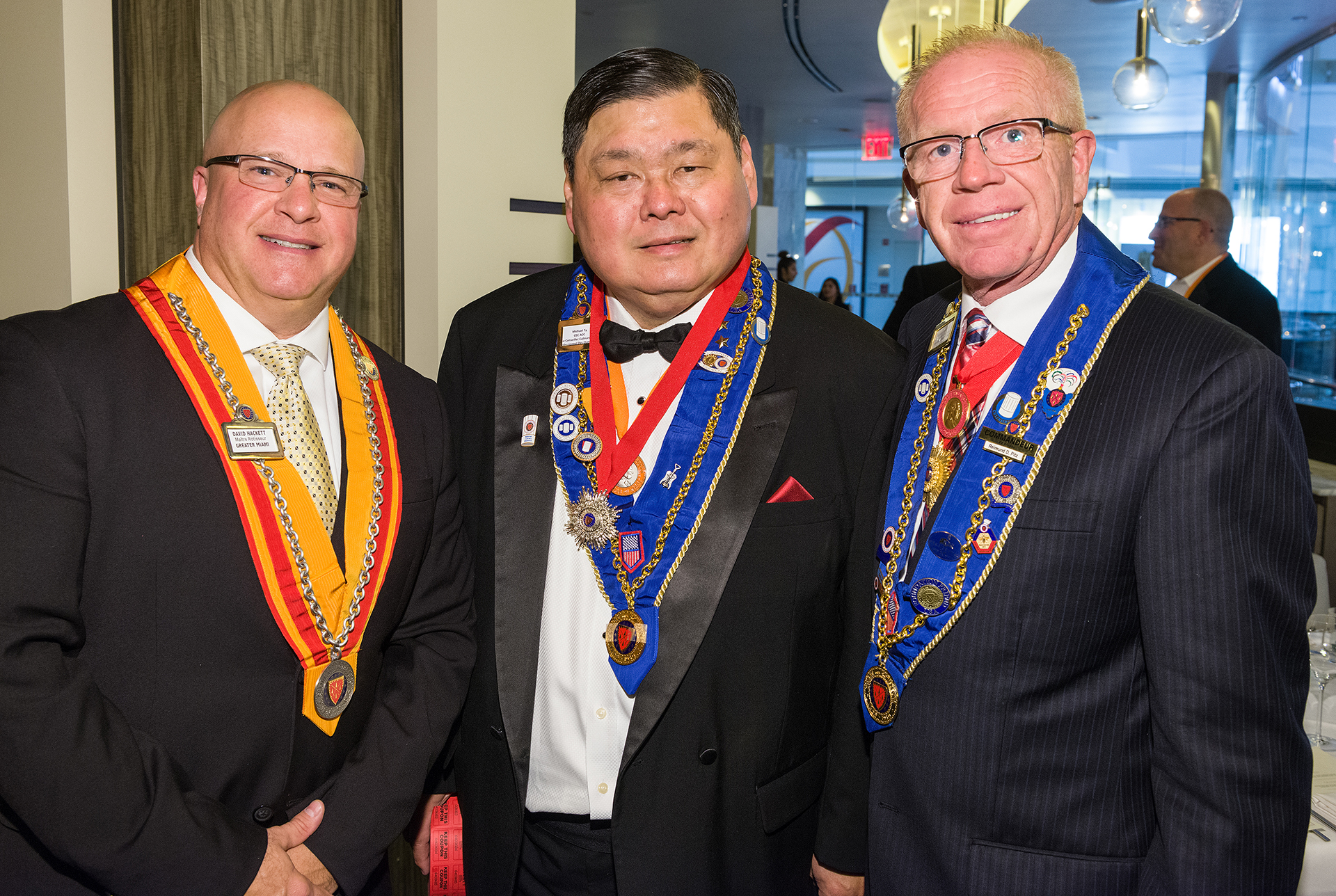
From left, David Hackett, Executive Chef Caribe Royal Hotel in Orlando, Chef Ty and Chef Pitz

A total of nine judges (three kitchen and six tasting) will score the chefs in all aspects of their culinary skills.

Michael encourages Chaîne members to support their young culinarians and local restaurants. “They work very hard to provide you with the very best food whether it’s as simple as a burger or as elegant as foie gras and caviar. It takes passion to create all these specialties for people,” Michael said.

Passion for the profession and business acumen propelled Michael’s career to success and recognition. In August 2021, he will be inducted to the “American Academy of Chefs” Hall of Fame. And in 2021, he received the Biotechnology and Natural Resources “Award of Excellence” from the University of Nevada Reno College of Agriculture. One of the reasons for the award was Michael and his team’s long term involvement with the “Chefs for Kids” Foundation. The foundation raises money each year to support the salaries of nutritionists who go into 14 “at risk” schools in Las Vegas to teach them about healthy eating and nutrition.He has an Honorary Doctorate from Johnson and Wales University, Norfolk Campus. In addition, he has several Chaîne Awards including a Founder Award for the Brillat Savarin and a Gold Star of Excellence.

Michael is dedicated to mentoring young chefs; paying it forward for the support his mother and high school guidance counselor provided him.

He has set up a Chaîne des Rôtisseurs grant/scholarship at SUNY Cobleskill to fund one student every year to participate in the Young Chefs Competition in the Northeast Region.
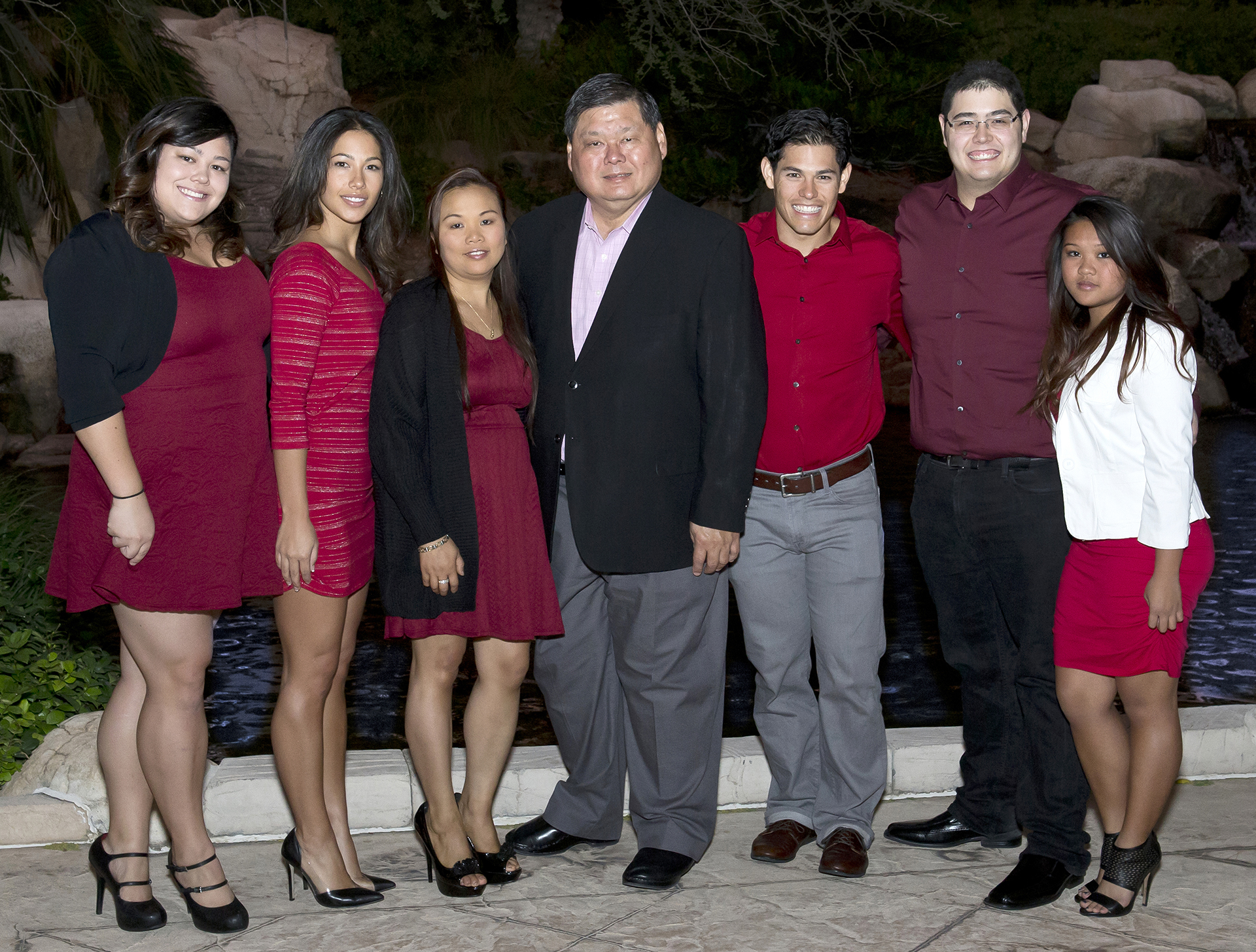
From left, Meagan, Melissa, Mary Ann, Michael, Michael David, Marc and Anna Mhae. (Photo Courtesy of Chef Ty)

“If it was not for the support of my immediate family … my wife, Mary Ann and my children, I would not be able to do this. They have unselfishly allowed me to spend their quality time for my passion which is to promote our profession. Thank you to my oldest son, Michael David, and my general manager, Jojo Cunanan, for allowing me to do this as well. Their support has made me successful in what we are doing today,” Michael said.

Guidance counselors should have corner offices with spectacular views to match their vision for their students’ futures!
Links

Chefs for Kids Foundation

Chaîne’s Young Chefs Competition

Johnson County Community College (Hospitality and Culinary Arts)
SUNY Cobleskill (Culinary Arts)
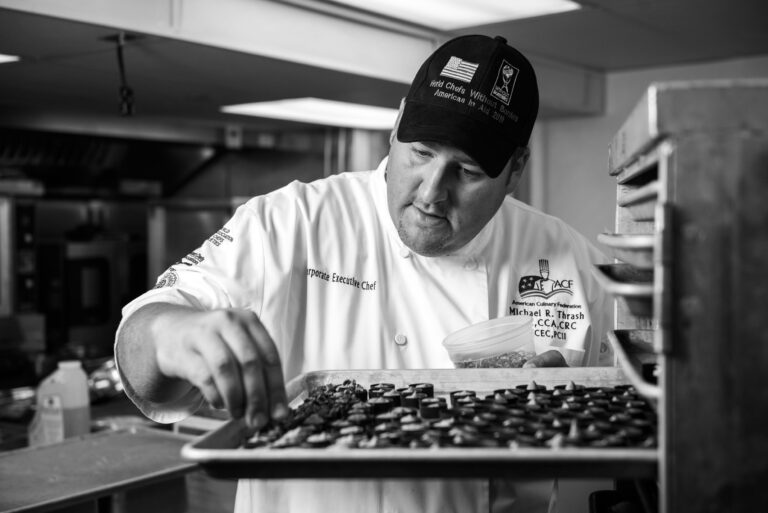
Chef Michael Thrash is Behind the Scenes but Ahead of the Curve

May 14, 2021 – More than 50 years ago, J.R. Simplot, an innovative Idaho potato farmer who founded the J.R. Simplot Company in 1929, and Ray Kroc, the businessman who turned McDonald’s into a global fast food phenomenon beginning in 1955, shook hands on a deal to have Simplot supply McDonald’s restaurants with potatoes for their famous French Fries. Today the J.R. Simplot Company supplies a large portion of the french fries McDonald’s uses around the world. It’s still a handshake deal. “We’re the only company to this day that does not have an actual contract in writing,” Michael Thrash, Corporate Executive Chef for the J.R. Simplot Company and Vice Conseiller Culinaire Southeast Region, Chaîne des Rôtisseurs USA 2021, said to Chaine during a Jan. 29, 2021 telephone interview.

Chef Michael Thrash (Photo: Courtesy Chef Thrash)

Based in Boise, Idaho, Simplot has remained true to its potato roots. The company, which is one of the largest privately owned companies in the world, farms more than 82,500 acres in Idaho and Washington, growing more than 15 different crops including potatoes, hay, corn, wheat, sweet corn and barley, according to the company’s website. And it manages more than 12 ranches with a total of 30,000 mother cows in Idaho, Nevada, Oregon and Washington.

Over the years, the company expanded beyond food to many areas of agribusiness including feed and fertilizer. Its overall mission and business is “Bringing Earth’s Resources to Life.”

Simplot Foods

Michael works in the Simplot Foods division, the company’s original division, helping chefs with recipe and menu development and even business practices. Internally, Michael works closely with Simplot’s food scientists on product development, which is driven both by customer requests and in-house ideas for a new product, Michael explained.

Based in Tampa, he is one of four executive chefs at Simplot with responsibility for a large swath of eastern North America, a job that before the pandemic had him on the road and in the skies many days of the year.

“I’m lucky to play in a space that is plant-based that we pair with proteins, meats and everything in between. The possibilities are endless for me to create food and create wonderful experiences. I always say my impact is behind the scenes. It’s pretty fun,” Michael said.

When Chaîne members sit down to an exquisite meal, they may not know of the significant impact food manufacturers, such as Simplot, had on the meal.

“We take a lot of pride as chefs for companies this large in keeping things as straightforward, natural and high quality as we possible can,” Michael said.

In Simplot’s early days, the company formulated ways to dehydrate onions and potatoes, innovative and practical developments that definitely put the company on the map. During World War II, the company met the needs of the military by supplying millions of pounds of dehydrated onions and potatoes. More than a few soldiers with KP duty were probably ecstatic to see Simplot’s products!

In the early 1950s, company food scientists developed the first frozen french fries meeting the burgeoning demand for convenience. Whether at McDonald’s ordering french fries or at the grocery store buying frozen fries, for years customers have been buying Simplot products but as a wholesale food supplier, the company remains largely unknown to the public.

“We are one of those companies that is everywhere, you just don’t know that we are,” Michael said.

Career Path

Michael’s path to his career with Simplot began at home watching his mom cook for their family. He loved going to the grocery store with her. In fourth grade, he wrote a paper stating he wanted to be a baker when he grew up. “I knew I wanted to be a chef as a kid,” Michael said.

He grew up around a lot of great cooks. His mother had five sisters and one brother. Michael has 24 first cousins, 18 of them female. “I know way more about gymnastics and cheerleading than I probably should,” Michael said with an affectionate laugh.

His first job in the culinary industry was at the young age of 11 when he was hired to run the concession stand for Saturday Bingo at his parish in Rochester, New York. He remembers setting up the station, serving people, being able to have all of the popcorn, pop and candy he wanted and getting paid with a $6.00 check at the end of each night. He loved it.

In high school, he opted to attend half-day vocational tech culinary school. “I excelled. I found my niche, my passion,” Michael said.

When it was time for college, he wanted a four-year degree in culinary arts and the college experience, complete with athletics. Johnson and Wales University in Providence, Rhode Island fit the bill perfectly because in addition to offering a Bachelor of Applied Science in Culinary Arts, it was also a city campus.

During his college years, he worked at a different place each summer to gain real world experience. He instinctively knew he would be a better chef with a broad range of experience.

“I knew when I was young I wanted to be well diversified and well rounded. I wanted to branch out and learn as much as I possibly could and I am happy I did that,” Michael said. “The rest of my career is history from there.”

Just as he excelled in high school, he has excelled in the culinary industry as a professional chef with deep knowledge and experience in all aspects of the industry. Prior to joining Simplot in 2019, his experience included Corporate Executive Chef at GA Foods and Executive Chef at Boston University.

His years at Simplot have been productive ones as he continues to learn and share his knowledge with others. He is currently a Chef Instructor at the Art Institute of Tampa teaching undergraduate and graduate food lab classes one night per week. His classes include instruction in classical European, World, Asian, and Latin cuisine. “I love teaching and sharing knowledge that was taught and shared with me by so many great chefs before me,” Michael said. “It keeps my hand on the knife.”

Michael is already in that elite category of great chefs.

Chef Michael Thrash, second from the right (Photo: Courtesy of Chef Thrash)

In 2019, Michael became a Certified Research Chef (CRC) through the Research Chefs Association and in that same year, was inducted as a Member of the World Master Chefs Society.

In 2021, Michael became a World Certified Master Chef (WCMC) through the World Association of Chefs Societies. On Aug. 1, 2021, he will be inducted as an American Academy of Chefs Inductee/Fellow through the American Culinary Federation (ACF).

With such high caliber experience and accolades, Michael is typical of most chefs who do not do a lot of cooking at home. “I still don’t cook at home,” Michael said. It makes sense. Home equipment and ingredients just are not the same as what he works with each day, Michael explained. He and his wife enjoy going out to eat and traveling. They met friends at Disney World during the winter and had a great time. However, during the pandemic, his wife took an interest in home cooking through the Hello Fresh home food delivery service. It was a good way for her to learn and a nice option during the tough times of the pandemic, Michael said.

Describing himself as a “super optimist,” Michael believes the industry will bounce back from the pandemic, offering opportunities for young culinarians to put their mark on the future.

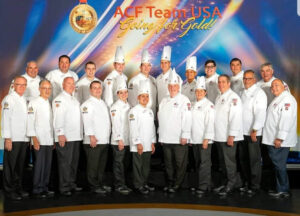
Chef Thrash, second from the left in the back row, with the 2019 ACF Team USA (Photo: Courtesy of Chef Thrash)

The Simplot Food division took a big hit to the bottom line from the pandemic in 2020 but the company decided not to furlough or lay off one person, Michael said. The company set up a separate payroll account to support their employees through the pandemic. “It’s pretty remarkable. I work harder for them,” Michael said.

As the nation pulls out of the pandemic, Michael said there are a few identifiable culinary trends, some an offshoot of pre-pandemic trends. Affirming what other chefs have noticed, comfort food is back in a big way. Michael said comfort food is developing with more international flavors such as Thai pizza and Korean fried chicken.

And of course, the ultimate comfort food is as close as the nearest McDonald’s!

Links

The J.R. Simplot Company

Chaîne Cuvée Extra! Win a $150 Gift Card to the Chaîne Boutique!

Answer the question below in the Comments section on our Facebook page. Please like us as well!

A plate of McDonald’s famous French Fries! (Photo: J. Miller)

First, let’s give a shout-out to potato farmers who grow high quality potatoes McDonald’s turns into their delicious French Fries!

The J.R. Simplot Company supplies McDonald’s with a large portion of their French Fries globally. But think about the total amount of potatoes McDonald’s needs each year to make their french fries.

QUESTION: How many pounds of potatoes, in total, do you think McDonald’s uses each year to make french fries at their restaurants around the world? Hint: McDonald’s has about 38,000 locations.

Enter your estimate on our Facebook page in the Comments section, be as specific as you can. The person who comes closest to the number, without going over, will win a $150 Gift Card to the Chaîne Boutique. (In the event of a tie, the National office will draw a winner from the correct submissions.) We will post the answer on our Facebook page on June 4, 2021 along with the Facebook user with the closest guess. See Official Contest Rules

Philip Jones Continues Business Family Legacy of Excellence Begun in 1889

April 30, 2021 – Sally Crane Jones’ pork sausage recipe with three ingredients has withstood the test of time spanning three centuries. First produced and sold commercially in 1889 by Milo Jones, Sally’s son, from his family’s dairy farm in Fort Atkinson, Wisconsin, today the sixth and seventh generations of the family are guiding the company from the same location using exactly the same recipe. Philip Jones, President and CEO of Jones Dairy Farm, professionally-trained chef and Chaîne member, is leading the business family with the same commitment to excellence his ancestors adopted. And after returning to the farm and business from a career in finance with Fortune 500 companies, Lisa Caras, Philip’s stepdaughter, represents the seventh generation actively involved in management.

Philip and Lisa walk near the Jones Dairy Farm yellow barn, an historic building on the farm that is still used by the company and the family. (Photo: Courtesy of Jones Dairy Farm)

“A seventh generation family business has had to pivot more than seven times. Every generation has had to deal with their own set of issues and challenges in building a business, managing a business, growing a business, and yet, at the same time there is that common thread of commitment to quality, customer service and innovation,” Philip said to Chaîne during a March 10, 2021 telephone interview.

Six Generations of Jones Dairy Farm Leadership

Six generations: from left, Milo C. Jones, Mary P. Jones, Edward C. Jones, Sr., Milo C. Jones, Edward C. Jones, Jr., and Philip H. Jones (Photo: Courtesy of Jones Dairy Farm)

According to Grand Valley State University’s Family Owned Business Institute, there are 5.5 million family owned businesses in the United States employing 63 percent of the total workforce.

However, less than two-thirds of family owned businesses last through two generations and a very small percentage last through four generations. Jones Dairy Farm is a rare success story still going strong into the seventh generation. And there is an eighth generation!

Lisa and her son (Photo: Courtesy of Jones Dairy Farm)

Philip credits the company’s insightful outside council and the family’s deep commitment to its heritage as its “magic sauce.”

“We’re no different than any other family. We agree on things. We disagree on things. But there is a common thread of commitment to the heritage and the pride that comes along with such an amazing American story,” Philip said.

Three ingredients – pork, salt and spices – still comprise the list of ingredients on its breakfast sausage famous far and wide. Pork sausage forms the bedrock of the company but over the years, ham and bacon products have been added. No binders, fillers or MSG are used, a decision made many years ago to maintain the highest quality, which also means Jones Dairy Farm products are free of Big 8 allergens and are gluten-free.

Jones Dairy Farm Market (Photo: Courtesy of Jones Dairy Farm)

As Jones Dairy Farm Marketing Manager, Lisa has recently focused on Japan as an emerging market for a few of their products. Thick-sliced bacon is popular in Japan and known as “American style” bacon. With her extensive work experience outside of the company, she feels she can make a difference. “I care so much about this company and the family,” Lisa said to Chaîne during a March 10, 2021 telephone interview.

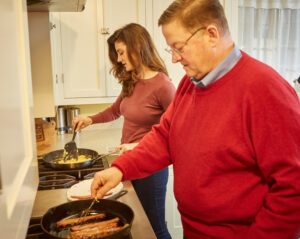
Lisa Caras and Philip Jones, a professionally-trained chef, are in the kitchen cooking Jones Dairy Farm sausage! (Photo: Courtesy of Jones Dairy Farm)

Four members of the Jones family are actively involved in the business today. Family gatherings are still held at the farmhouse pictured on their logo, a source of pride because of its deep connection to previous generations. In a video posted on their website, Philip explains that 98 percent of the company’s products are produced today within one mile of the farmhouse. That fact alone makes Jones Dairy Farm one of just a few companies that can likely claim local continuity for more than 125 years.

Important to the business has been the family’s emphasis on education and work experience. All family members are encouraged to pursue their passion with education and experience outside of the company and if a job opening occurs at Jones Dairy Farm for which they are qualified, they can apply for the position.

Lisa epitomizes that career path. After high school, Philip encouraged her to leave the nest and explore the world. With an undergraduate degree from Miami University in Ohio, a Master of Business Administration (MBA) from New York University, time studying abroad in Paris, and eight years of work experience that included extensive travel with Intel and IBM Consulting, she brings a valued skill set to the family business.

“Anybody would hire this young lady for her talents and abilities. She can go anywhere and write her own ticket. We’re very fortunate to have her here with us,” Philip said.

Lisa said she knew she would one day return to her Wisconsin roots.

The Jones Dairy Farm dates to the mid-1800s. (Photo: Courtesy Jones Dairy Farm)

Lisa’s job experience began at a local ice cream parlor when she was a teenager. It was her dream job, but after applying the owner said he was not hiring. She persisted, going back three or four more times to inquire about a job. The owner finally hired her even though he did not have an urgent need to fill a position. Her life lessons are relevant to all young people. “Be persistent, have an open mindset and be adaptable. At the end of the day – and I say this to my team – a positive attitude goes a long way,” Lisa said.

Jones Dairy Farm Support for Young Chefs

Jones Dairy Farm has long been a supporter of young chefs, culinary schools and culinary programs both nationally and locally. The company has awarded more than 100 scholarships to high school students and youth enrolled in culinary programs. ‘Jones Scholars’ are a source of pride for the company. “When you become a Jones Scholar, you become part of the family,” Lisa said.

Philip emphasizes how important it is that youth today are energized to make positive changes to the food service industry with so many new ways of contributing to the industry.

Philip Jones in front of the farmhouse that dates to 1844 and is the image on their logo. (Photo: Courtesy Jones Dairy Farm)

“We do support young culinarians because once you have a skill and an education, that’s something nobody can ever take away from you. That’s an opportunity that opens doors to a multitude of careers. I am one example of that,” Philip said.

Jones Dairy Farm is supporting the Chaîne’s Young Chefs Competition. Philip’s grandfather was a Chaîne member and they share the same Maitre Restaurateur Ribbon, Philip noted.

Philip’s Chaîne Maitre Restaurateur Ribbon (right) is identical to his grandfather’s Chaîne Ribbon (left). (Photo: Courtesy of Jones Dairy Farm)

“I want to give Reimund Pitz recognition here for getting me involved in the Chaîne and introducing me to the young chefs in the Chaîne.” Philip said. “I admire the fact there is a highly structured, regimented rules of the road for young people because becoming a chef is about organization, discipline and following processes. It’s not for the faint at heart. Chef Pitz has built a wonderful foundation.”

Organization and discipline were key attributes that enabled so many people to rise to the challenge the pandemic threw at everyone last year. Jones Dairy Farm was no exception although their decades long commitment to food safety and cleanliness helped them adapt quickly. Philip remembers walking through the plant as a young teenager with his grandfather. His grandfather told him without a clean plant, they had nothing to sell.

The Jones Dairy Farm beautiful yellow barn (Photo: Courtesy Jones Dairy Farm)

Philip believes the work of his father, uncles, grandfather and previous generations gave him the tools to lead the company through the pandemic although it was not without stress. “I think it took about three years off my life,” Philip said with a respectful chuckle. “There is no script for something like this.” The company wrote their own script that will no doubt be remembered for years to come. Management and the Board of Directors decided early on to give their 500 employees financial security by not eliminating one person’s job.

Now more than ever, customers need to have faith in the products they consume, Philip explained. With a small niche of the food industry and the company’s long history of commitment to high quality products, Philip said Jones Dairy Farm strives daily to be transparent and authentic for their customers, a valuable lesson family owned business founders who have dreams of lasting through seven or more generations would be wise to learn.

“And it doesn’t matter if it’s a widget or a sausage,” Philip said.

LINKS

Jones Dairy Farm

Chaîne Young Chefs Competition

Chef Mark Wright, CEC, AAC, Has the Right Recipe for Success

April 16, 2021 – Chef Mark Wright, retired Associate Professor and Department Chair in the Hospitality Management Department at Erie Community College North Campus in Buffalo New York; the Chaîne des Rôtisseurs Conseiller Culinaire Provincial for the Northeast Province; current American Culinary Federation (ACF) National Secretary; and candidate for ACF President, has nurtured hundreds of young culinarians in the last 40 years, first in kitchens and then in classrooms. Having compassion for his students gave him a little bit of a “softie” reputation but the proof as they say is in the pudding. Many of his students are achieving at the highest levels within the culinary profession and still seek out his advice to this day. “You catch more flies with honey than you do with vinegar. I must have done something right,” Chef Wright said to Chaîne during an April 8, 2021 telephone interview.

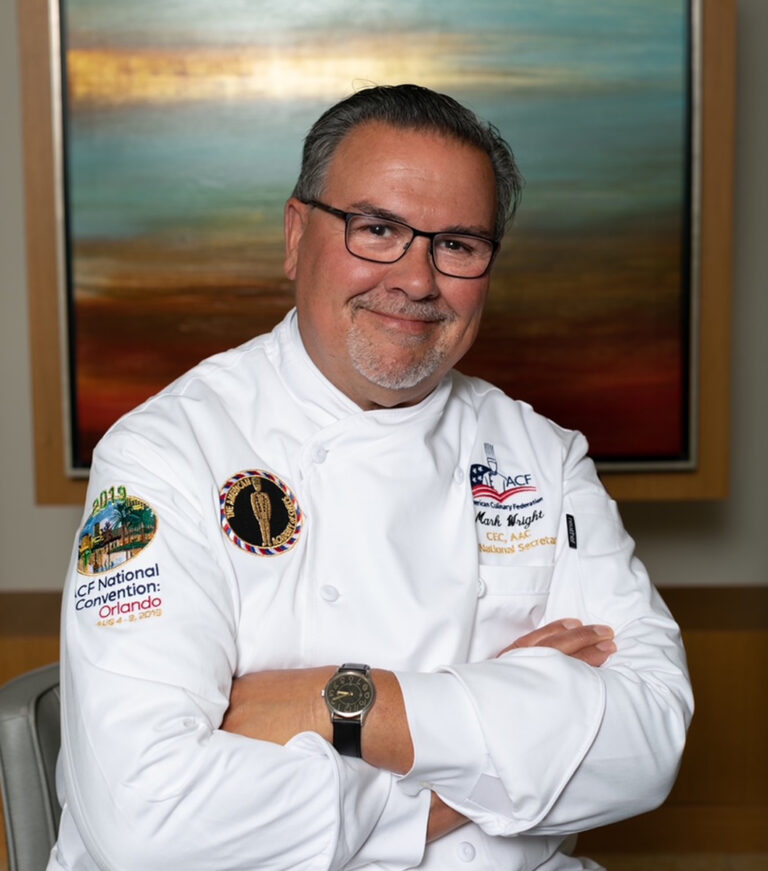
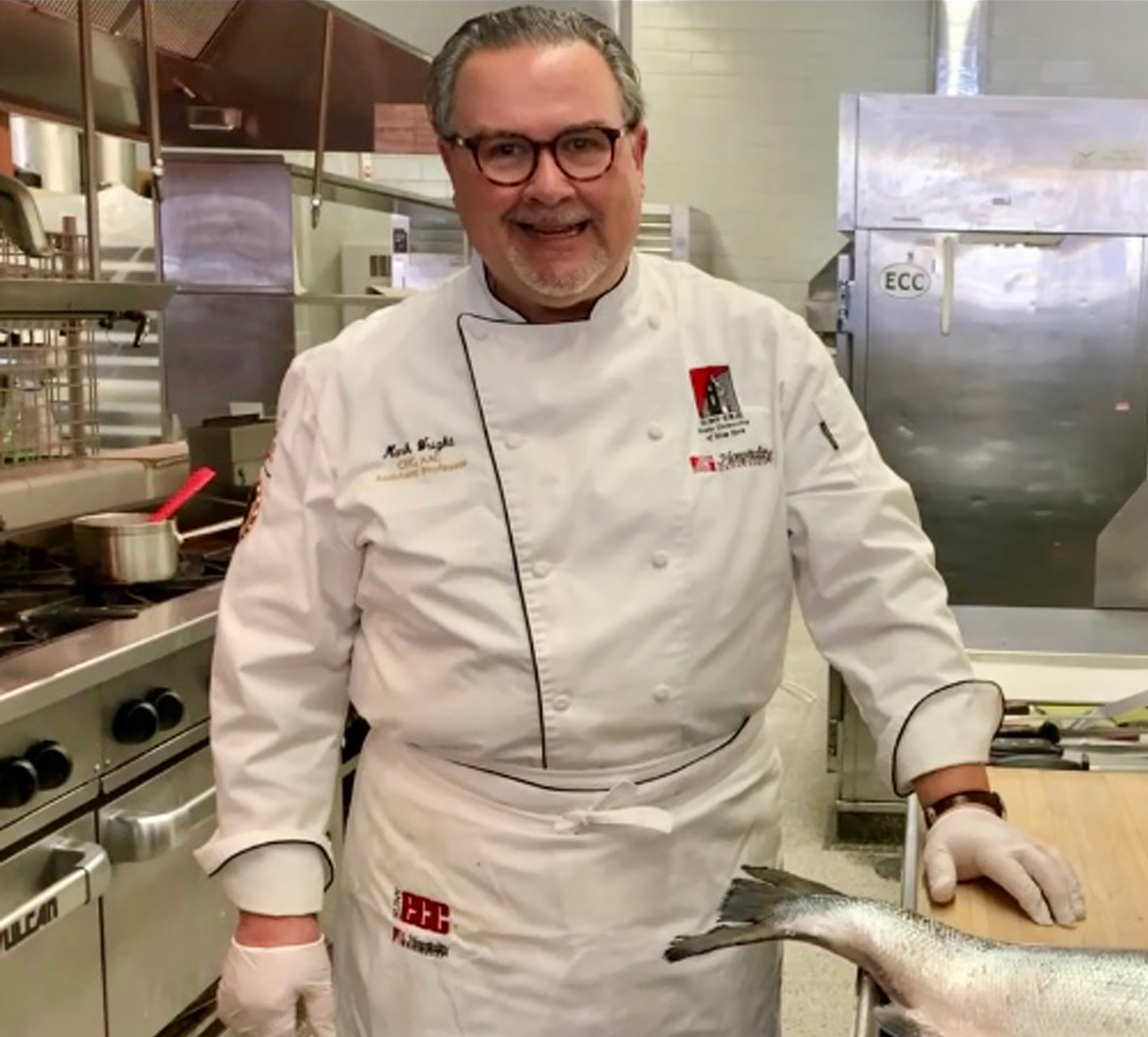
Chef Mark Wright, CEC, AAC

Compassion did not mean compromising learning standards when Mark guided students at Erie Community College. He felt students should not be overwhelmed when they begin college. They will be there for two to four years with plenty of time to overwhelm them after the first couple of semesters,” Mark noted with some humor yet clear concern for students who navigate the transition from high school to college.

Mark’s path to culinary excellence began inauspiciously in the early 1970s washing dishes in the kitchen of Buffalo’s Peppermill Restaurant. He remembers standing in one spot during his entire shift washing dishes by hand, a part-time job he had in high school. From that vantage point, he absorbed back-of-the-house operations. “I enjoyed the hustle and bustle,” Mark said. But it never occurred to him it could evolve into a career. As he approached his high school graduation, he looked around at colleges but the chef for whom he was working suggested culinary school. Erie Community College had a program so he enrolled even though the program’s focus was more on restaurant management than culinary arts.

Mark immersed himself in this new culinary world through his studies and work experience.

“Anything I’ve ever done, I’ve always put a lot of effort into it,” Mark said.

He joined the Buffalo chapter of the American Culinary Federation (ACF) becoming its first Junior member in the early 1970s. He is now the longest active member of the chapter. In the 1970s, ACF members in Buffalo included chefs from around the world who were drawn to Buffalo for its size (10th largest city in the nation at the time), many Clubs, elegant hotels, and large corporations. The International Food Service Executives Association started in Buffalo in 1901 and Ellsworth Statler, a legendary hotelier, built and opened the Buffalo Statler Hotel in 1907, providing many amenities to hotel guests for the first time. Chefs were drawn to the city from the earliest days of the 20th century into the 1980s. “Buffalo was a hopping town,” Mark said.

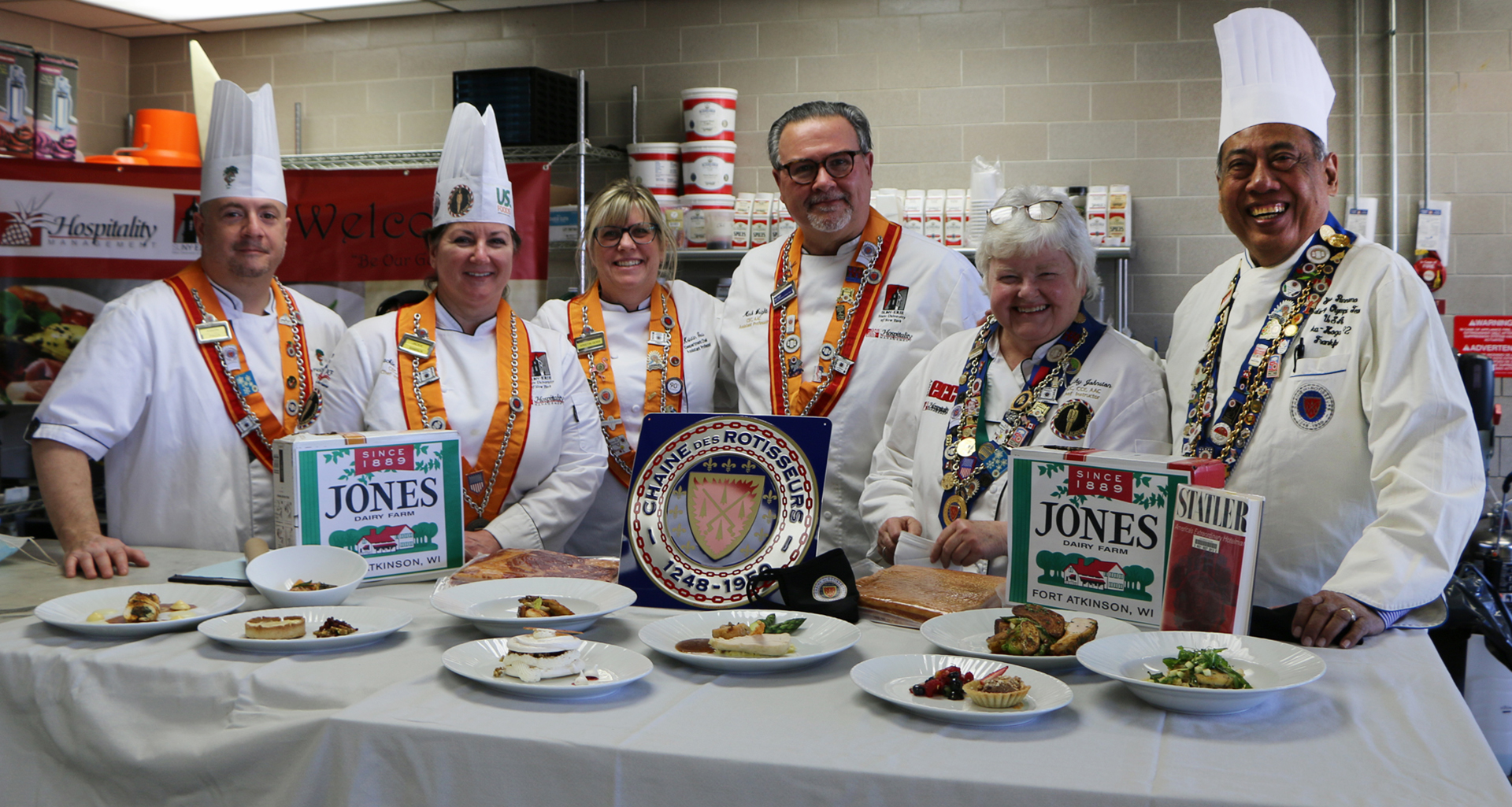
From left, Joseph Baffoe, Gabriella O’Neil (Young Chefs winner) and Chef Mark Wright, CEC, AAC, at the March 23, 2021 Northeast Regional competition held at Erie Community College (Photo: Courtesy of Helen Cappuccino)

After graduating from college, Mark spent 28 years at the Transit Valley Country Club in East Amherst, New York with 25 of those years as Executive Chef. He took stock of his career during this time and could see the day when the pace of 12-hour days would catch up with him. He returned to college at Buffalo State University as a nontraditional student in their Food Systems Management program while keeping his full time job at the Club and raising a family.

As he nurtured his own career and his family, he followed a parallel track nurturing his staff at Transit Valley and then his students at Erie Community College where he worked for 21 years, 17 of which were as Department Chair. “There is no reason anybody needs to work 90 hours per week,” Mark said. As Executive Chef, he put in a few more hours than the traditional 40 hours a week but he never missed his kids’ hockey, football or lacrosse games or his daughter’s cross country meets. He may have shown up in his whites but he was there. And he wanted his staff to do the same. “You have to spend time with your family. You have to spend time doing things you like to do. We all need time off,” Mark said. He would sit down with his staff to plan ahead so requests for days off could be honored most of the time.

He joined the Buffalo Bailliage of the Chaine des Rotisseurs in 1981 and still remembers his first dinner at the Buffalo Club for which he rented a tuxedo. As Chaine’s current Conseiller Culinaire Provincial of the Northeast region, he will serve on the Jury for the 2021 Young Chefs Competition, a much anticipated event because last year’s competition was canceled due to the pandemic. The Northeast Province was able to hold a regional competition in 2021 and will send a chef to the finals at Johnson County Community College in Overland Park, Kansas this June. Other events will take place in Kansas City, Missouri.

From left, Joseph Baffoe and Chef Wright (Photo: Courtesy of Helen Cappuccino)

The ACF and the Chaîne are complementary organizations, Mark explained. The ACF’s accreditation program is second to none in the world. For example, the ACF Master Chef exam is an eight-day hands-on, rigorous examination. “I think it’s the premier exam in the world,” Mark said.

Young culinarians have defined career paths for accreditation through the ACF and scholarship opportunities through Chaine.

“Chaine and the ACF go well together. We’re doing as much as we can to help them and they’re doing as much as they can to help us,” Mark said. It’s always about the students. “We’re there to bring them up,” Mark added.

From left, Joseph Piazza, CEC, CCA, AAC; Jacqueline Bamrick, CEC, AAC; Kristen Goss; Mark Wright; Dorothy Johnston, CEC, CCE, AAC; and Yono Purnomo, CEC (Photo: Courtesy of Helen Cappuccino)

It’s a challenge as never before because of the pandemic, which has changed every aspect of the culinary industry. “It’s tough out there,” Mark said. He believes the “old normal” is in the rear view mirror. The new normal will be smaller restaurants, smaller staffs and less formal environments. He does not see many 150-seat, white tablecloth restaurants in the future. Well managed restaurants that focus on a specific niche will continue to survive and thrive. Currently, family friendly restaurants and plant-based cuisine are popular with guests.

Mark recommends Chaîne members reach out to local culinary schools and programs at community colleges to support young culinarians. National and regional competitions are wonderful but there are many things that can be done on the local level to support the next generation of chefs, Mark said. “We need to put some excitement back in the industry,” he noted.

What never changes is the recipe for success. A restaurant is one team, requiring the back-of-the-house to be regarded with the same importance as the front-of-the-house.

“The front-of-the-house, the Maître d, the servers, the busboys, the bartenders, and the sommeliers are just as important as the chefs and cooks in the back-of-the-house. But the most important person here is not any of these folks but the one washing our dishes,” Mark said. “We need to take care of them.”

Mark’s jar of honey is likely always full.

“It’s got to be a kinder, gentler world out there,” Mark said.

Links

Chaîne 2021 Young Chefs Competition

Chef Mark Wright, candidate for ACF President

John Niser, Ph.D., Leads Fairleigh Dickinson Program with Laser Focus on Students and Guests

March 26, 2021 — John Niser, Ph.D., Director of the International Hospitality, Sports & Tourism Management School at Fairleigh Dickinson University (FDU), does not mince words at meetings, which by their very nature often have reality checked at the door. John faces reality head on and even embraces it. Currently, enrollment in hospitality and culinary arts programs across the nation is a major concern. “Hospitality education in the USA is in grave danger. Enrollment is down everywhere. We have a major problem in five, 10, 15 years to come because we are not producing enough graduates for what the industry needs,” John said to Chaîne during a Jan. 27, 2021 phone interview.

Taking the helm at FDU in 2019, John is studying every aspect of the program to address the current crisis. John said attracting students to the profession is not about advertising job security as many do but rather, better promoting the profession as a lifestyle choice.

Dr. Niser, left center, with some his students (Photo: Courtesy of FDU)

Another hurdle schools face is disinformation about hospitality careers. Parents often question why they need to pay tuition for four years so their children can become waiters and cooks. When John operated hotel schools in Switzerland, families readily invested $250,000 in tuition for their children to qualify for a top level job in the industry. Operating a multi-million dollar restaurant or hotel chain requires high caliber students with excellent skills across many disciplines, John added.

At FDU, he quickly made a few changes that included renaming the Bachelor of Science degree to more accurately reflect its strength in the marketplace. Students completing four years of coursework will now earn a Bachelor of Science in Luxury Hospitality Management. To provide students an immersive experience as they complete requirements for the degree, beginning in 2022, students will spend one semester living and working at The Gasparilla Inn & Club in Boca Grande, Florida. It’s a safe bet that this winter semester will be extremely popular for this course!

In addition, John and his school have completed the renaming of the Bachelor of Arts degree into a Bachelor of Arts in Hospitality and Tourism Innovation and Excellence. John also established a new minor in restaurant entrepreneurship to give students strong business preparation for their careers. John’s dad told him years ago it was very important to have one foot in the Excel spreadsheet and one foot in the operation, meaning it’s important to have a combination of strong business and analytical skills with a firm understanding and appreciation for operations. And as only a dad can impart wisdom, John’s dad told him, “John, management is like riding a horse. It’s about having a steel hand in a velvet glove.” John took that advice to heart.

“We are in a business that has to reinvent itself everyday,” John said. With strong support from FDU’s administration, John is guiding the school to even higher levels of innovation and excellence. They’ve redesigned their entry level Hospitality course. Instead of having students buy and read a $150 textbook, they are given a series of personas. Students must then match service profiles to those personas. For example, a family stopping for a night on the way to a vacation destination probably doesn’t need a tennis court, John explained.

Through this learning process, students construct their knowledge. In doing so, they take ownership of that knowledge, which they are sure to draw on over and over again throughout their career. The value of that construction of knowledge is priceless.

A classroom at Fairleigh Dickinson University (Photo: Courtesy of FDU)

Of course, the pandemic has dramatically altered service needs. Before the pandemic, John said he was more bullish on independent hotels because of how the Internet revolutionized distribution and marketing channels. In general, people are looking for an authentic, genuine experience but because of the pandemic, travelers now want assurances of safety that large chains may be better equipped to provide. John serves on a national committee that is writing new codes the hotel industry will use to describe safety services and features they offer travelers.

It’s a perfect example of putting the guest first and foremost, a key tenet of the FDU program. “We are at the heart of connecting people, of creating safe environments for people, giving them room to enjoy themselves, giving them memories,” John said.

Career path

John came to his career in the Hospitality industry after spending a few years of service. Once that part of his life ended, his dad asked him if he wanted to go to school. It was not the right time for school so in the early 1970s, his dad, a hotelier, put him in a kitchen in Paris. “It was incredible,” John said as he explained how he learned the basics of not only cooking but also the culture of the profession. To an outsider, kitchens look chaotic but John said he learned the order, discipline and respect that was expected of him. He feels that is an extremely important and timeless element in hospitality and culinary careers.

“When I wear my whites, I spend 20 minutes making sure they are really very well ironed,” he said. “There is pride in doing that.” It’s one of many roots he planted early in his career that continues to influence his career today.

John Niser, Ph.D., Director of the International Hospitality, Sport, and Tourism Management School at Fairleigh Dickinson University (Photo: Courtesy FDU)

In French, le geste describes the myriad of physical movements chefs practice to perfection through education and experience. There is not an adequate English translation of the word, John said. As one example, how a chef whisks is elegant and has direct impact on the quality of the end product. The entirety of a ktichen’s le geste is critical to John.

With his practical, hands-on experience, John stayed grounded but soared in his career, ultimately opening many restaurants and hotels for Hilton around the world. As a general manager, he would have lunch two to three times per week with chambermaids in the cafeteria, heeding his dad’s velvet glove advice. He learned about problems he would have had no other way of knowing.

He admits to being impatient, always looking for the next challenge. After succeeding at top level executive positions with Hilton, it was now time to go back to school. He enrolled in Geneva University, falling in love with formal logic as he earned his doctorate in clinical psychology. Upon graduation, with his strong academic background and work experience, he served as the CEO for hotel schools in Switzerland and then in 2005, came to the United States.

The lobby of the Chaîne House at Fairleigh Dickinson University in Madison, New Jersey (Photo: Courtesy of FDU)

FDU’s solid reputation in the industry and its affiliation with Chaîne attracted him to his current position. “The Chaîne is doing a fantastic job not only for FDU but also for a lot of institutions it supports,” John said.

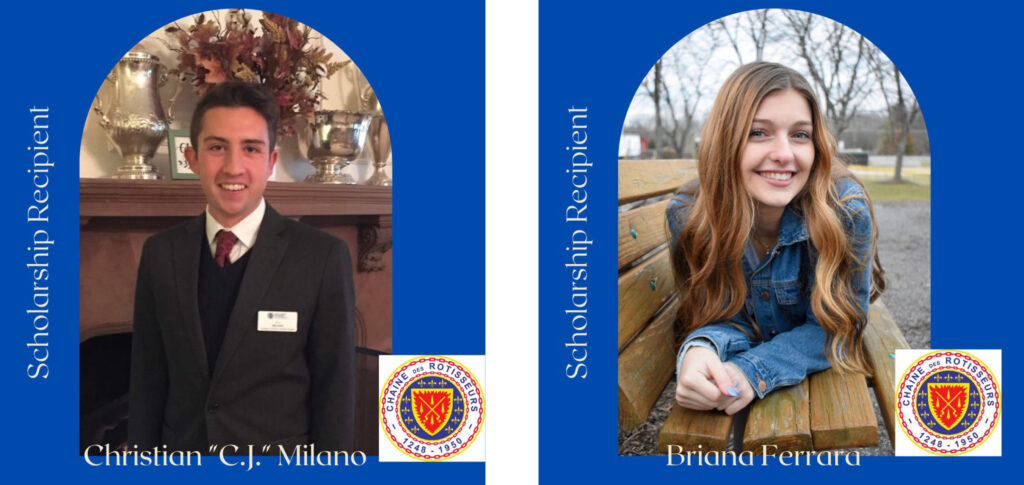
Chaîne Scholarship Recipients (l to r) Stephanie Marotto, FDU student and Naomi Williams, FDU student.

The sentiment is mutual.

“The Chaîne Headquarters, based on the FDU campus in Madison, New Jersey, has enjoyed a 17-year working relationship with FDU’s School of Hospitality that has only gotten better since John’s arrival. John has reinvigorated the working relationship between the Chaîne and FDU and is helping us take this partnership to new heights with both young professionals and the Chaîne Foundation,” Kevin Dunn, Executive Director of Confrérie de la Chaîne des Rôtisseurs, said.

Chaîne Scholarship Recipients (l to r) Christian “C.J.” Milano, FDU student Briana Ferrara, FDU student.

FDU students are beneficiaries of John’s extensive career in both academia and Hospitality. Many years ago John pondered the difference between education and manipulation. He asked a philosopher friend of his to weigh in on the topic. His answer gave John a “ray of light” that he carries as his guiding light. “The answer is extremely simple. Manipulation – you’re decreasing choices. Education – you’re focused on increasing choices,” John said his friend told him.

In his current role, John constantly seeks to increase choices for his students. “If we do that, then we are as human beings, we have a much better chance of surviving rats in this world,” John said.

That’s where his dad’s advice for a steel hand comes in handy.

LINKS

Fairleigh Dickinson University International Hospitality, Sports & Tourism Management School

The Gasparilla Inn & Club (Boca Grande, Florida)

Culinary Hope

Chef Robert Phillips would like to dedicate this Article to the Far West Region Winner, Chef Kyle Pacheco from Santa Fe, New Mexico. He twice won the Far West Region Young Chefs Competition. He passed away in his sleep last week.

From left, Chef Robert Phillips and Kyle Pacheco

March 12, 2021 — When millions of hospital workers walk through the door to report to work around the clock, they leave their personal lives at home to join their second family at the hospital to care for those in need. As the pandemic raged last year, Chef Robert Phillips, director of the Food and Nutrition Department and Executive Chef at Mission Community Hospital in Panorama City, California; Western Regional Vice President of the American Culinary Federation (ACF); and Conseiller Culinaire Provincial for the Far West Province of the Chaîne des Rotisseurs, worked tirelessly to keep those workers not only well fed but also protected. With administrative expertise gained by more than 38 years of experience, Chef Phillips stepped up to help the hospital secure much needed infection control supplies including gloves, hand sanitizer and personal protective equipment (PPE).

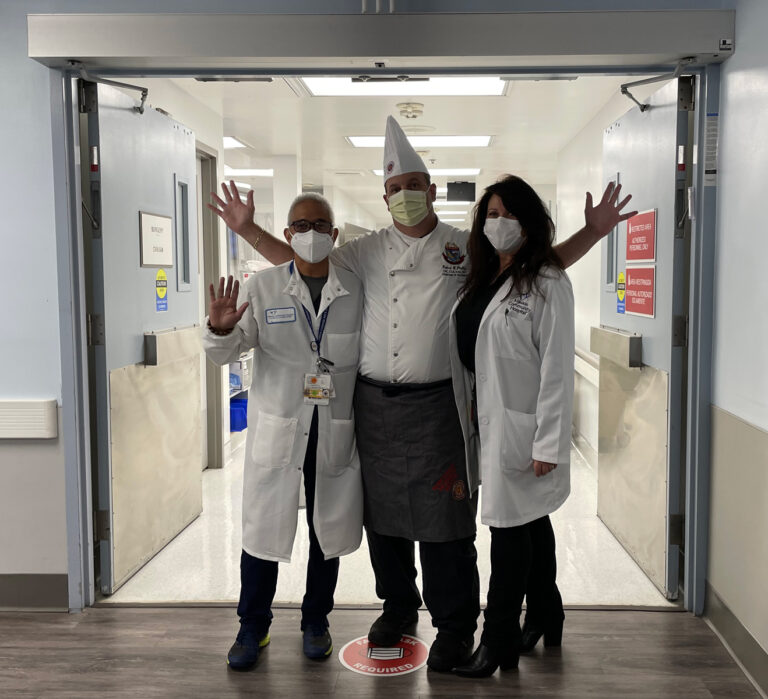
Chef Robert Phillips and hospital staff outside Mission Community Hospital in Panorama City, California (Photo: Courtesy of Chef Phillips)
During the first surge of cases, Robert worked 20 days in a row without a day off and then another 15 days in a row after one day off. Even now as his week is back to more or less a Monday through Friday routine, he has operational responsibility for tents that were constructed outside so his phone is always nearby.

He is first to give credit to healthcare workers.

“Let me tell you. You have some amazing heroes that come in here and do it everyday,” Robert said to Chaine during a Feb. 5, 2021 phone interview.

Chef Robert Phillips with medical staff (Photo: Courtesy of Chef Phillips)
Because of the hard work by Chaîne and American Culinary Federation members, the culinary profession has played an important role in boosting morale for hospital workers in the midst of unprecedented challenges, Robert said.

Last spring and summer, Robert was on the phone for hours each day offering his advice to culinary organizations and negotiating with food and medical suppliers to avoid serious hospital shortages. Supply chain issues did not manifest themselves for a few months until the permanence of restaurant closures became evident. But Robert anticipated increasing shortages as the pandemic worsened. He adapted quickly to plan, prepare and serve more than 1,200 meals per day at the hospital. Robert said through preparing and serving high quality, fantastic meals, many great culinarians are healing minds and bodies during these difficult times.

Chef Robert Phillips and hospital staff (Photo: Courtesy of Chef Phillips)

Mission Community Hospital is one of 5,141 community hospitals in the United States, according to statistics from the American Hospital Association.

Robert’s administrative expertise was especially helpful when prices for products in high demand skyrocketed. Cases of gloves that before the pandemic cost $25 to $27 per case increased to almost $200 per case. Robert found ways to cut $50 – $60 per case as just one example of the mountains he and hospital staff moved to care for their patients. Under direction from James Theiring, Mission Community Hospital CEO, Robert was also asked to purchase hospital equipment.

Chef Robert Phillips at Mission Community Hospital in Panorama City, California (Photo: Courtesy of Chef Phillips)

“The sky is the limit. I am willing to jump in to do whatever and use my expertise to do it. Having been in the Army for about nine years, I served my country so serving the American people as best I can in any way, shape or form is not a problem for me,” Robert said.

Robert was drawn to the culinary profession at a young age.

“Basically I was a juvenile delinquent looking for something to entertain me,” Robert said. He got a job in a kitchen and immediately took to the fast pace. He enjoyed doing difficult tasks others did not want to tackle and then completing them in a timely fashion. Many other aspects of being a chef appealed to him from the creative juices that flowed to the administrative discipline required to operate a kitchen. The job took on new meaning when he realized his work product put smiles on people’s faces. It was definitely the life for him.

After culinary school and ACF apprenticeships in Riverside, California, Robert gained broad experience working as a chef at various locations. Ten years ago, he accepted the job at the hospital.

Chaîne Young Chefs Competition

Giving back to the culinary profession to nurture young culinarians is one of Robert’s top priorities. He works closely with Chef Reimund Pitz and Chef Michael Ty organizing and implementing Chaîne’s annual Young Chefs Competition.

According to the Chaîne website, the first Chaîne des Rotisseurs Young Chefs Competition was held in 1977 in Switzerland to support and promote future young chefs under the age of 27 by giving them the opportunity to demonstrate their skills. Competitions are held at the provincial, national and international levels in countries around the world that have a strong Chaîne presence.

Chaîne US held their first Young Chefs Competition in 1990 that through the years, has attracted national media coverage. Applicants in each of the 10 Chaîne Provinces are selected to compete.

Robert, Reimund and Michael are in the process now of finalizing details for the 2021 provincial and national competitions, which were canceled in 2020 due to the pandemic. Robert said they work to make sure each chef has the same equipment at their station; the judges are educated as to competition rules and criteria; and that the competition is fair. Once regional winners are selected, they are guided and trained for the national competition.

Chaîne’s National Culinary Weekend and Young Chefs Competition is scheduled from June 3-6, 2021 in Overland Park, Kansas. The 2021 International Jeunes Chefs Competition will be held in Paris from Sept. 22-27, 2021.

Robert said he is busy securing a location for the Western Region Provincial Young Chefs Competition and tending to the many details that must come together for his regional competition. They try to recruit six to seven young chefs to compete. Since most culinary schools are closed or have their access restricted because of the pandemic, it’s been difficult to finalize competitors and a venue, Robert added. He and the Chaîne Young Chefs Competition team are being resourceful and persistent to make sure the competitions go forward this year.

Chaîne’s enduring and deep support for young culinarians and the culinary profession has been vital during the pandemic. Bailliages have stepped up to support local chefs and restaurants with virtual events and covered membership dues for chefs and sommeliers.

High Quality Meals Make a Difference

With more than 5,000 community hospitals in the United States, the culinary profession is serving more than six million meals per day at hospitals in all 50 states.

Chef Robert Phillips at Mission Community Hospital (Photo: Courtesy of Chef Phillips)

Robert suggests Chaîne Bailliages reach out to local hospitals deeply impacted by the pandemic to provide healthcare workers high quality, catered meals that support local restaurants at the same time. In addition to his responsibilities at the hospital, Robert worked with 5-Star to send out 80,000 meal kits in Florida last year. Efforts large and small are needed. One special meal can break the monotony for healthcare workers and is incredibly meaningful, Robert said.

“I watch these doctors and nurses fighting for people they don’t even know,” Robert said.

Robert invites Chaîne members to contact him directly for ideas on how to reach out to local hospitals or to support Chaîne’s Young Chefs Competition. Email: Rphillips@MCHonline.org

Links

Chaîne Young Chefs Competition


David Ramey Offers Words of Wisdom on Wine and Life

Feb. 26, 2021 — Growing up an only child in a home where dinner dialogue was merely a monologue outsourced to a television news anchor, David Ramey, vintner, enologist and founder of Ramey Wine Cellars in Healdsburg, California, had a life changing experience as a college student. It would be the first of two experiences that eventually charted his career and life – one and the same.

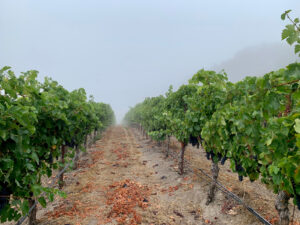
Photo: Courtesy of Ramey Wine Cellars

In the early 1970s, David was majoring in American Literature at the University of California Santa Cruz. For a break, David and his friends toured local wineries and began reading books about wine.

They were invited to attend one of many soirées his friend’s mother, who worked at the University of California, hosted at her home overlooking the Bay Bridge and San Francisco. Guests were research scientists from around the world.

As David took in the beautiful vista while eating dinner and drinking wine, minutes turned to hours. He found himself sharing conversation with people whom he had just met, a new and exhilarating experience for him.

“It was the wine,” David said during a Feb. 10, 2021 interview with Chaîne. “Wine brought people together and held them together. It facilitated conversation. I just fell in love with that.” At the time, he did not connect the experience to a career but a few years later, the stars aligned for a second inspiring moment, also seared in his memory, that has defined his life ever since.

He and his friends were “demographic blips,” David said. They didn’t want to pursue traditional careers but responded to the burgeoning counterculture by approaching life realistically. They needed to make money but were seeking an interesting career. After graduation, David decided to work in a foreign country to immerse himself in a world beyond California. He had studied Spanish so he headed south to teach English in Colombia.

On the way south, he was driving his 1971 green Toyota pick-up, without a radio, through central Mexico where he ended up living with a family for three months. His thoughts turned to his future. Why not make wine, he concluded as though a lightning bolt had struck him? It makes people happy; it’s not bad for the environment; and it’s an aesthetic statement, he reasoned.

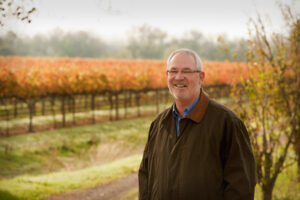
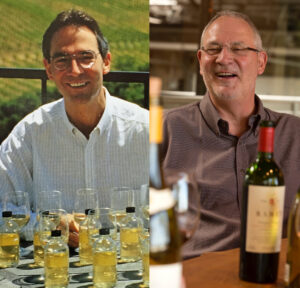
David Ramey, then and now (Photo: Courtesy Ramey Wine Cellars)

A few miles later, doubt crept in. There was no way he could make wine. Then it occurred to him he could learn how to make wine through California’s taxpayer-funded university system.

In 1976, he enrolled in the Master of Science in Enology program at the University of California Davis and spent the next four years learning about wine and the wine industry. His classmates had similar goals. “Most of us were in love with making great wine. That’s what we wanted to do,” David said.

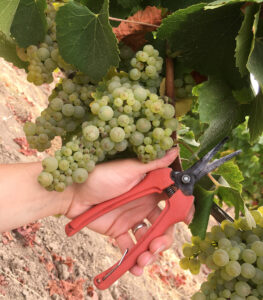
Photo: Courtesy of Ramey Wine Cellars

Coursework included chemistry, biochemistry, microbiology, biology, and fluid dynamics. They didn’t really learn how to make wine but the basic science at its foundation.

“There are four buckets in the wine business. You need to grow grapes, make wine, sell wine, and count the money,” David said. And unless one masters all four, it’s tough to make it in the industry. David knows some great winemakers who could never master the business side. It’s a simple equation. Revenue has to be higher than expenses, David said.

Photo: Courtesy of Ramey Wine Cellars

When he finished his Master’s degree in 1979, it never entered his mind to immediately open a winery. The wine industry was growing by leaps and bounds. All of his classmates who wanted to make wine got jobs as “full charge” winemakers at wineries in the United States. A few others went into sales or finance. But David wanted to learn more about wine by working where wine had been made for centuries. He was the only one of his classmates who went overseas after graduation.

The dominant grapes were Cabernet and Chardonnay; he chose to work in Bordeaux with the Moueix team learning old world methods, followed by a harvest at a large, industrial winery in Australia.

Photo: Courtesy of Ramey Wine Cellars

He returned to the United States after accepting a position with Zelma Long at Simi Winery where, under her tutelage, he learned production management. Five years later he took his first full charge job as a winemaker at Matanzas Creek, which was followed by six years at Chalk Hill.

In 1996, Christian Moueix asked David to come manage Dominus in the Napa Valley, allowing him to make a little Chardonnay on the side, the start of Ramey Wine Cellars. He produced 260 cases for his first vintage, employing old world methods he had learned over many visits to Burgundy. In doing so, he wrote a new chapter, and some would say a new book, for California Chardonnay.

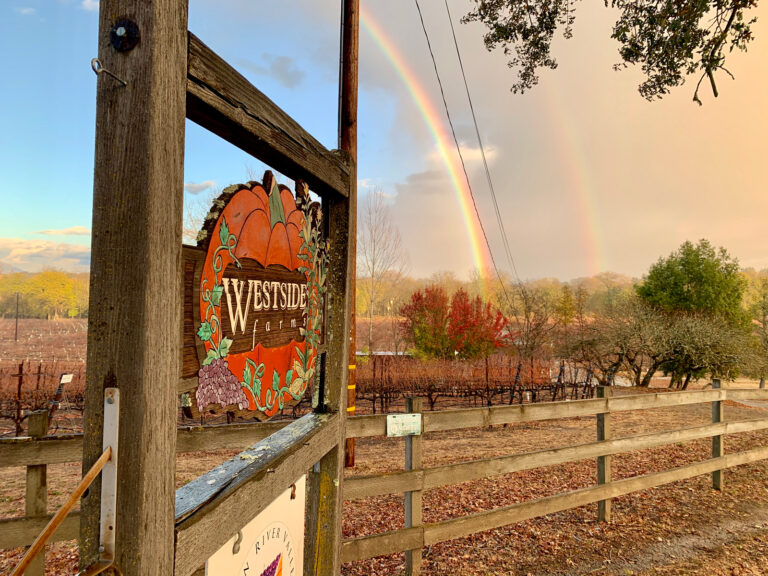
David Ramey at Westside Farms (Photo; Courtesy of Ramey Wine Cellars/McManus Photography)

David explained that in the late 1970s and early 1980s, the norm for California winemakers who made Chardonnay was to use overnight skin contact without regard to temperature. He did not think that made any scientific sense. Leveraging knowledge from his graduate program, he conducted a research project and published a paper with his results.

Photo: Courtesy of Ramey Wine Cellars

He came to the conclusion American winemakers were erroneously applying red wine logic to white wine. In red wine, tannins and anthocyanins, the family of flavonoid pigments that gives red grapes their color, first form a dimer and then a polymer, imparting the wine with its antioxidative properties. Tannins are antioxidative because of their bonds with anthocyanins.

But in white wine made from grapes without anthocyanins, tannins in the skin oxidize. The wine turns brown. He discarded skin contact as a step in making Chardonnay.

David pioneered whole cluster pressing while at Matanzas Creek. He placed a plywood hopper on top of his press and dumped in the vines and grapes – no skin contact, no crushing, and no pumping. It made his Chardonnay wines more delicate and worthy of aging.

“Chardonnay is the red wine of whites because of barrel fermentation and malolactic fermentation,” David said.

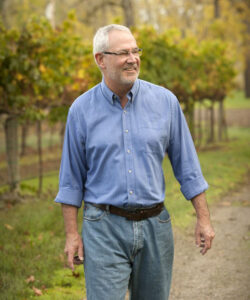
David Ramey walking in Westside Farms (Photo: Courtesy of Ramey Wine Cellars)

Photo: Courtesy of Ramey Wine Cellars

Ramey Wine Cellars has steadily grown over the years. With each vintage, Ramey dispels the ABC moniker – Anything But Chardonnay. They also make Syrah, Pinot Noir and Cabernet Sauvignon varieties.

Before the 2020 pandemic and wildfires, Ramey Wine Cellars was producing about 40,000 cases per year with distribution channels in all 50 states and 28 foreign countries. In 2020, Ramey had to deal with a triple whammy in that the Chardonnay crop yield was significantly lower by “force of nature,” David said. One vineyard that normally yields 18-20 tons of grapes produced only six tons. It had nothing to do with the wildfires because the fires only affected later harvest grapes, he added.

Photo: Courtesy of Ramey Wine Cellars

The winery made adjustments quickly and even though sales were down 30 percent because so many restaurants closed, the winery did not lose money in 2020. “We’re hoping the second half or last one-third of 2021 returns to some semblance of normalcy,” David said.

Wine Cruise
A bright spot on the horizon is this summer’s wine cruise. It will be their third cruise.

In 2010, Food and Wine Trails, a travel company, approached Ramey to plan and conduct a wine tour throughout Italy as part of a cruise. It was so successful they held another tour in 2013 that visited wineries from Lisbon to London. The pandemic forced cancellation of a 2020 cruise in France but is scheduled for June 27-July 4, 2021 on the Rhone River to tour Provence and southern France. A pre-cruise tour of Paris and Champagne from June 24-27, 2021 is an option for travelers. (UPDATE: April 8, 2021 – The cruise has been postponed until 2022.)

Words of wisdom
With more than 40 years of experience as a student, enologist, vintner, winery owner, husband and father, David is a wealth of information on wine and wisdom for life. David and Carla, his wife, have two children who grew up learning the business from their parents. “Claire and Alan grew up hearing mom and dad talk about Ramey Wine Cellars at the dinner table. And they got to drink a little wine,” David said. Claire and Alan now work for Ramey Wine Cellars and are in the process of assuming ownership of the winery and vineyard.

David advises Chaîne members not to make wine too complicated. With few exceptions, high quality wine can be paired with almost any food.

“The most important thing is who you are with,” he said.

There are no dinner monologues in the Ramey home.

LINKS

Ramey Wine Cellars

Food and Wine Trails Ramey Wine Cellars Cruise

Raise a Glass of JCB No 39 to Toast the World

Feb. 12, 2021 — For centuries, Mother Nature and wine gods have protected the venerable Clos de Vougeot vineyards in Burgundy, France, giving generations of vintners sun-soaked slopes, rich clay-limestone soil, water, temperate climate, strong vines to tend, and bountiful fruit to harvest. Capturing liquid lightning in a bottle, Jean-Charles Boisset vividly describes the end result as “magical elixir,” nature’s gift to humankind.

Domaine de la Vougeraie in Burgundy, France (Photo: Courtesy of Boisset Collection)

Jean-Charles, 51, president of Boisset Collection and member of the Chaînes des Rôtisseurs Napa-Sonoma Bailliage, was born and raised in Vougeot, France. Growing up in a home above the cellars of a winery Jean-Claude and Claudine Boisset, his parents, started in 1961 with few resources but barrels of entrepreneurial energy, today Jean-Charles is at the helm of a business deeply rooted in history while forging ahead in the 21st century with an inspired world vision.

From left, Jean-Claude, Nathalie, Jean-Charles and Claudine (Photo: Courtesy of Boisset Collection)

The world suffered mightily in 2020 yet Jean-Charles believes there is a silver lining to the tragic time. To him, it’s not about the need to pivot or adapt. Rather, it’s about life lessons learned.

“I think what’s important is people wish to spend more time together and realize that we need one another. And it’s not about conflicts; it’s about love. It’s not about managing differences but managing what brings us together. It’s about unity,” Jean-Charles said during a Jan. 28 phone interview with Chaîne. “I adore opening a bottle of wine because it means I am with others.”

To support sommeliers who had their world turned upside down in 2020 in a nanosecond, a portion of the proceeds of every bottle sold of Boisset’s Raymond Vineyards Sommelier Selection wines is donated to the United Sommeliers Fund.

And in 2020, Jean-Charles and his team launched JCB Unity, one wine with 100 percent of the proceeds donated to the Association of African American Vintners and Wine Unify. The wine sold out immediately so in 2021, the company will launch another JCB Unity wine with Sam’s Club and a “Reserve Napa Valley” edition at their wineries to grow the donation. Jean-Charles expects to raise about $200,000 for the charities in 2021.

“What 2020 will be remembered for is gratitude; as simply as that. Let’s be grateful for one another,” Jean-Charles said.

Boisset Collection
Under Jean-Charles’ leadership, producing fine wine remains its epicenter from which many other endeavors naturally and passionately flow.

The company’s epicenter is an international network of nearly 30 Boisset Collection wineries that produce wine in some of the world’s most prestigious terroirs, from Burgundy, the birthplace of Pinot Noir and Chardonnay, to the South of France, to California’s Napa Valley and Russian River Valley. The winery his parents founded is now the leading wine company in Burgundy and positioned strongly worldwide.

Raymond Vineyards in California (Photo: Courtesy Boisset Collection)

Realizing Sonoma’s Russian River Valley shared similarities with Burgundy terroirs, in 2003 Jean-Charles brought DeLoach Vineyards, a pioneering producer of Pinot Noir, Chardonnay and Zinfandel, into the family collection.

DeLoach Vineyards in Sonoma’s Russian River Valley (Photo: Courtesy Boisset Collection)

The Buena Vista Winery, California’s oldest and first premium winery founded in 1857, became part of the Boisset Collection in 2011.

Constantly innovating, JCB Spirits is a line of luxury vodkas and gin distilled from Burgundy wine made from Pinot Noir and Chardonnay that includes the first-ever caviar-infused and truffle-infused vodkas.

With recent acquisitions, Jean-Charles continues to share his love of wine and history with the public. It’s a perfect pairing!

Buena Vista Winery (Photo: Courtesy Boisset Collection)

In 2019, Boisset Collection acquired Oakville Grocery in Napa Valley, the oldest continually operating grocery in California, and its store in Healdsburg. An 1874 Victorian house sits on the Oakville property, which Jean-Charles has turned into the Oakville Wine Merchant, a lounge featuring 50 wines by the glass and 350 by the bottle, as well as the 1881 Napa Valley Wine History Museum.

A wine history museum is also located at their Buena Vista Winery in Sonoma and a third museum – the Sacre Vigne Museum – is open to the public in Burgundy, France. All Boisset museums do not charge admission fees.

Buena Vista Wine Museum (Photo: Courtesy Boisset Collection)

The company’s JCB Collection is a suite of Jean-Charles’ personal wine expressions and related lifestyle offerings that includes the JCB Passion Collection by Baccarat, the first stemware line the historic French crystal company has ever launched with a vintner.

JCB Passion Collection by Baccarat (Photo: Courtesy Boisset Collection)

In addition, JCB Collection features a jewelry line; books by Jean-Charles (Passion of Wine: The French Ideal and the American Dream and The Alchemy of The Senses); and most recently, a line of fragrances that are a natural fit with the company’s core expertise.

One way Jean-Charles connects with the world is through JCB LIVE, live broadcasts Monday through Friday during which he and a guest explore wine, art, design, fashion, architecture, history, nature, food and great chefs and the finest things in life. Episodes stream live on multiple platforms to reach thousands of viewers each week and 1.5 million views monthly.

“I think love and passion and pleasure is what it’s all about. And that’s why wine for us, fragrance, jewelry and all what we do is all about the pleasure, whether it’s of the eye, the heart or the emotion. And that’s what makes me vibrate,” Jean-Charles said.

Jean-Charles Boisset holds two bottles of his new fragrance line. (Photo: Courtesy Boisset Collection)

As a testament to his world vision and passion for life, Boisset Collection is an example of a successful social capital business, an aspect of any business that does not require an accountant. For Boisset, that intangible bottom line is reified and reinforced each time fine wine brings families and friends together to share exquisite cuisine and most important, conversation flavored with timeless notes of comity. With his vast business portfolio, Jean-Charles has unlimited capacity to amass social capital worldwide, a torch of unity his ancestors passed to him that ignites his operating philosophy centered on family, passion, history, quality, innovation and a deep commitment to sustainability.

Ancestors
In the first half of the 20th century when two horrific world wars defined the era, rain – and tears – fell softly, then ferociously on French farm fields and vineyards. Winery owners and winemakers in Alsace, Champagne, Beaujolais, Bordeaux and Burgundy carried the crushing yoke of concomitantly feeding the beasts of war and their own beautiful babies whom they hoped would one day inherit the privilege of carrying on viticultural traditions and practices hundreds of years in the making. French citizens risked their lives to help them and their beloved country. During World War II, Jean-Charles’ maternal and paternal grandparents joined the French Resistance to covertly aide Allied soldiers who stormed the beaches of Normandy, dropped from the heavens and scaled the 100-foot Pointe du Hoc cliff with grappling hooks and rope to liberate France in 1944 and 1945.

There are 9,385 American military personnel buried at the Normandy American Cemetery, which overlooks Omaha Beach and the English Channel. The American Battle Monuments Commission administers American cemeteries in foreign countries. (Photo: J. Miller)

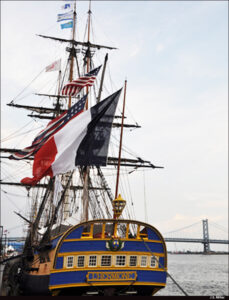
On June 26, 2015, L’Hermione docked in Philadelphia on her tour of the United States to honor the friendship between France and the United States. (Photo: J. Miller)

“When the Americans came in thankfully and gratefully, both of my grandparents actually, my grandfathers helped the forces to be deployed and to bring freedom to France. So it’s been a very close, respectful relationship with the United States, a great love that we will never forget and a great mutual admiration,” Jean-Charles said.

History buffs will recall France and the United States share a friendship that dates to the American Revolution when Marquis de Lafayette and thousands of French soldiers fought side-by-side with General George Washington and rebels in the Continental Army at the decisive 1781 Battle of Yorktown in Virginia. The Treaty of Paris, signed on Sept. 3, 1783 at the Hôtel d’York, sealed America’s sovereignty.

In 2015, a replica of L’Hermione, the ship Lafayette sailed across the Atlantic Ocean to Rhode Island in 1780, navigated the same route across the Atlantic, docked at Yorktown, and visited key ports along the east coast to celebrate the enduring friendship.

That mutual admiration is what motivated Jean-Charles to come to the United States.

“I think it’s very, very, very important to all of us realize the love, the respect, the passion between the two,” he said.

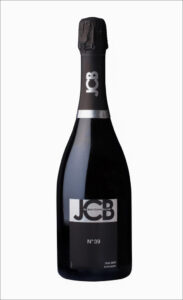
JCB No 39 is a tribute to Jean-Charles’ grandparents. (Photo: Courtesy Boisset Collection)


In a tribute to his grandparents, Boisset’s JCB No 39, one in a line of wine numbered to commemorate history and milestone events, honors his maternal grandparents’ Sept. 26, 1939 wedding anniversary and the idea of adventure, loyalty and commitment. The day after the wedding, his grandfather went off to war, was taken prisoner, escaped, and returned home to join the French Resistance.

Sustainability
Jean Charles’ parents were 18 years old when they started their winery in Burgundy. Jean-Charles, his sister Nathalie and their grandparents were all involved from soil to cellar. In The Alchemy of The Senses, Jean-Charles fondly reflects on spending time with his grandmother.

From The Alchemy of The Senses:
“I would walk through the estate with my grandmother and she would implore us to open our eyes and consider the world around us – to observe it, sense its energy and see its interconnections. She would guide us with her questions.”

With Nathalie, Jean-Charles created Domaine de la Vougeraie to unite the family’s Burgundy vineyards, including one planted in 1110 by Cistercian monks. He instituted the concept of “viniculteur” to produce terroir-driven wine through sustainable organic and Biodynamic farming, practices that he brought to his California wineries as well.

The Alchemy of The Senses book (Photo: Courtesy Boisset Collection)

“If you put pesticides in the vineyards, you will end up having pesticides in your glass of wine and it’s impossible to avoid,” Jean-Charles said.

Mother Nature should always be trusted. “That’s the beauty of the lesson of Mother Nature I learned early on. Let the bees create the magic. Let them be bees: Oh-la-la!” Jean-Charles said enthusiastically.

2021
As the new year begins, Jean-Charles recommends Chaîne members consider collecting wine in addition to consuming it. One vintage ideal for both consuming and collecting is 2018 Burgundy, which was an exceptional year and close to the iconic 1947 vintage, he added. Napa 2016, 2017, and 2018 were also exceptional years.

From Burgundy, France and California to all points around the globe, the magical elixir can have an important role in the year ahead.

“Oceans separate us; wine unites us,” Jean-Charles said.

The wine gods are most certainly smiling.

LINKS

Boisset Collection

JCB Collection

Main photo above: Buena Vista Winery in Sonoma, California

Game Changer: Chef David Danielson, Executive Chef at Churchill Downs

David Danielson joined Churchill Downs as executive sous chef in 2011, elevating to executive chef two years later. Soon to celebrate his 10th anniversary at Churchill Downs during the 147th running of the Kentucky Derby on May 1, 2021, Danielson has guided a remarkable awakening at the country’s largest—and arguably most successful—sports and entertainment venue where food and fans are part of the spectacle.

Reflecting on his decade of experience, Danielson says “I’ve catered for and consulted with a number of large spectator events including the Olympics and the Super Bowl, but I’ve never seen anything like the Kentucky Derby. It may be the greatest two minutes on the field in sports. But there’s also a day-long social, food, and beverage aspect that you won’t find at any other sporting event. At Churchill Downs, we’ve turned the sports and entertainment industry on its head. Our job as a culinary team is to provide an exceptional experience at the level of fine dining for more than 160,000 people in a single day.”

And Derby Day is just a slice of the Churchill Downs pie.

Pastry Chef Pivot to Pari-mutuel Entertainer

In the realm of fascinating culinary stories, at first glance Danielson’s pathway to Churchill Downs seems straightforward. However, it has been anything but traditional for this energetic multi-tasker who confesses that he is a disrupter with a continuous improvement mindset. “If it’s not broken, break it and create something fresh and new!”

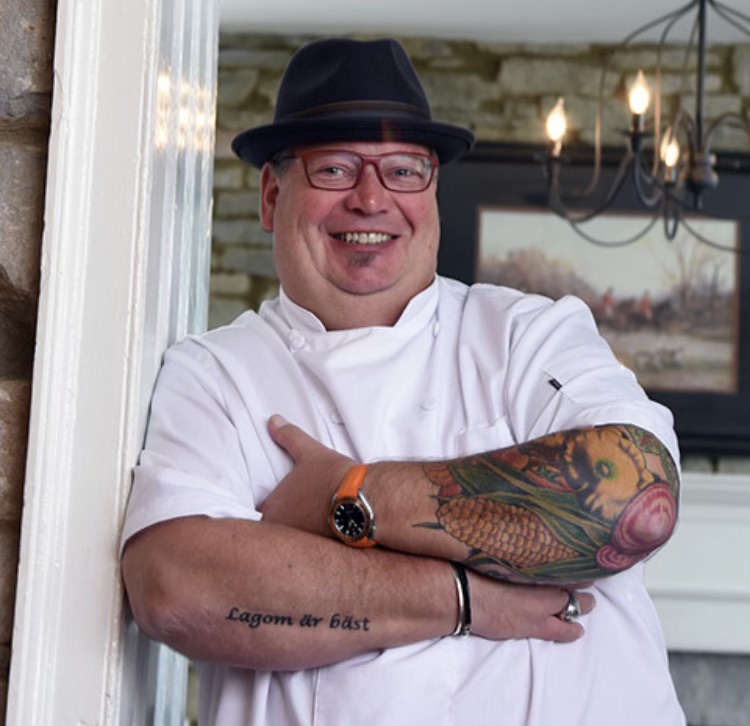
Many chefs are first inspired to cook in the kitchen of a family member. Danielson’s muse was his bread-baking Swedish grandmother in hometown Chicago. They watched Julia Child shows together on television. It’s where he learned the Swedish phrase lagom är bäst (“just the right amount” or “everything in moderation”) which is tattooed on his right forearm.

A humble first job as a teenager—washing dishes at a pastry shop—gave him a window into the world of French cooking. While not everyone would (or could) catapult from a local bakery to a French cooking school, Danielson’s entrepreneurial spirit and can-do-anything attitude was already in full force.

After graduating from the Dumas Pere L’École de la Cuisine Francaise in Glenview, Illinois, Danielson attended the École Hôtelier de Tain-l’Hermitage in France’s Northern Rhone wine region where he apprenticed at several Michelin-starred restaurants. His extensive resume is lined with an impressive array of cooking stints at big-name properties including the Ritz Carlton, Rockefeller Center, and the United Nations Plaza Hotel in New York, and Charlie Trotter’s and the Palmer House Hilton in Chicago.

After returning to Chicago in 2001, Danielson immediately set out to amplify his natural tendency to multi-task. He joined the Chicago chapter of the Chaîne des Rôtisseurs and served as its Conseiller Culinaire for six years. He launched a catering company. He created a consulting company to lend his culinary expertise to major sports and entertainment events including PGA Championships, U.S. Open Tennis Tournament, Super Bowl, Lollapalooza, and the GRAMMY Awards.

Danielson’s big win, the event that turned his head toward the next-gen version of his future, was the 2008 Olympics in Beijing. Passion for large global events was locked in and destined to become his stock-in-trade.

Several years later, an opportunity to sell his catering company meant that Danielson was free to explore new opportunities. That’s when he heard about the opening for an executive sous chef at Churchill Downs. Levy Restaurants, a Chicago-based restaurant and hospitality company specializing in managing food and beverage programs for major sports and entertainment venues, sent him to Louisville right before the 2011 Kentucky Derby. “I came down to visit and really fell in love with the city.”

Culinary Art: “It’s all about the food and the experience.”

Emphasizing his quest for amazing guest experiences, Danielson is fond of saying that “great chefs have the ability to make people stop for a second and think about what they’re eating. When I started cooking, I realized there is magic in being a chef. We have the ability to bring people together, to make them stop and think, and that was an amazing thing for me. It’s powerful and rewarding.”

With supportive backing from the Churchill Downs Corporation, Chef Danielson and his team can ideate, play with new concepts, create and test them, and learn by doing. “Great food and great experiences are at the forefront of what we do.”

At Churchill Downs, Chef Danielson works to create the magic of breaking bread together across the property’s many venues throughout the year. Derby Day is, of course, the centerpiece. Danielson explains, “Unlike other big sporting events where you grab your food and sit down to watch the event, the people who attend the Derby spend an entire day with us for a two-minute race. The Derby experience goes way beyond the sport itself. There is no other sporting event like this.”

When Danielson apprenticed in France, he began to take seasonality for granted in designing menus. Returning stateside to New York, where it is possible to buy almost any food item every day, that soft illusion continued. Back in the Midwest, however, the farm-to-table dining trend had not yet hit its stride.

Danielson says, “When I moved to Kentucky, I was reminded of France, and very intentionally looked for seasonality in the region’s culture and history.” His menus and dining experiences honor and reflect his new Kentucky home. Partnerships with local farmers make it possible to tell the story and deliver comfy experiences to guests.

Monumental Farm-to-Table Dining: Innovation in Scaling Up for Events

If a recipe works for one person, or even for a dozen, will it work for 160,000 people? Chef Danielson’s process for finding the middle ground between fine dining and concession snacks is both intriguing and replicable. His guiding mantra: “put the money where it counts, in food and guest experiences.”

Here’s how Chef Danielson and his team create new menus every year for Derby Day (and other racing and holiday events). This attention to detail is one of Churchill Downs’ brand promises.

New menu items are tasted by different groups within the Churchill Downs family—board members, the culinary team, servers, etc.—before deciding which items will go on that year’s menu board. There are both qualitative and quantitative elements to the test. Did you like it, and why (or why not)? That’s an important data point. But because most food is served buffet style at Churchill Downs, Chef Danielson can quite literally measure how much people like each dish. Serving vessels are weighed before and after tasting meals to determine which dishes should move on to the next stage, which is scaling up for a large crowd.

Most chefs probably do not have to be proficient at using Excel spreadsheets. At Churchill Downs, it’s a must-have basic skill. Every ingredient of every recipe is scaled up from its original serving count to 160,000 portions. These spreadsheets form the “brain” for buying ingredients and preparing each recipe. Every kitchen has venue- and menu-specific spreadsheets clearly posted on the wall for the team. Over time, Chef Danielson has digitized recipes so that any employee can access them on demand using smart phones or other mobile devices.

Then comes the challenge of preparing such a large volume of food at scale so that the result is as tasty as the original “normal” recipe serving. The spreadsheets and digital recipes are a big advantage. In addition, some 60 CVap (controlled vapor) ovens ensure that protein dishes are cooked to the proper temperature and held in that state until time to serve them. This technology was actually invented in Kentucky by Colonel Sanders for Kentucky Fried Chicken. Many chefs use CVap ovens, but typically need only one.

Time is always of the essence for fresh food. Imagine how much time it takes to cook 7,000 pounds of pasta in order to replenish that item on a buffet. With a simple problem-solving innovation using jet-flame burners and woks, Danielson trimmed seven hours in a big vat to seven minutes in a wok. And that’s just one example of how he has used technology to improve cooking processes.

Renaissance Man

Figuring out how to turn the cogwheel of Churchill Downs would be enough of a challenge for most people. But not Chef David Danielson.

2018 was a big year even for a guy who always has many projects going at the same time (in addition to his full-time job) to fuel his creative juices. It was the year he launched The Old Stone Inn and Tavern in a 200-year-old building. Why? “I wanted to get back in a restaurant kitchen myself and bring history to life by telling the story of this beautiful building.” Unfortunately, the restaurant closed in March 2020 due to the pandemic and because Danielson’s adaptive skills and leadership focus were needed at Churchill Downs to prepare for the first-ever postponed Kentucky Derby (which eventually took place with no spectators on September 5, 2020).

Danielson also published a cookbook in 2018 with co-author Tim Laird, the now-retired CEO of Brown-Forman. Edward Lee, chef/owner of Louisville’s 610 Magnolia restaurant, wrote the forward for “The Bourbon Country Cookbook. New Southern Entertaining: 95 Recipes and More from a Modern Kentucky Kitchen.”

Chef Danielson has several rashers of new ideas cooking for his 10th anniversary in 2021 and, if all goes well, the 147thKentucky Derby and Oaks on April 30/May 1. While details are still being sorted out, and back-up plans generated for the possibility of another COVID-related interruption, this year’s innovation will be all-inclusive food and event tickets. Guests will be able to visit any number of socially distanced food stations spread throughout the property. (Premium ticket holders will continue to access reserved venues but may also explore new food concepts in other parts of the property.) This strategy is certain to create a “wow” factor, once again assuring that Churchill Downs remains fresh and engaging for its guests.

Matt Winn’s Steakhouse

Matt Winn’s Steakhouse is stunning testament to Chef Danielson’s tenacity and creativity. It also speaks volumes about Churchill Downs’ trust in his leadership and judgement.

Remarkably, the new restaurant opened on July 29, 2020, in the midst of the COVID pandemic with no apparent sacrifice to quality, charm, or ingenuity from the health and safety measures built into its design. Unlike other race-day venues at Churchill Downs, Matt Winn’s is open to the public for dinner four days a week, Wednesday through Saturday.

Who was Matt Winn? Perhaps the most important person ever associated with the history of Churchill Downs. Chef Danielson channeled Winn’s spirit as an innovator and change agent to create the new steakhouse.

A young Matt Winn attended the very first Kentucky Derby race in 1875, when he was only 14 years old, and every race thereafter until his passing in 1949. In an era when the popularity of horse racing was faltering, Winn established many enduring Derby traditions including the official Mint Julep glass, the Derby Trophy, and the epic garland of roses bestowed upon the winning Derby horse. “Room 20,” Winn’s private room for drinking and gambling at the track, has been faithfully recreated within the new restaurant.

The steakhouse strikes a perfect balance between Winn’s traditions and Chef Danielson’s sparkling modern influence. Upon entering the restaurant, guests get a stunning visual introduction to the restaurant’s extensive Bourbon offerings, including the Corti Brothers’ Van Winkle Special Reserve from the 1960s and 70s, among the rarest Bourbons in the world.

The carefully curated wine list offers nearly 700 bottles of excellent international offerings, including a robust by-the-glass program.

Guests can choose between a Chef’s Tasting Menu or a dinner menu rooted in Kentucky specialties with a French twist. Borrowing from the Michelin-star restaurant tradition of gueridon service, enthusiastic tableside servers present three custom-designed trolleys for charcuterie, seafood, and delectable desserts.


Churchill Downs VIP Parking Gate
750 Central Avenue
Louisville, KY 40208
(502) 636-4888
Reservations on OpenTable


Links

Matt Winn’s Steakhouse https://mattwinnsteakhouse.com

Churchill Downs https://www.churchilldowns.com/ and https://www.churchilldownsincorporated.com/

Levy Restaurants http://www.levyrestaurants.com/

The Bourbon Country Cookbook: https://atasteofkentucky.com/product/the-bourbon-country-cookbook/ or amazon.com

Janie Brooks Heuck Approaches Life with a Wine Glass Half Full

Dec. 20, 2020 – Pascal Brooks, owner of Brooks Winery located in Oregon’s Willamette Valley, and Janie Brooks Heuck, Brooks Winery managing director, Pascal’s aunt and member of the Chaîne Monterey Bailliage, are featured prominently in American Wine Story, a 2014 documentary film. Pascal and Janie are carrying on the legacy of Jimi Brooks, Pascal’s father and Janie’s brother. A larger than life personality, Jimi founded Brooks Winery in 1998 with a deep commitment to ancient farming practices he learned in France and old vine Riesling grapes he grew in Oregon for his annual vintage that was beginning to attract attention in 2003.

Jimi Brooks with his son, Pascal, two months before Jimi passed away in 2004. (Photo: Courtesy of Janie Brooks Heuck)

When Jimi passed away suddenly in 2004 just as the year’s vintage was ready to harvest, Janie stepped in to help with business operations. To her amazement, local growers and wineries willingly pitched in at no cost to make sure Brooks had a 2004 vintage. Janie stayed involved and became Brooks’ managing director.

Today she is the driving force behind the winery’s steady growth from producing 3,000 cases of wine in 2005 to 20,000 cases in 2019 while holding steadfast to Jimi’s ideals and philosophy. Janie works each day to make sure she manages Brooks so it is thriving if Pascal, 24, decides he wants to take it over, Janie said to Chaîne during a Dec. 1 phone interview.

Following in his dad’s footsteps, Pascal went to France to work harvest after he graduated from college and did so at the same vineyard where Jimi worked. Pascal is named after Jimi’s mentor in France. Janie wrote a story about the two – When Pascal Met Pascal – that is a touching tribute to and window into Jimi’s legacy.

Pascal Brooks works harvest 2020 at domaine Ostertag in Alsace. (Photo: Courtesy of Janie Brooks Heuck)

Janie herself has cultivated deep roots in the wine industry. She is the President of the Board of Directors of the International Riesling Foundation; Chair of the Board of Wine America; and on the media committee for the International Pinot Noir Celebration.

Janie Brooks Heuck

Willamette Valley
In a sense, the 150-mile long Willamette Valley is Oregon. Cradled on three sides by mountains, Oregon’s largest cities dot the valley in succession with Portland near the Washington border to the north, then Salem and Eugene to the south. To the east are the Cascade Mountains. To the west over the mountains is the Pacific Ocean. To the south is Chehalem Mountain, the valley’s tallest mountain.

In American Wine Story, viewers meet Dick Erath, an early viticulturist who came to Oregon in the 1960s after studying its climate. His research told him the Willamette Valley terroir was similar to some of the best wine growing regions in France.

In 1968, Dick planted his first vines, including Pinot Noir varieties, on Chehalem Mountain. The rest is history. Award winning Pinot Noir, pioneered by Dick at Erath Winery, and award winning Rieslings, pioneered by Jimi at Brooks Winery, are just two of more than 500 wineries in the region today.

USA Today named Brooks a “Top 5 Must Visit Oregon Winery.” Wine & Spirits Magazine named Brooks a “Top 100 Winery of 2019.” There are other awards but Janie is most proud to be the first winery in the world that has been certified as: 1) a B Corp for commitment to community and sustainability, 2) a 1% For the Planet company giving 1 percent if its revenues to an approved environmentally-based nonprofit, and 3) a certified Demeter Biodynamic company that Jimi so passionately researched and implemented.

The mark of an exceptional company is not only handling accolades but also handling adversity. Approaching both the same way takes courage of convictions. 2020 has thrown adversity at everyone but think of getting ready to harvest your season when events outside of your control force a decision to entirely shut down both harvest and production.

2020

Nothing could have prepared Janie, her dedicated team and her more than 20 growers for 2020. First it was COVID-19. Brooks adapted with curbside pickup for food and wine when their Tasting Room, with a full menu developed by Executive Chef Norma Buchholz, closed in March.

Brooks Winery Tasting Room (Photo: Courtesy of Janie Brooks Heuck)

Their existing online Wine Club continued and remained their most stable revenue source through spring and summer. They were able to reopen their Tasting Room in June. With fall approaching, they were excited for harvest with a forecast for a smaller yield but excellent vintage, Janie said.

Then a second nightmare in an already difficult year struck. What the virus couldn’t do, Mother Nature did.

A rare weather event on Labor Day, with 50 to 75 mile per hour winds, oddly blowing from east to west, fueled new wildfires and blew smoke from existing wildfires burning to the east. A stubborn curtain of smoke hung over grapevines in the Willamette Valley, including Brooks in Amity. Janie heard the area had not experienced a similar weather event, called an inversion, since 1933. In 1933, the nation was in the middle of the Great Depression. In 2020, it’s a viral pandemic.

After consulting experts at Oregon State University, Janie made her decision in a matter of days, not weeks. Brooks Winery would not have a 2020 vintage of their famous Riesling and Pinot Noir varieties. Because smoke had lingered in the valley for days, the risks were too high that the grapes had suffered lasting damage even if initial tastings indicated otherwise, she said.

“The investment in resources to get to an output of potentially okay wines; it just didn’t make sense for us,” Janie said.

Her first priority was caring for her employees and 28 growers. She launched a Growers Relief Fund to honor as much of her existing contracts as she could. She called her growers early to tell them. Many were unaware of the pending disaster from the smoke. “I wanted everyone to feel taken care of but I also wanted to keep my contracts for next year,” Janie said.

Pascal Brooks, left, and Chris Williams, Brooks Winery chief winemaker (Photo: Courtesy of Janie Brooks Heuck)

She decided 5 dollars from every bottle of white and 10 dollars of every red they sold online or at their Tasting Room from Oct. 1, 2020 through June 30, 2021 would be directed to the fund. For her efforts in support of her growers, Janie was recently nominated for the Wine Industry Advisor: Wine’s Most Inspiring People recognition.

“It feels good. I wouldn’t be able to sleep at night if I didn’t take care of my growers,” she said.

In February 2020 before COVID-19 or the smoke, Brooks launched a new website with a foundation in eCommerce so they were able to mitigate both disasters through a strong virtual presence.

“Lucky for us, I have a team who is gigantically creative and energetic and of course, all want to keep their jobs and so we implemented a lot of different things between the middle of March and when we were able to reopen in June,” Janie said.

Janie started a weekly online newsletter to connect personally with her customers. In the fall, she started monthly Beyond Brooks virtual events through which she partners with a company producing a companion product. In October, Brooks teamed up with Durant Olive Mill, also based in Oregon, for an interesting seminar on how flavored olive oils change the taste of wines. “It’s a little geeky,” Janie said but then quickly points out that people appreciate its entertaining and educational value.

The Beyond Brooks January 2021 event

On Jan. 16, 2021, Beyond Brooks will feature another virtual event – Brew Dr. Kombucha and Teahouses of Portland, Oregon. Registration is now open.

Janie is hosting a plethora of virtual tastings and in October, she partnered with Sheri Allen for a Chaîne pairing event that was very popular. Janie said she and Sheri are looking forward to doing more events together for bailliages.

“It was a great pleasure to have the opportunity to work with Janie for the National Chaîne Wine and Cheese presentation. The passion that Janie brings to directing Brooks Winery brought an energy to the event. As we prepared for the pairings, Janie sent me the wines she selected which I then could better choose the right cheeses that made the wines spark and compliment the cheese. I was inspired by the story of Brooks winery and the certifications they have achieved with being a B Corp.  Knowing several cheesemakers that are a B Corp it made the synergies even more special. The wines are exceptional. I joined their club membership to get more varieties shipped regularly and participated in their Beyond Brooks monthly pairing webinars, a fun, educational format that Janie has developed. I look forward to working with Janie on future pairing projects,” Sheri said to Chaîne in a Dec. 4 email.

COVID-19 wreaks havoc again

To add more than an insult to injury, COVID-19 reared its ugly spikes again resulting in another state shutdown to stop the spread of the virus. With just one day notice, Brooks had to close their Tasting Room for two weeks in November. “It’s exhausting,” Janie said.

Janie definitely has a wine glass half full though. “We’re hoping we’re going to crush it with our little holiday market. Our Chef is making items from her regular menu that can be shipped,” she said.

Brooks Winery Tasting Room December Menu

Outdoor seating for their Tasting Room opened on Dec. 3 prompting Janie to again think creatively to accommodate her customers. They installed a fire pit but she advises people to bring a blanket!

With beautiful views and great food and wine, Janie is sure the experience will be an excellent one.

“When you come to Brooks, you feel our story,” she said. And the wine glasses are always full.

Links

American Wine Story (2014)
Brooks Winery
Brooks Winery Holiday Market
Durant Olive Mill (Oregon)