
March 15, 2024 – Located on 170 acres bounded by cliffs overlooking the Hudson River in Hyde Park, New York, about 90 miles north of New York City, The Culinary Institute of America (CIA) is known worldwide for its stunningly beautiful campus. But its real beauty is what it delivers for students, a life changing educational path to successful culinary careers. Chef Patrick Mitchell, Class of ‘81, is a case in point. After hearing about the school from a friend and visiting, he sealed his future. “I fell in love with the school. Oh my gosh, that’s definitely what I want to do. But how am I going to pay for it. I have no idea,” Chef Patrick Mitchell, CEC, AAC, FWMCS and Chaîne Professional Member, said to Chaîne during a March 1, 2024 telephone interview.

Tough love for tough kids is one thing but tough love for good kids is quite another, one that forges grit, an unwavering determination to persevere to attain a goal. Patrick’s father spent his career in the Air Force, a familial military legacy he carried on by marching in the footsteps of his own father who succumbed from injuries sustained in World War I, when Patrick’s father was a boy. “My father fought for everything he had so he thought that was the way we should grow up. So we did. I think it made us stronger and better,” Patrick said.
That’s not to say he and his father always saw eye-to-eye but upon reflection, Patrick is thankful for his upbringing in a strict military family that afforded him many unique opportunities only available to other children in their dreams. Even as a preschooler, food made an impression on him. He remembers living in Turkey and returning to the United States via Paris where he ate his first croissant with orange marmalade. He didn’t care for the marmalade’s bitter taste but the culinary experience found a secure spot in his long term memory. “Now I love orange marmalade,” he said.
Even though he lived in multiple cities. he found home base in kitchens as he would gravitate there to play and help his mother cook scrumptious meals for their family, another notch in his long term culinary memory. “My mom was a good cook. When I got into the industry she loved it. She was so proud of the fact that I was a chef. She was on top of the world when I went into cooking,” Patrick said.
Hopscotching from base to base throughout the United States, the family eventually settled in south Jersey upon his father’s final assignment before retirement.
Cutting the cord and fending for himself after high school, Patrick worked as a dishwasher as an introduction to commercial kitchens. “I knew I didn’t like washing dishes. I would get caught up on the dishes, then go over to see what the guys were doing on the line and help out. Dishes would pile up and I’d go back and clean them, then head back to the line and do it all over again. I got hooked,” he said.
The Culinary Institute of America (CIA)
His future became crystal clear after learning that just a few miles up the road, The CIA was training world class chefs and hospitality professionals. The school began in New Haven, Connecticut in 1946 to educate soldiers returning from World War II. From 50 students their first year, by 1969, more than 1,000 students were enrolled. In 1970, the school moved to Hyde Park after purchasing the campus of a Jesuit seminary that closed in 1968.
“The campus is just phenomenal. I got immersed into culinary. I did my fair share of partying off campus, like most college students, but every minute I could, I spent in the resource library looking at videotapes, watching, seeing how to do different techniques. And the instructors were amazing. It was life changing for me,” Patrick said.
To afford tuition, he cobbled together scholarships, grants, and loans, and worked as a short order cook on the weekends at a campus coffee shop that was more like an east coast diner. His girlfriend, now his wife of 42 years, would come up to visit and they would have picnics by the river. “It was a great, great time,” he added.
The CIA’s curriculum cadence is two semesters in classrooms/labs and then one semester of an externship followed by two final semesters on campus. For his externship, Patrick worked at a New Jersey restaurant under a CIA trained chef, an experience Patrick describes as “great.”
New Orleans
As graduation approached, the CIA hosted a job fair at which Patrick interviewed with The Royal Orleans Hotel in the French Quarter. They offered him a job on the spot as their Assistant Garde-Manger so after graduation in February 1981, he packed his bags and drove to New Orleans to start the first chapter of his professional career. It didn’t take long for a baptism by fire.

By the time he arrived in New Orleans, the Garde-Manger chef had quit so the hotel hired a new chef. But after working for the hotel for just one month, they offered the job to Patrick when the new chef did not work out. “I jumped right into the role,” Patrick said. He seized the opportunity by immersing himself in his job and networking with other professionals through the local chefs association.
As a great food city, the culinary scene bustled with talent showcased at times through local competitions. Young and energetic, Chef Mitchell suggested they broaden their reach by hosting an American Culinary Federation (ACF) competition. He respectfully said to the group, “This is New Orleans. Don’t you guys know where you’re at?” The group agreed and gave him the task of organizing it.
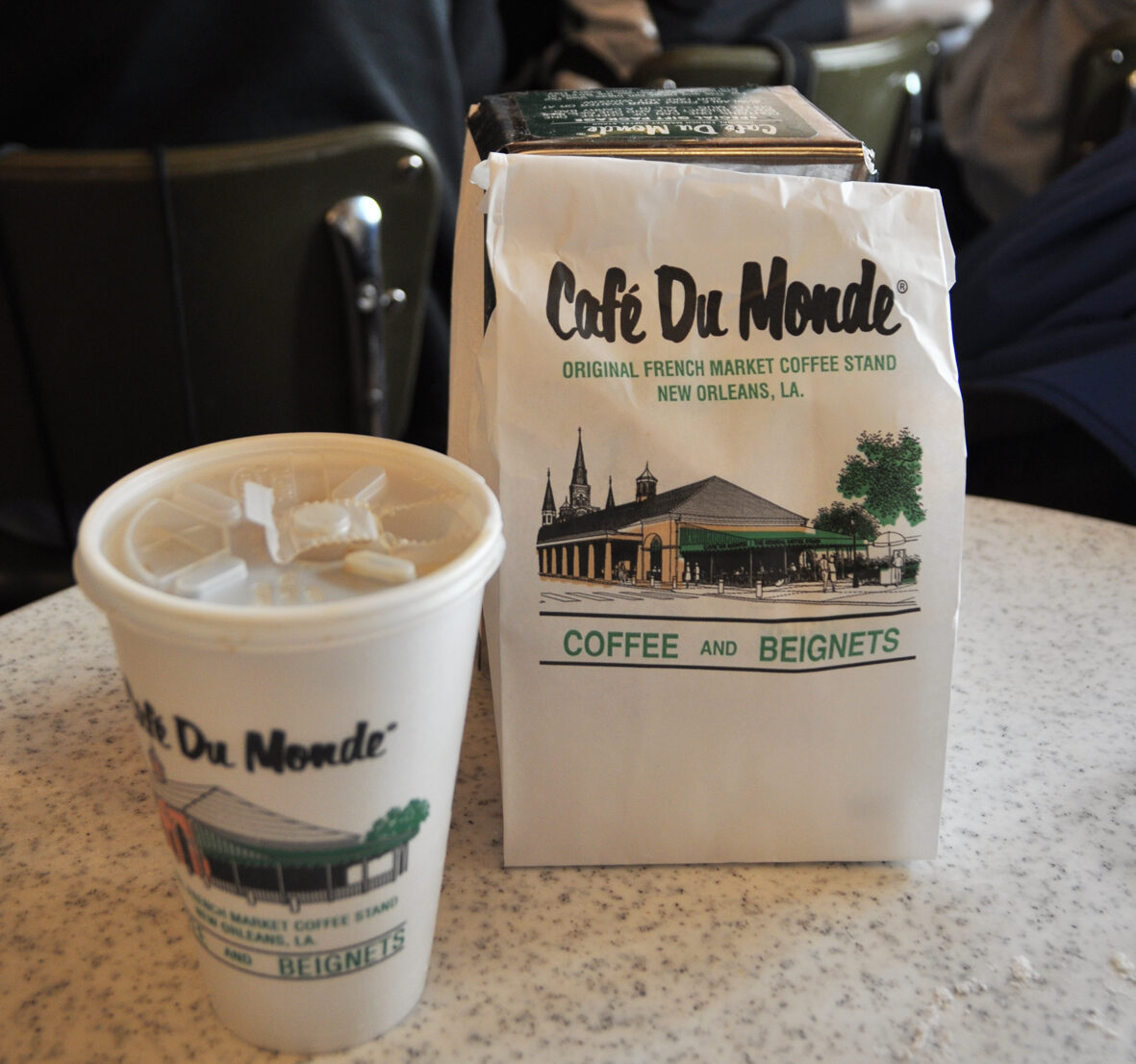
Patrick’s willingness to promote his profession beyond the walls of his kitchen paid off many times over. By serendipity, K-Paul’s Louisiana Kitchen, founded by Chef Paul Prudhomme, was a stone’s throw from The Royal Orleans. Chef Prudhomme offered to donate prize money for the competition but wanted to remain anonymous. However, Paul wanted to guide Patrick through the process of the competition so once per week, Patrick met with Paul at K-Paul’s between lunch and dinner. Paul’s staff would bring dishes to taste and approve for service that night. Chef Paul would always have Patrick taste them as well discussing culinary nuances and the upcoming competition. Only a few years from his time washing dishes, Patrick was now meeting professionally with one of the top chefs in the country. “I think now about those times and what a great experience it was. I knew it was great then but I didn’t realize a fraction of the magnitude of it. He was a great, great man,” he said.
Patrick’s interest and involvement in culinary competitions began even before he enrolled in the CIA. When he applied, he was working for a country club in New Jersey. With his acceptance letter in hand and about eight months to go before his first semester, the country club closed. He was out of a job, a serious setback in his plan to finance his education. So he took a job as a waiter at a hotel along the New Jersey Turnpike. Chef Arthur “Artie” Dupre led the kitchen, quickly taking Patrick under his wing after recognizing he was a duck out of water in the front of the house. He brought him into the kitchen taking a personal interest in Patrick’s professional growth. He didn’t hesitate to enter Patrick into a culinary competition in Philadelphia, coaching him how to prepare and present a pork loin. Artie also entered the competition preparing a Grand Buffet by himself while helping Patrick.
Patrick was fortunate to have such a dedicated, talented mentor so early in his career. It surprised Patrick as he took the job strictly for financial reasons but he developed a tremendous amount of respect for Artie and was afraid to tell him he would be leaving soon. When he finally did break the news, Patrick said Artie was “over the top excited for me.”
“The impact those months had on my career are unbelievable when you look back at what Chef Artie exposed me to, introduced me to,” Patrick said.
Dallas
Now in New Orleans channeling Chef Artie and his CIA degree, Patrick flourished. In 1984, a headhunter contacted him about an opening in Orlando. He interviewed and was hired but before he moved to Florida, a former colleague heard he was leaving and told him the Four Seasons Dallas was looking for a Garde-Manger. Encouraged to at least interview for the job, he did. The offer was better than Orlando so Patrick moved west instead of east. “I’m glad I did,” he said. “I’ve never heard from that headhunter again.”
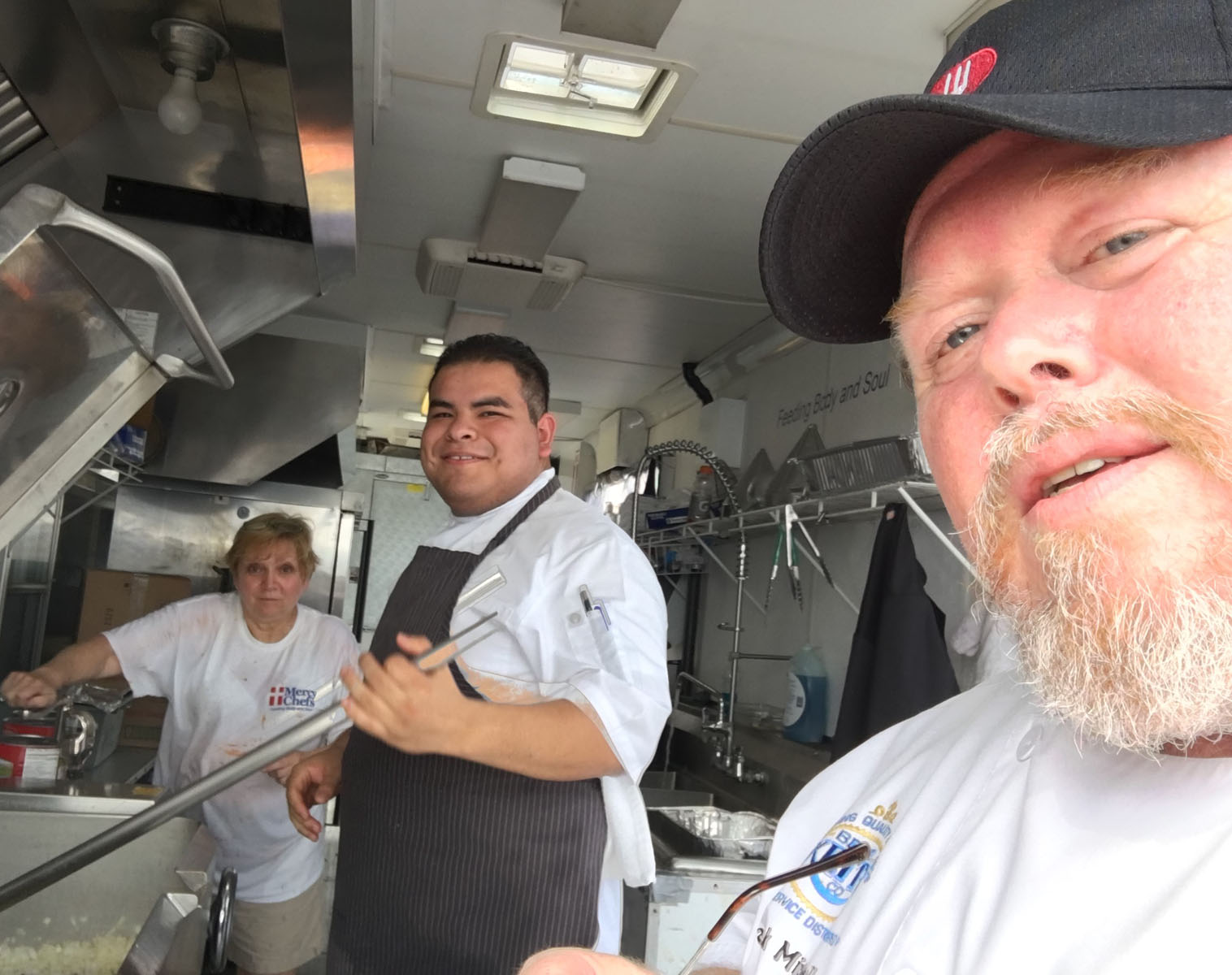
On the job for a couple of years, Marriott bought the Four Seasons giving Patrick a path for promotions to Banquet Chef, Executive Chef and then as their Food and Beverage Director. “I’m glad I went with Marriott,” he said.
Always looking for the next challenge, after 23 years with Marriott, Patrick left to help open a Great Wolf Lodge in Grapevine, Texas and since 2008, has been with Ben E. Keith Foods, first with their Dallas/Fort Worth division and now at their General Office as Corporate Culinary Ambassador. He consults with customers from all 10 of their divisions on a myriad of responsibilities including menu development, kitchen flow, new items, costs and any other need that bubbles up from their customers.
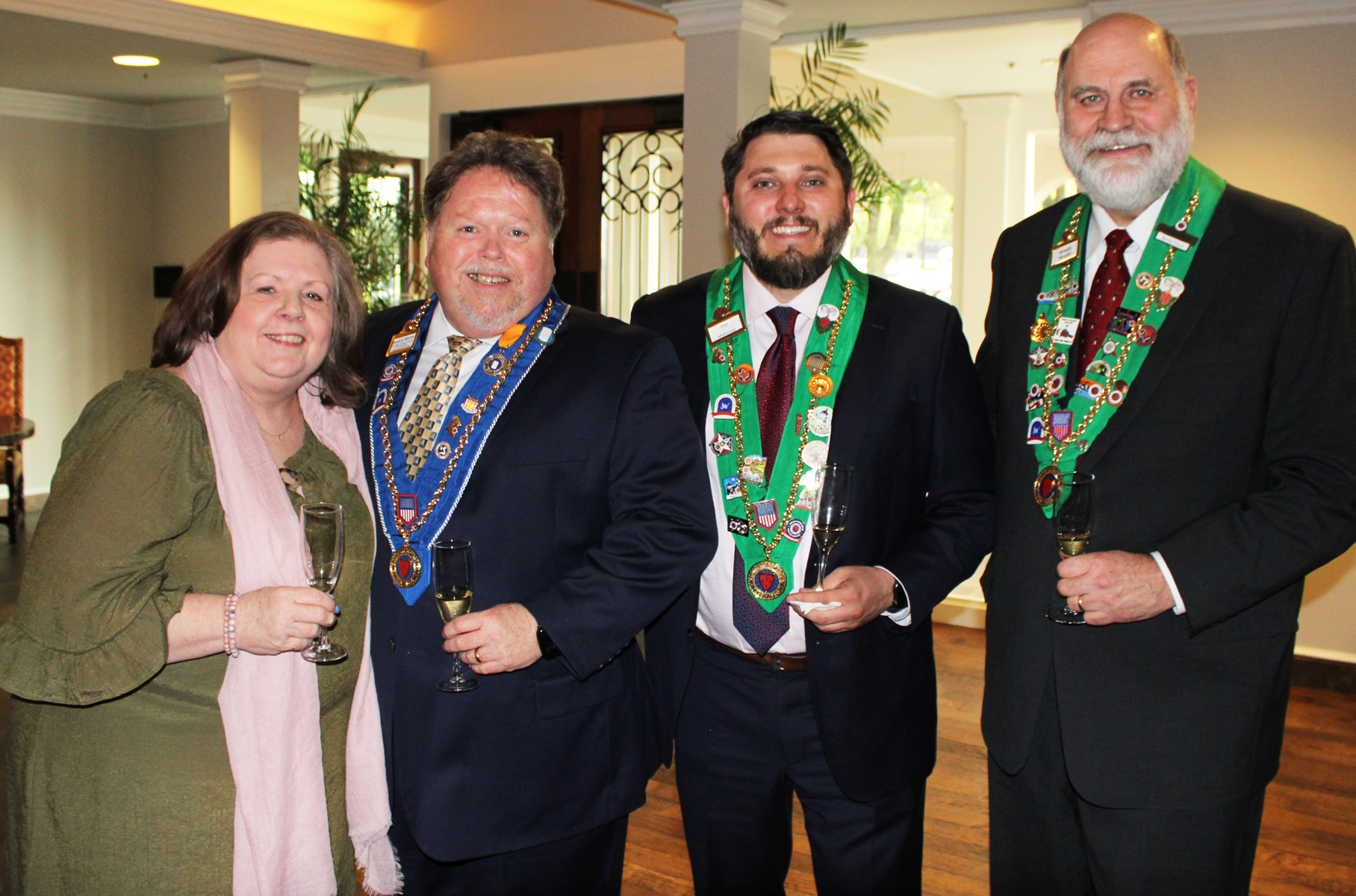
Continuing his innovation for professional outreach that has defined his career from his early days in New Orleans, Patrick is currently helping support chefs in cities where the company does business by organizing “Chefs Luncheons.” The late Chef Willey Rossell started the idea in 1993 with the notion that chefs gather once a month to break bread with one another, just the chefs, a lunch “for the chefs, by the chefs,” Patrick explained. “Chefs get to know each other and talk about things they have in common.”
Ben E. Keith provides the food to one chef who hosts the luncheon. It’s not a sales meeting. Patrick said chefs are hesitant at first thinking the purpose is a sales pitch but once they attend, they think it’s pretty cool to be able to relax and enjoy time with their fellow chefs. Next month he will be in Little Rock, Arkansas and is introducing the Chefs Luncheon event in a number of markets. “It’s such a simple idea but it’s such a powerful idea too,” he said.
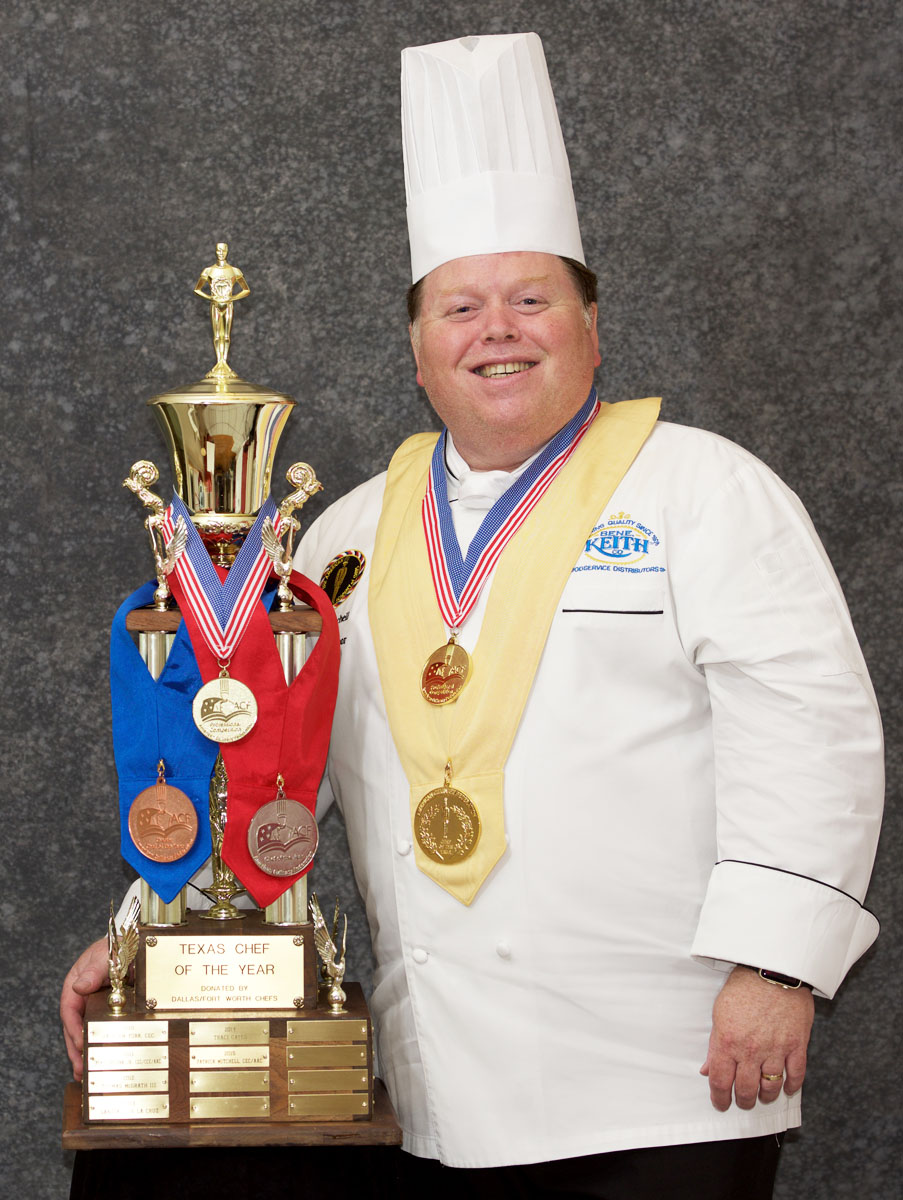
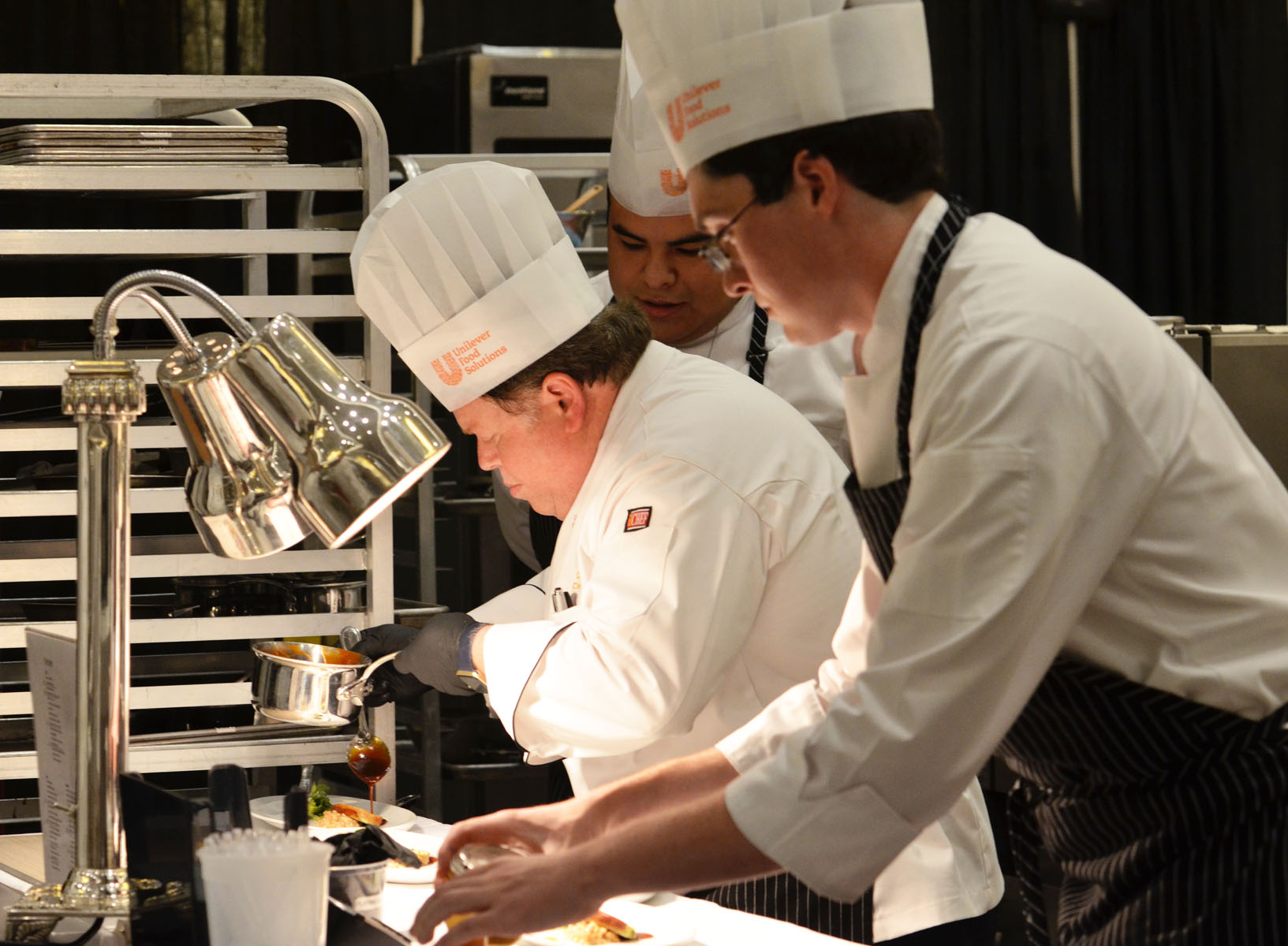
Since Chef Artie introduced him to his first competition in Philadelphia more than 30 years ago, Chef Patrick has participated in culinary competitions and cultural exchanges in 12 countries and won numerous awards. In 2015 he was named Texas State Chef of the Year and in early 2016, he won the Central Region competition placing him in the finals of the ACF National Chef of the Year, which he won. And in July 2018, he was one of 20 finalists from over 100 countries and represented the United States in the Global Chefs Challenge in Kuala Lumpur, Malaysia.
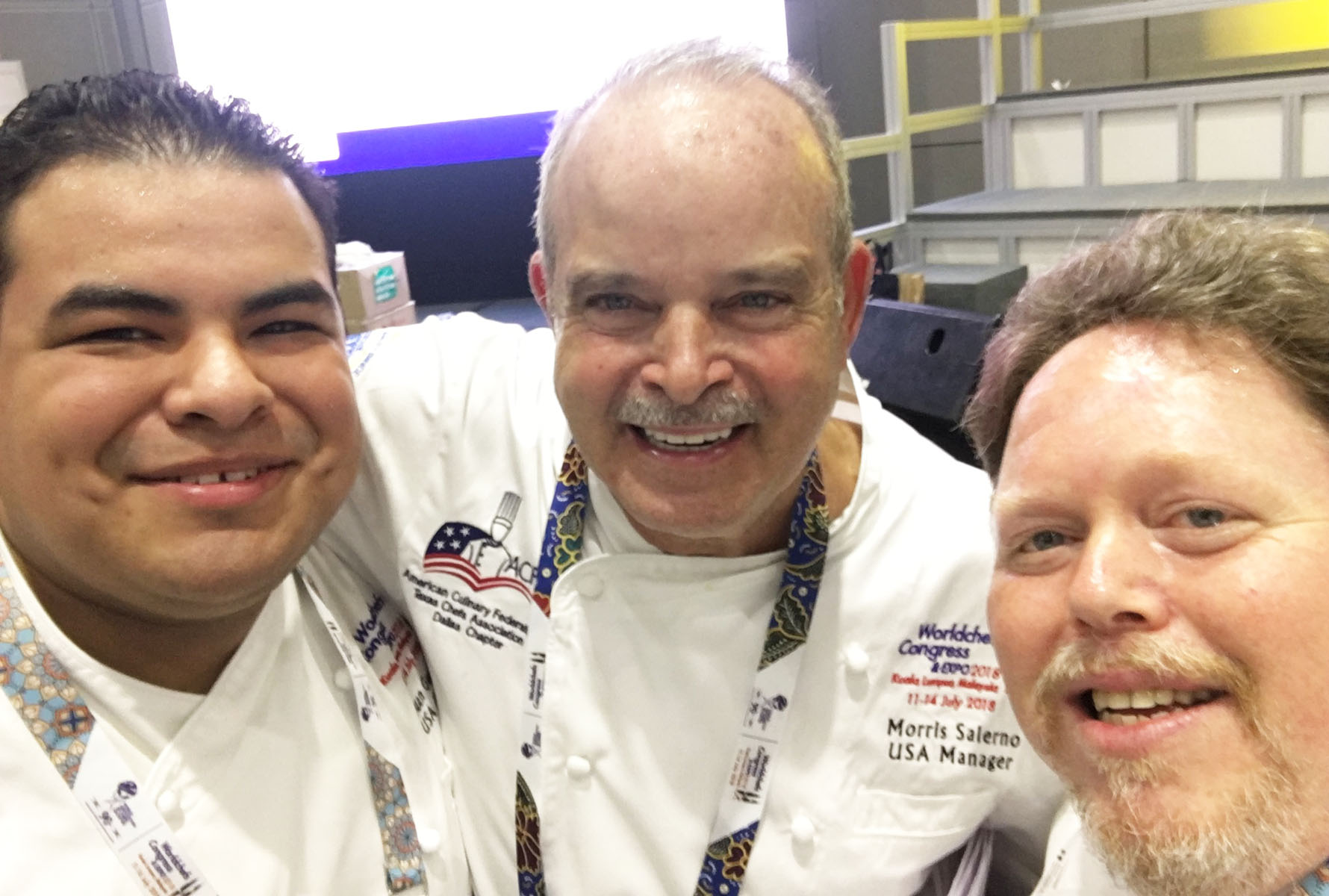
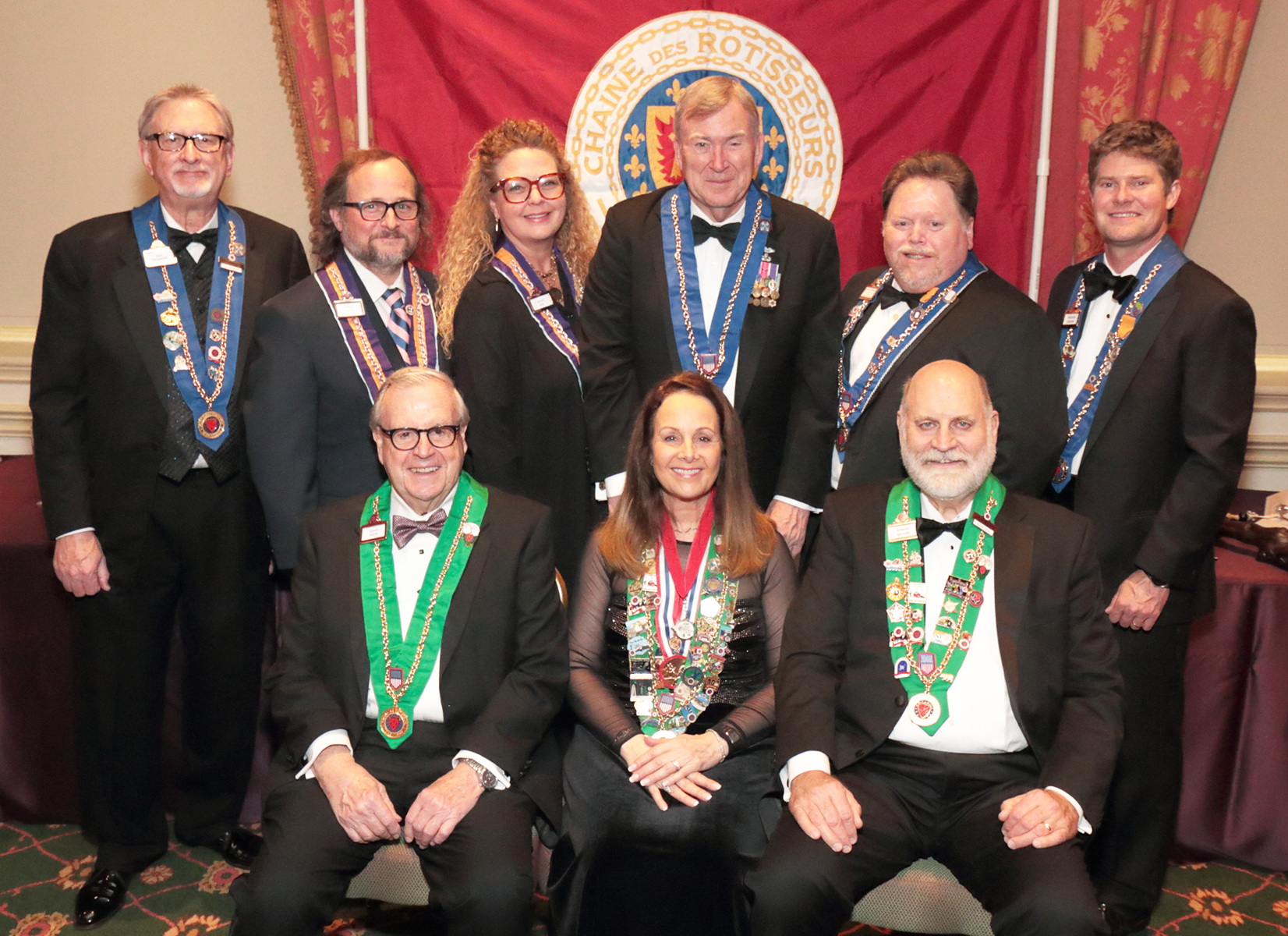
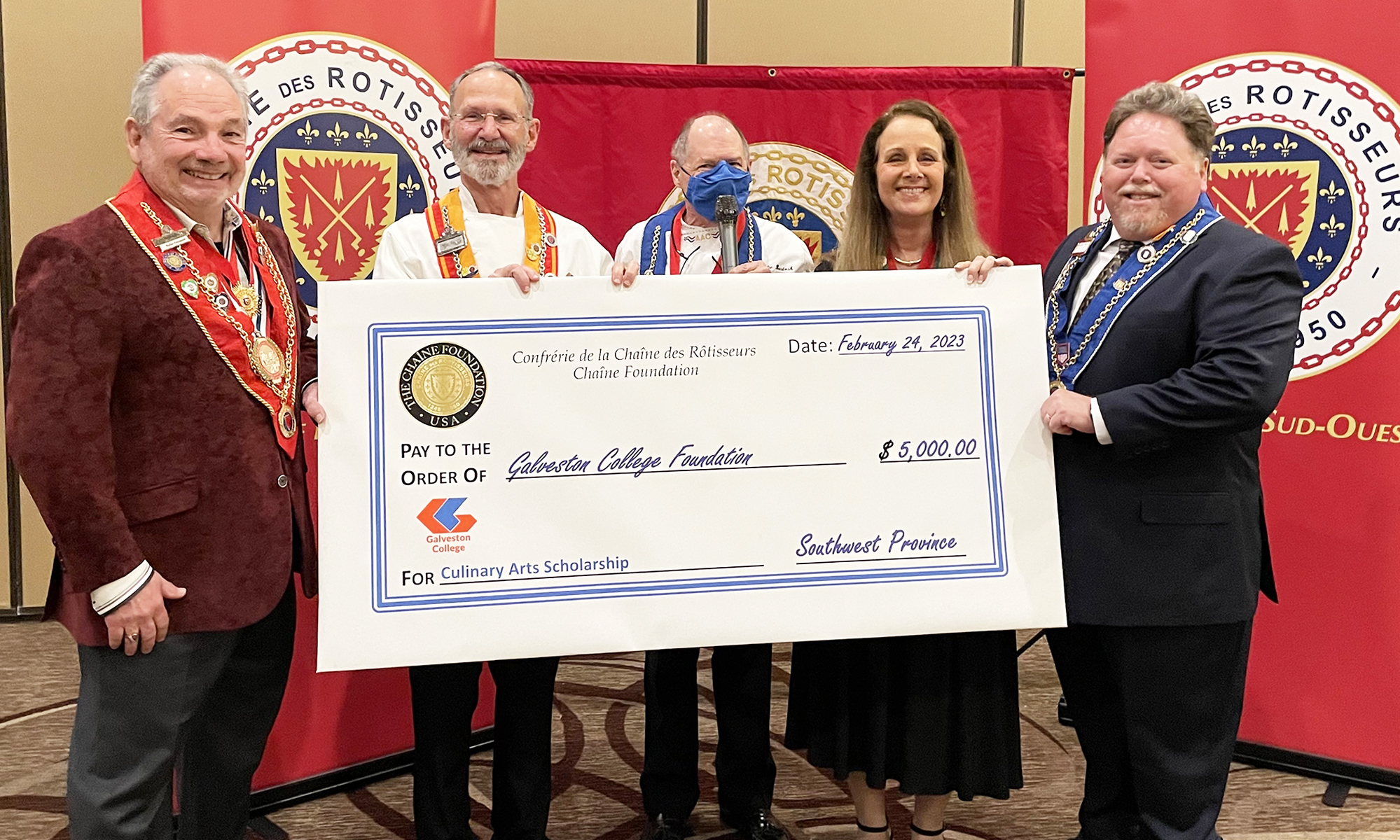
No longer competing, Patrick is busier than ever organizing and judging competitions to provide his wings for young professionals to fly under. As Chaine’s Culinaire Provincial for the Southwest Province, he has planned the upcoming regional Jeunes Chefs Rôtisseurs competition to be held at Texas State Technical College (TSTC) in Waco. He recalled a recent conversation he had with a young chef that typifies his commitment to pay it forward. A young chef asked for help quickly rattling off a long list of what he wanted to accomplish including competing internationally for the United States. He wondered if Chef Patrick could help him. “YES,” Patrick told him emphatically. “But let’s take it a step at a time.” That young chef will be one of five chefs competing in Waco.
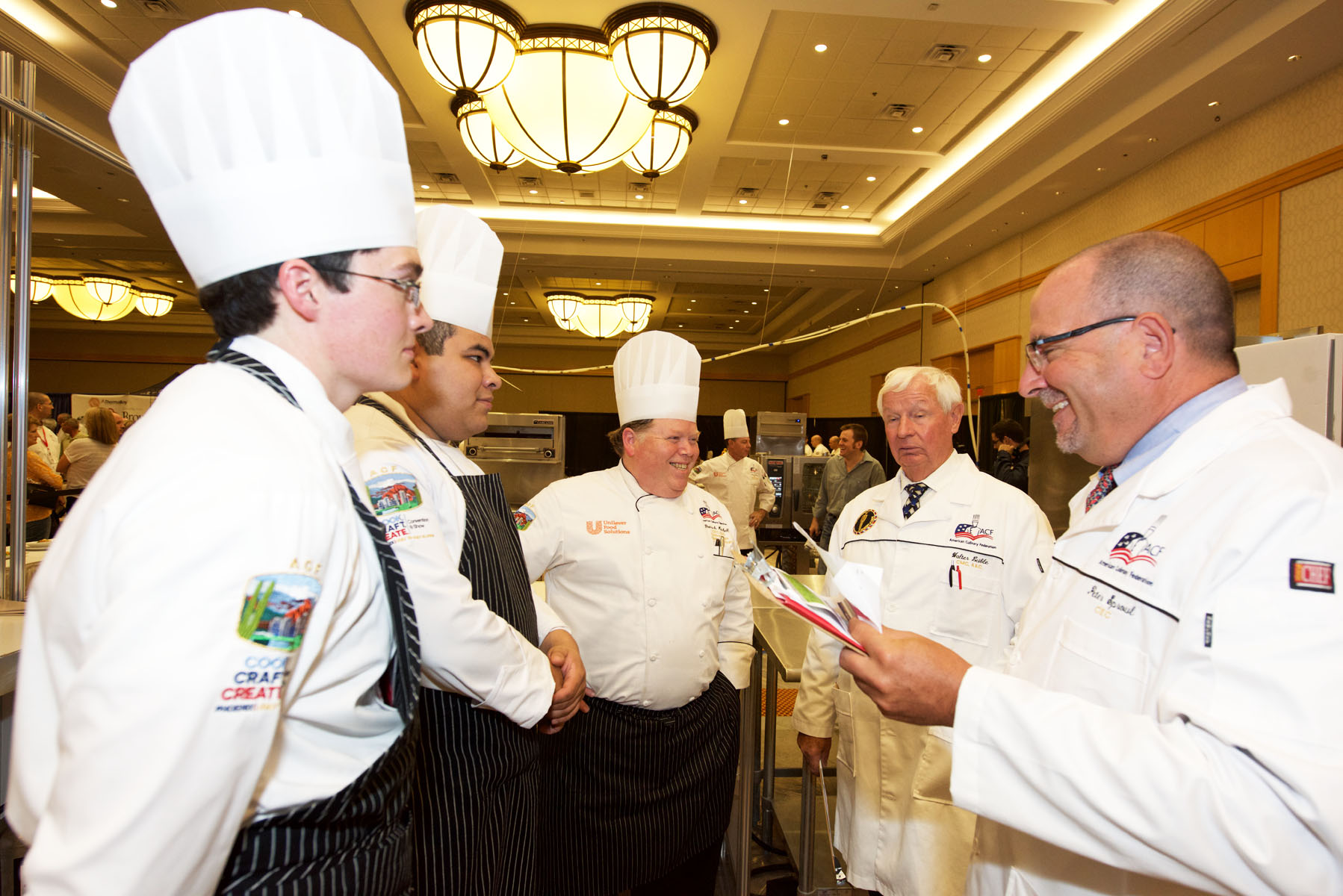
From his vast experience in culinary competitions, what is the secret sauce to success? Patrick had a straightforward answer: “You have to be open to constructive criticism.” Although his hours upon hours of watching videotapes at the CIA were not that much different from students today accessing online videos to learn techniques, students today have dramatically shortened what they believe is the learning curve to mastery, Patrick said. In fact, there is barely a curve. Many students believe after watching an online video and doing it once or twice, they are good to go. As a judge, Patrick can tell when a student is frustrated by his comments on areas that need improvement. Judges always start and end their comments to young chefs with positive feedback so it’s a bit perplexing to him why students are not open to learn from accomplished chefs.
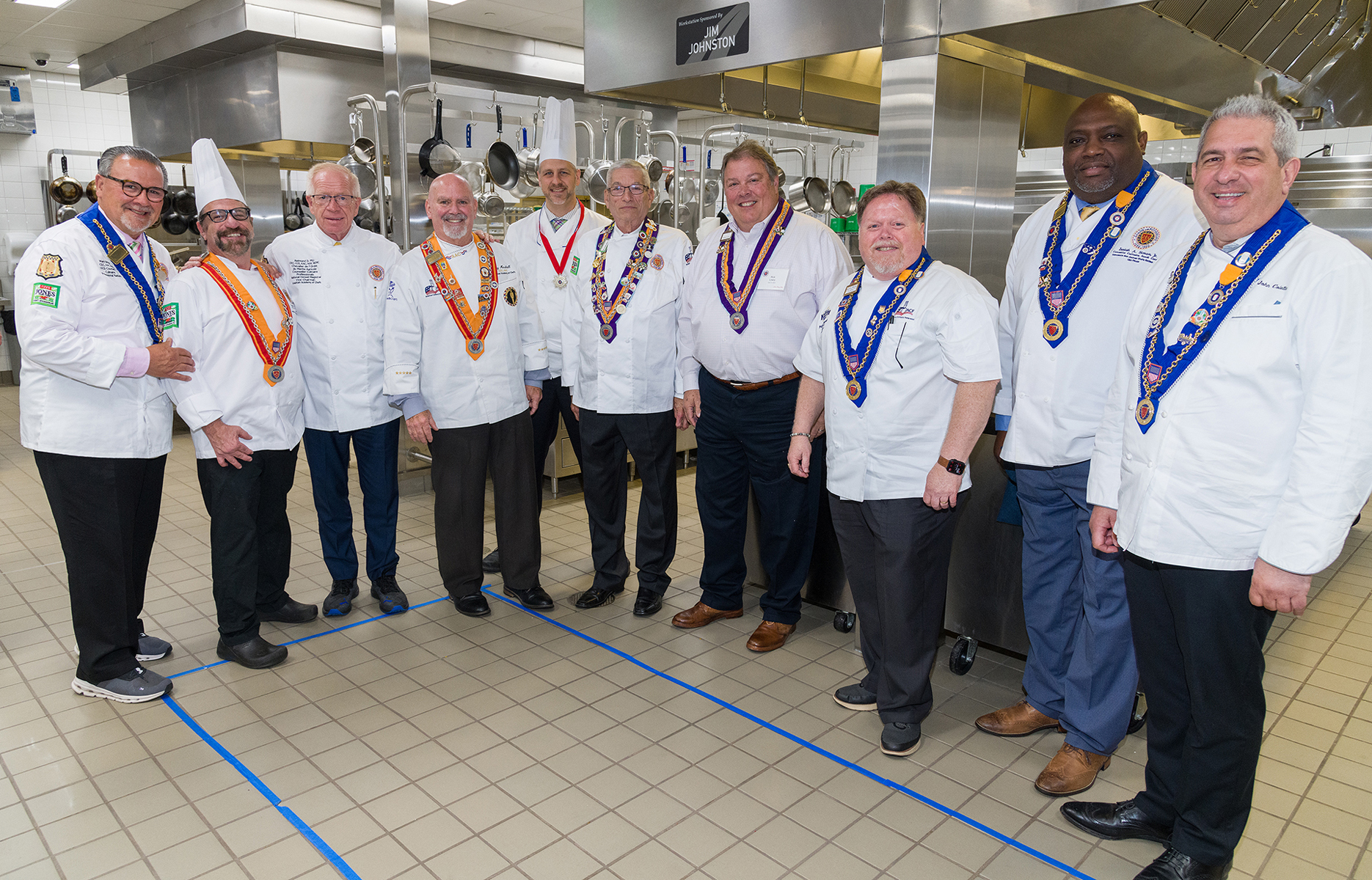
Patrick advises students to tell judges at the outset of their evaluation that they are interested in learning how to improve. That will go a long way to ensure students maximize benefits of competing.
Even with daunting challenges of young chefs thinking in nanoseconds instead of months and years, Patrick sees a bright future for the industry. In particular, secondary schools are doing a stellar job as feeder schools to more and more affordable post secondary culinary schools.
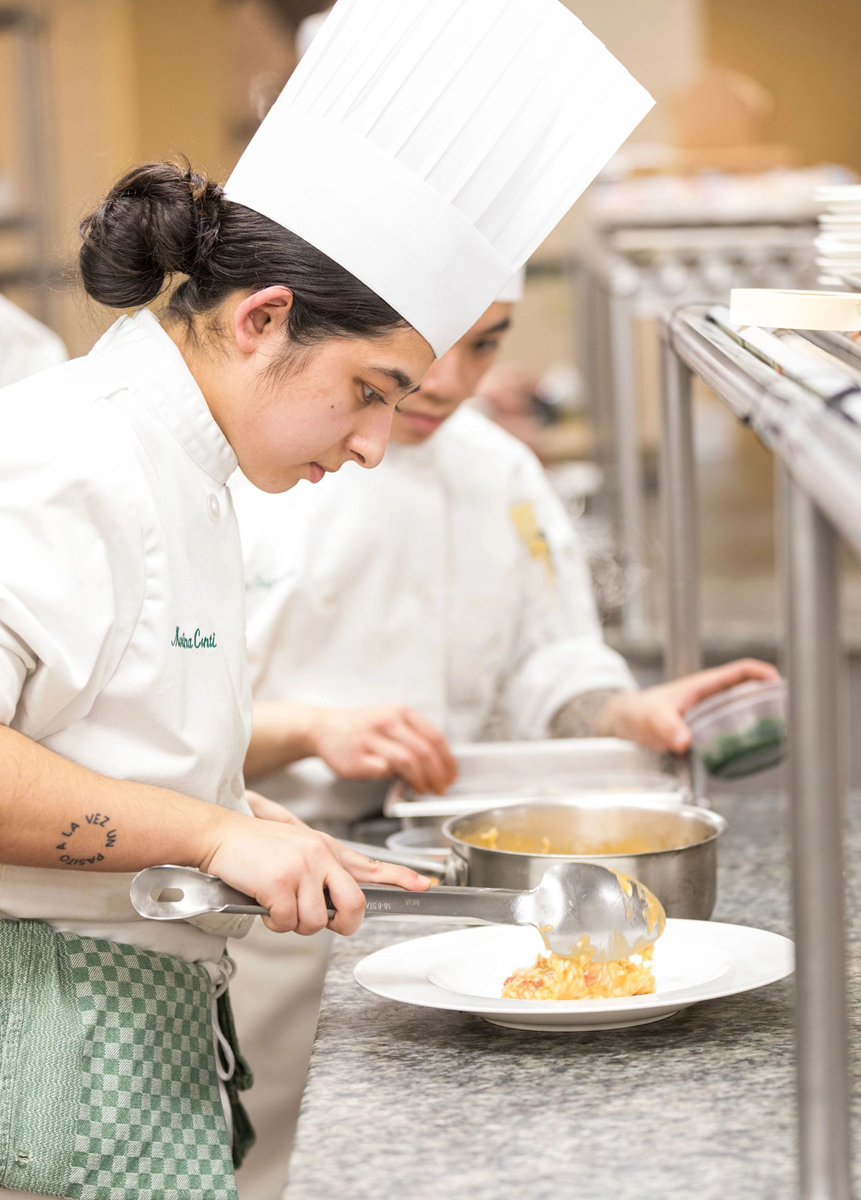
“It’s just amazing for me to see what’s happening in secondary education, the high school. There are a lot of college and career academies that are popping up in those districts with a career center. We see the results in these ProStart competitions when high school students are coming in and doing work that’s the quality of professionals. And they have very limited resources to work with yet they’re doing these dishes that are just amazing,” Patrick said.
The Chaîne is a vital cog in that wheel and so appreciated by professional chefs. Patrick said, “It’s a great group of people to be around. Their love and passion for food and beverage is equal to none. They also support the young chefs and raise money for scholarships. I see what they give back to the young chefs. I want to help make sure that’s facilitated properly and we find people who can benefit from their generosity. That’s the reason I am doing what I am.”
From his first competition in Philadelphia to the cliffs overlooking the Hudson to the French Quarter and finally to Fort Worth, Patrick has uniquely carved his career at each step along his path to success, a path paved with valuable lessons for young chefs today.
Tough love from a tough, talented chef with a goal to nurture the next generation to greatness is not a bad idea after all. Young chefs today just have a couple of cords to cut!
Links
Ben E. Keith Foods