Jan. 17, 2025 – Kelly Sanders, President-Group, Highgate, begins each and every day of the year with responsibility for 6,000 hotel rooms, a myriad of restaurants, and 3,300 employees across 16 properties within the Hawaii Highgate portfolio. He shoulders that responsibility with confidence and commitment as he manages the properties with one goal always top of mind – to consistently deliver superior, authentic Hawaiian experiences for guests. A clearly defined focus on helping employees nurture their potential and think outside the box has been Kelly’s operational philosophy throughout his more than 30 years of experience in hospitality management. His end result transcends guests’ benefits and bottom line metrics because of his track record of elevating hospitality to a level that cannot be quantified. “I’ve always said that you know when you walk into a hotel that is well run, the employees are happy and engaged and excited. That hotel has soul,” Kelly said to Chaîne during a Jan. 7, 2025, telephone interview.

Kelly’s heart and soul have been in the hospitality industry since he was in high school working as a busboy at a hotel restaurant in a small Idaho town where he grew up. When he graduated, he was the hotel’s front desk clerk. It was then off to the University of Utah where he secured a job as night auditor at a local hotel in Salt Lake City. Throughout his college years, he worked the hotel’s graveyard shift and attended classes during the day, a combination of real world and ivory tower experience that forged a rock solid foundation for his future success. “It was the good old days,” Kelly remarked.
After graduating in 1989, he and a good friend caught the entrepreneurial spirit. Going for it all, they placed an ad in the Wall Street Journal to purchase a restaurant. Within two years, they had four restaurants – one in California and three in Texas. With everything going well, they decided to open their own restaurant in Salt Lake City where they managed their business. “We were young and dumb,” Kelly said. After a series of unfortunate situations, they lost everything. “But I still had my night auditor job,” he reflected.
San Diego
The hotel offered him a promotion to front office manager so he never skipped a beat advancing his hospitality career. At age 26, the hotel moved him to San Diego to manage a small hotel. And then in what he describes as luck, Starwood purchased the hotel and kept him on as manager. Recognizing his talent, Starwood promoted him to General Manager of the Sheraton Harbor Island. Kelly now had responsibility for not only managing 1,053 rooms but also leading the charge to integrate new ways of delivering service as Starwood implemented a plan for Sheraton to reclaim its status as a world class brand. As Kelly supervised and completed the transformation, Starwood decided to host their World Conference at the hotel. “I had a lot of eyes on me,” he said. He meticulously planned the event from both an operations and food and beverage perspective. “I’ve always been very big on food and beverage. I don’t think, in a hotel, you can run a quality operation if you don’t have a great food and beverage operation,” he said.
Following the success of the conference, Kelly received a lot of job offers. He had opportunities to move to New York City and Hawaii but turned down both of those offers. He had been with the hotel for nine years and loved his team so he decided to stay in San Diego. Then on a Sunday afternoon, the Starwood CEO called him. They talked for two hours. The CEO recounted his own career path and did not mince words in his advice to Kelly about the job offer in Hawaii. “You need to move. You have to take this job,” the CEO told him. “He convinced me to move to Hawaii,” Kelly said.
Hawaii
In 2006, he was named General Manager of the Sheraton Waikiki, the largest Sheraton in the world at the time with 1,636 rooms. He again found himself leading the charge to reimagine a hotel, this time with a $200 million budget. “It’s like you have a day job and a night job,” he said. With his years of experience working around the clock, it was second nature for him to excel at both tasks. “I ran the hotel during the day and then I would lock myself in a room with my food and beverage director of operations to review flow charts, brainstorm, meet with designers, and create mood boards,” he said. Kelly kept this schedule for the two-year period during which the entire hotel was transformed. “I was able to really spread my wings,” he said.
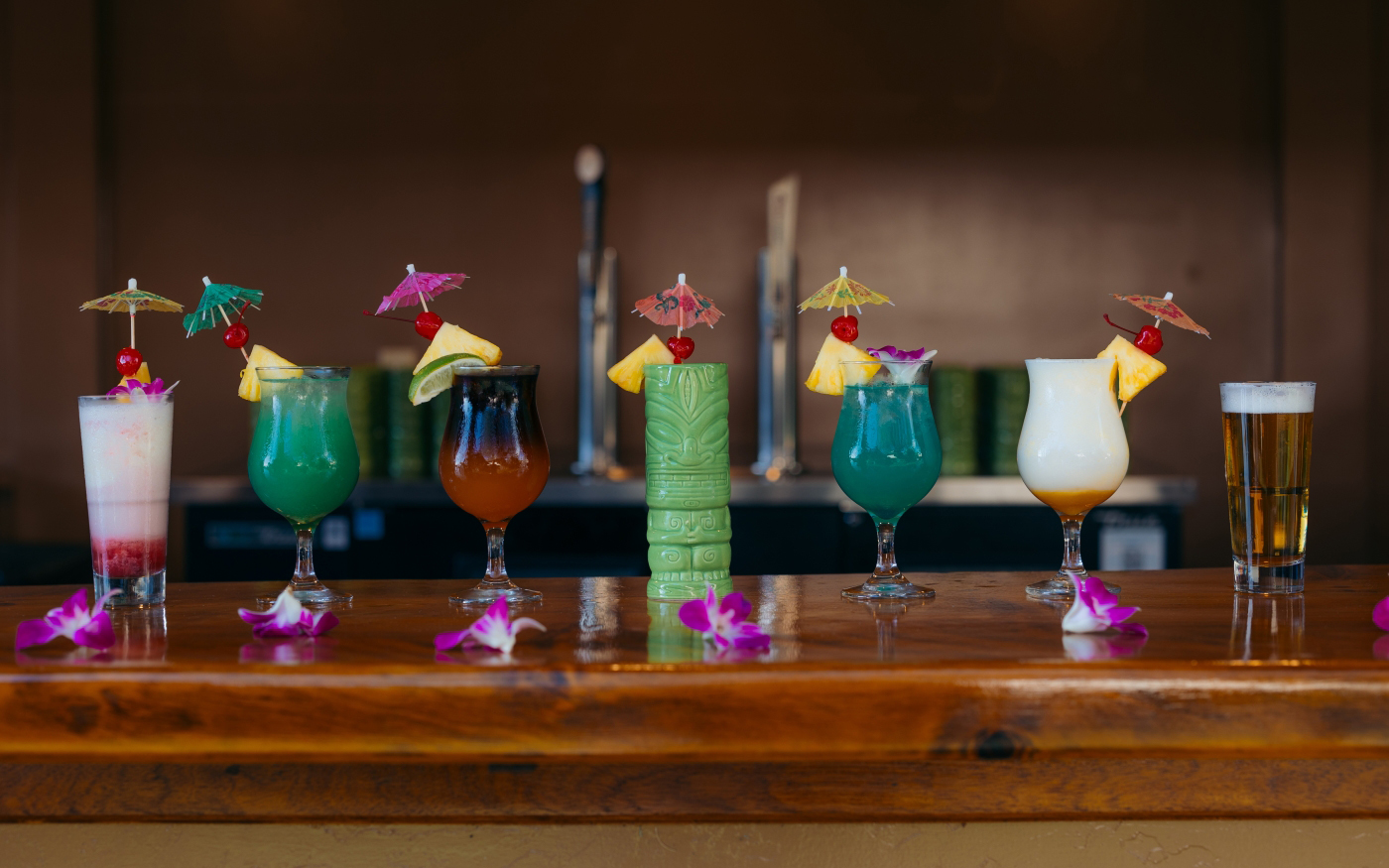
On Dec. 23, 2008, they opened Sheraton’s Rum Fire, a restaurant overlooking Waikiki Beach offering 101 different brands of rum and initially, small plates. Kelly collaborated with the Culinary Institute of Hawaii to create the menu. “One of the things I am most proud of is that we brought these young chefs. They didn’t have a lot of experience but we allowed their creative process to infuse the menu,” he said. Cyndi Lauper performed at the grand opening and held her New Year’s Eve concert there. “Rum Fire, I will say, to this day is one of the coolest places to go have a drink and appetizer in Waikiki,” he said.
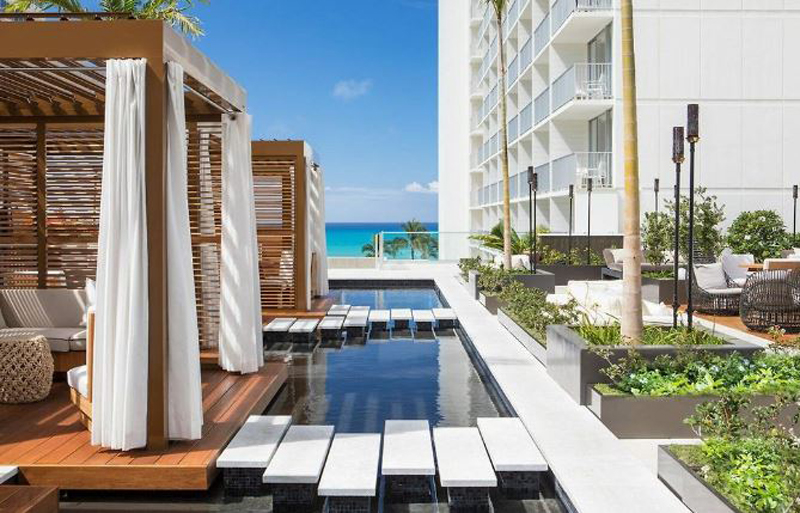
It was an instant success as was Kelly and his team’s other new restaurant at the Sheraton – Kai Market, an open air and enclosed restaurant with views of Waikiki Beach and the hotel’s Infinity Pool. Definitely thinking outside of the box and touching his past, he took out an ad in the local newspaper to invite families to submit treasured recipes for the buffet-style, Hawaiian fusion restaurant. After selecting those to include on their menu, Kelly invited the families to cook their recipes at the restaurant while celebrating their contribution. “We were able to pull really unique, different recipes from local families. They were so proud. In the beginning, we had lines out the door. It was very, very successful, very grass roots in trying to engage the community in a new concept. Tourists also wanted to come,” he said.
With the Sheraton Waikiki’s success, for the next 10 years, Kelly found himself managing more and more Starwood hotels in Hawaii including The Royal Hawaiian in Honolulu, the iconic “Pink Palace of the Pacific” that opened in 1927.
Highgate
In 2018, Kelly accepted a position with Highgate, a real estate investment and hospitality management company with more than 500 properties primarily in the United States but with locations around the world. Today, Kelly manages Highgate’s 16 Hawaii properties and is actively involved in evaluating Hawaiian properties for acquisition. On average, that process takes about one year but can be longer. Two years ago, Highgate completed a deal for a new resort property that was in development on Kauai, one of the eight main Hawaiian islands. “It’s going to be a spectacular new resort on Kauai that we’ve been a part of from the beginning,” Kelly said. Scheduled to open in 2026, Kelly has a very capable team to ensure its success as 40 to 50 members of his Starwood teams followed him to Highgate.
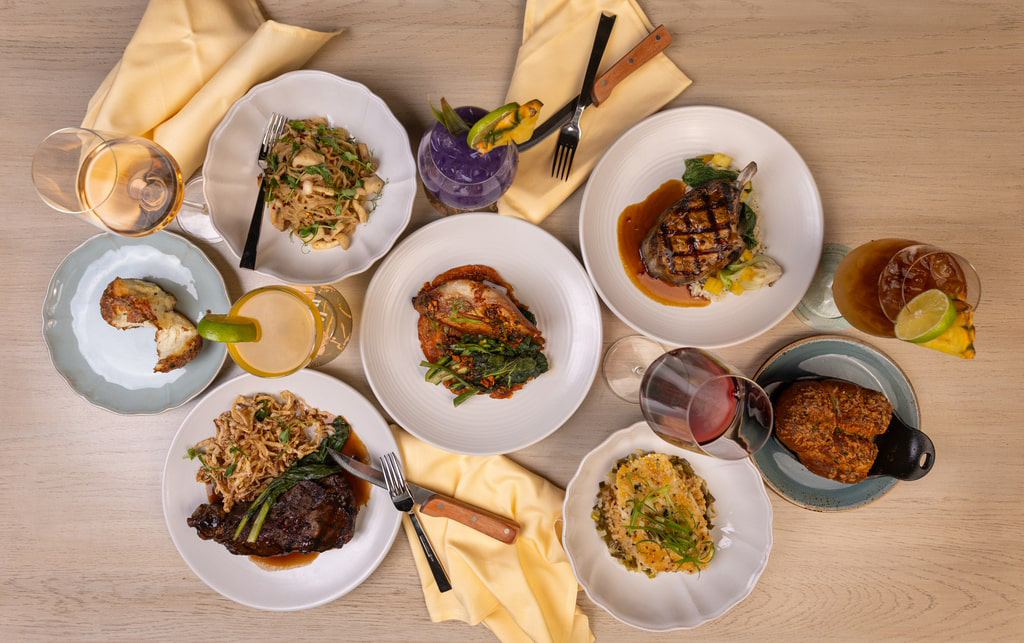
“My strength has always been in building great teams and allowing people to explore their talents within their role, working outside of the box versus dictating what they can and can not do,” he said. “When you allow people not to just come in and do their job every day but really invest in the business and invest in their part of the business, you create a culture that redefines the experience. That culture creates a soul in the hotel.”
Building great teams equates to creating cohesive teams of employees working toward and achieving a common goal. Kelly said he constantly reminds his teams that Hawaii is an aspirational vacation for many tourists in that they save their entire life to be able to afford a trip to Hawaii. When formally or informally greeting guests, Kelly tells his employees to assume it is their first visit to Hawaii. He also empowers his employees by giving them resources to use at their discretion to personalize their guests’ experience.
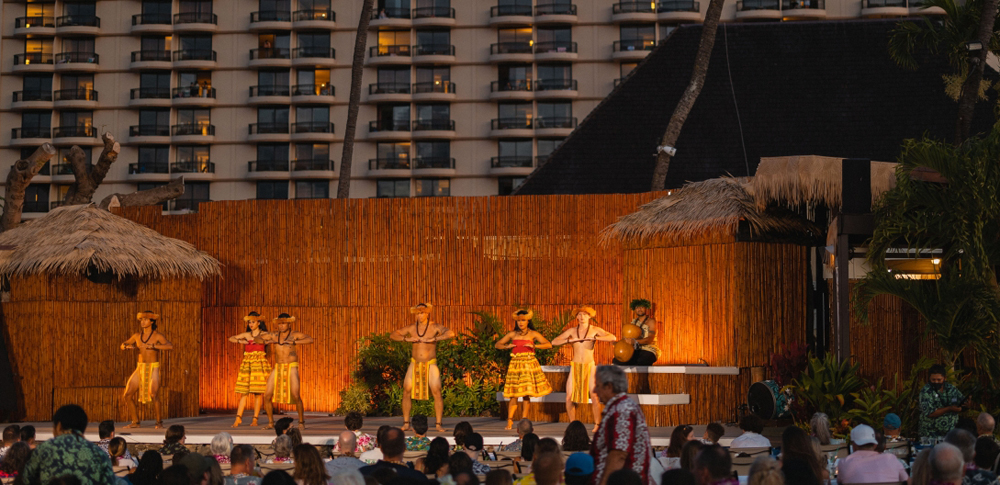
“People come to Hawaii to experience the culture of Hawaii. It’s not just about sun and sand and beaches. It’s about the deeper sense of that true aloha spirit,” he said. Kelly further explained that the word, aloha, means “breath of life,” which is communicated through language, the Hula dance, flower leis, textile weaving, basket weaving, and of course, by authentically welcoming everyone who visits the islands.
It’s not a modern marketing campaign. Kelly said Hawaiians internalized the aloha spirit hundreds of years before Hawaii became a popular tourist destination. Passed from generation to generation, families share traditions, share knowledge and demonstrate an authentic concern for others, defining the aloha spirit by their actions.
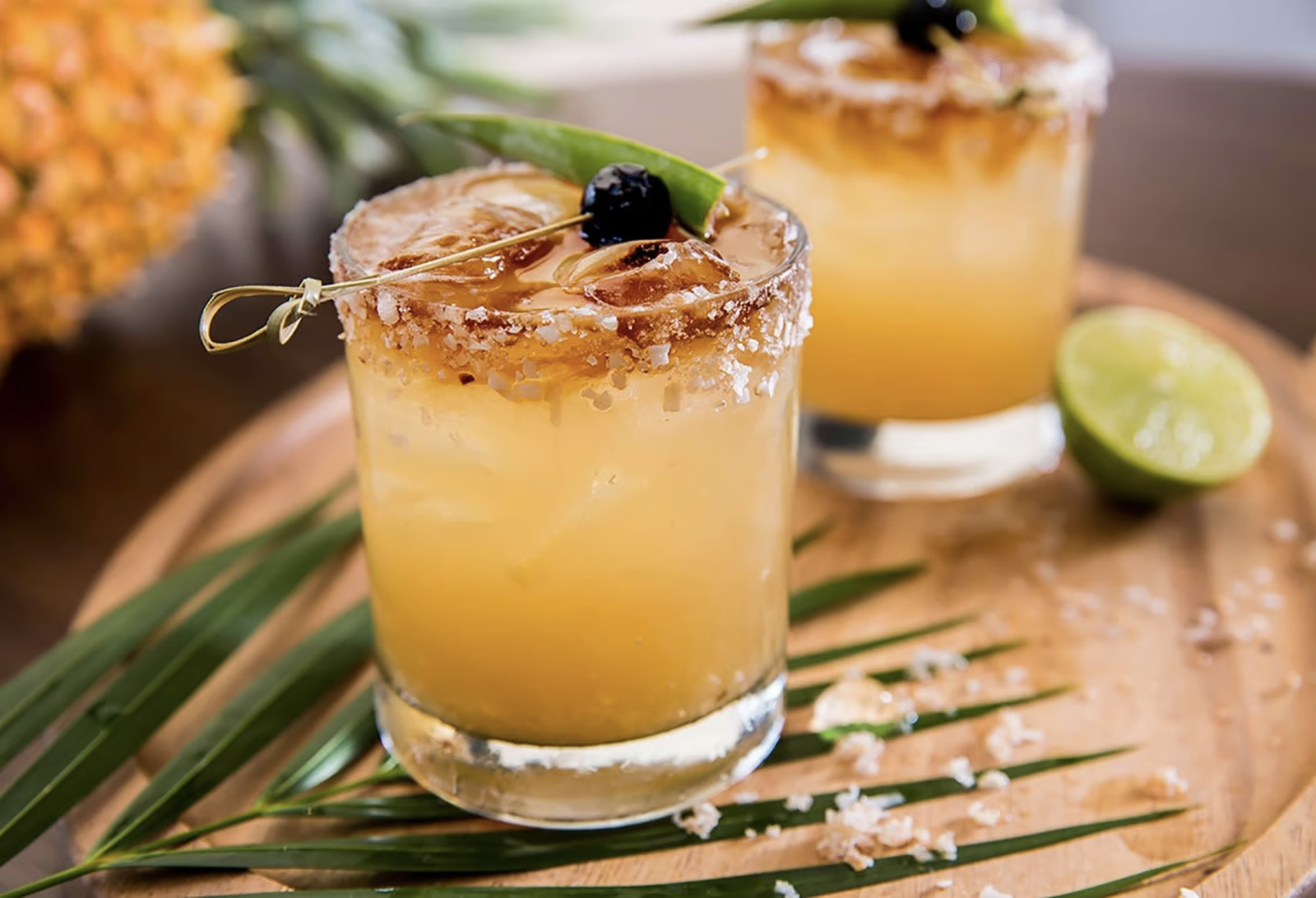
Within his Hawaii Highgate team, the aloha spirit is alive and well. “We’ve got the Hawaii tribe because we’re all interconnected. We all are there for each other. We’re supporting each other no matter what hotel, what role, what opportunity or what challenge faces us,” Kelly said.

That spirit was tested as never before during the pandemic in 2020 when all but one of Highgate’s seven properties at the time closed within one day. Having an existing employee-centric philosophy, Highgate adapted by centralizing operations within three new companies. Employees were deployed where needed from these new companies, a practice that was so effective, the company kept it in place following the pandemic. From 2020 to 2024, Highgate added nine new properties and more are in the pipeline, Kelly said.
Many companies find success early on only to fail as the business grows. For Kelly it always gets back to people. “For me and for many organizations, growth means change. It also means you have to scale your business appropriately. You have to ensure you have the capabilities and resources around you or within your organization to drive success from every level of the organization. Scaling appropriately and leading with a vision that everyone can get behind and understand, I think is critical,” Kelly said.
Chaîne
When Kelly first arrived in Hawaii in 2006, the only person he knew was Dr. John Magauran, now Bailli Provincial, Hawaii/Pacific Islands Province. “The first thing he did was sign me up for the Chaîne. I’ve become an avid member of that organization,” Kelly, Vice Chargé de Missions of the Kauai-Oahu Bailliage, said. Officier Cheryl Dickerson, Kelly’s mother and member of the Kauai-Oahu Bailliage, is currently assisting John as he coordinates and plans Chaîne’s Grand Chapitre in May.
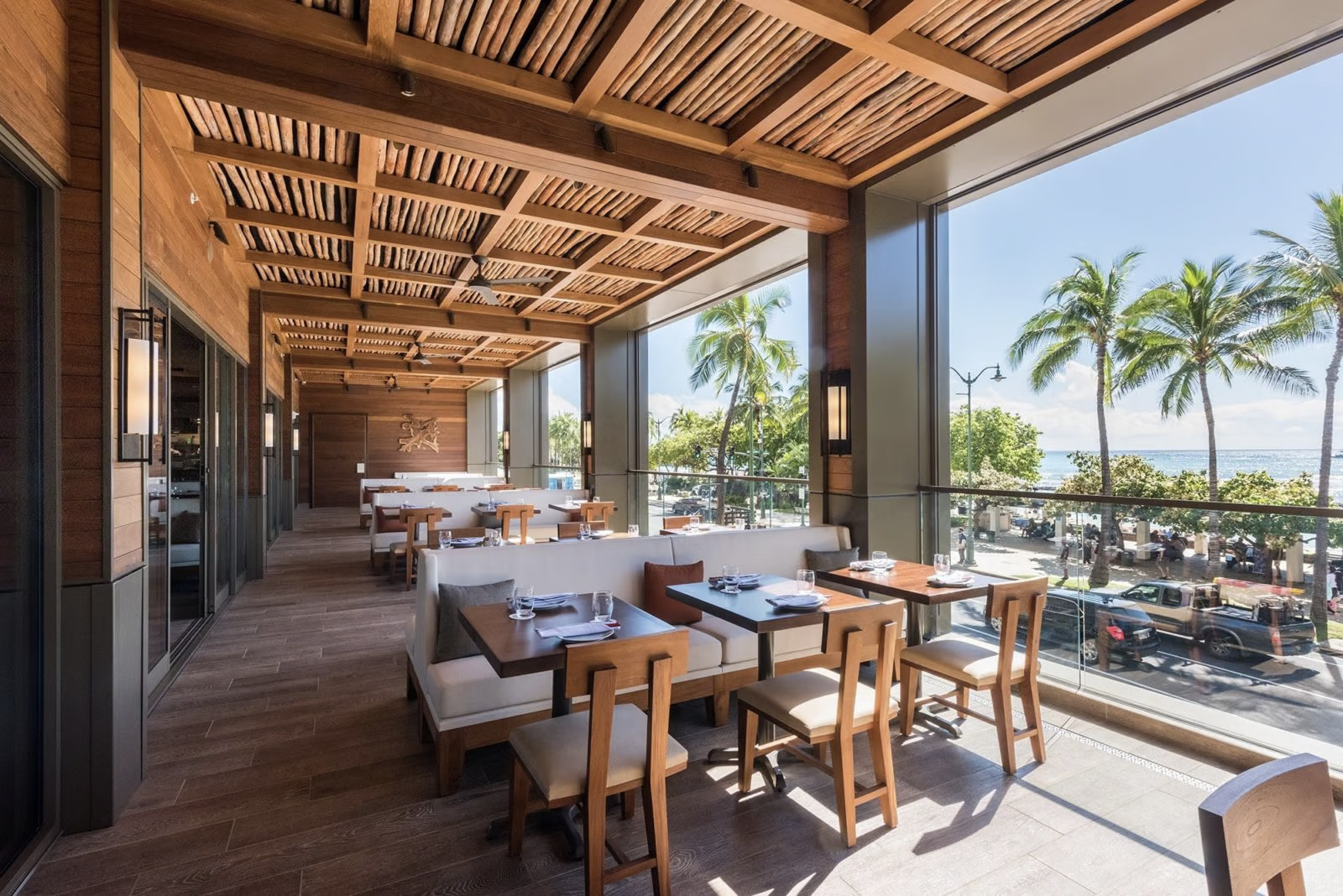
“My goal as the host hotel [‘Alohilani Resort] is to really make sure people come here and feel that aloha, that breath of life, and that they have these amazing experiences and go back and tell the world why Hawaii is the best place on the planet to visit,” Kelly said. “For Chaine members, if they haven’t been to Hawaii, Hawaii has become a culinary mecca, I would say. The food scene, the beverage scene here in Hawaii has exploded over the last 20 years. We have James Beard award winning chefs on the island creating unique experiences. There’s an opportunity to experience Hawaii in a new way.”
Touch Points
Kelly mentioned the importance of each touch point, every interaction with hotel guests, from taking their reservation to checking them out, and even with potential employees. Those brief moments in time are opportunities to advance and achieve their mission, he said.
It takes constant attention to detail, commitment, communication at all levels, and vital support from the top to consistently deliver excellent service. Impersonal as it is, Kelly said technology in the form of text messaging has helped them personalize the guest experience by being able to easily check in with their guests throughout their stay. But it’s certainly a balancing act as nothing can compare with the human touch.
He instinctively knew long ago as a teenager standing behind a front desk checking guests in and out that the secret to success rests with people. “As long as you can put the right people in the right seat, give them tools and allow free expression of ideas, you can change the world.”
When he walks into each of his hotels, what a joy it must be for him to feel the soul he created as steward of the property and leader of the thousands of human souls working together to achieve a shared goal.