Oct. 3, 2025 – Sixty-one years ago, Dr. David Bruce (1931-2021), a dermatologist in northern California who was introduced to wine as a medical student at Stanford University, opened a bottle of Richebourg Burgundy produced from grapes grown in the Cote de Nuits subregion of the Cote d’Or. Its aroma filled the air. After tasting it, he caught the wine bug as he would often say. Along with his professional medical career, David’s passion for red wine motivated him to launch a second parallel career as a winemaker. “I want to make the best pinot noir in California,” he exclaimed, according to Cody Ewers, general manager of the David Bruce Winery, during a July 11, 2025 telephone interview with the Chaîne. “We’re living in a David Bruce Winery 2.0 without the legend, David Bruce,” Cody said.
David Bruce
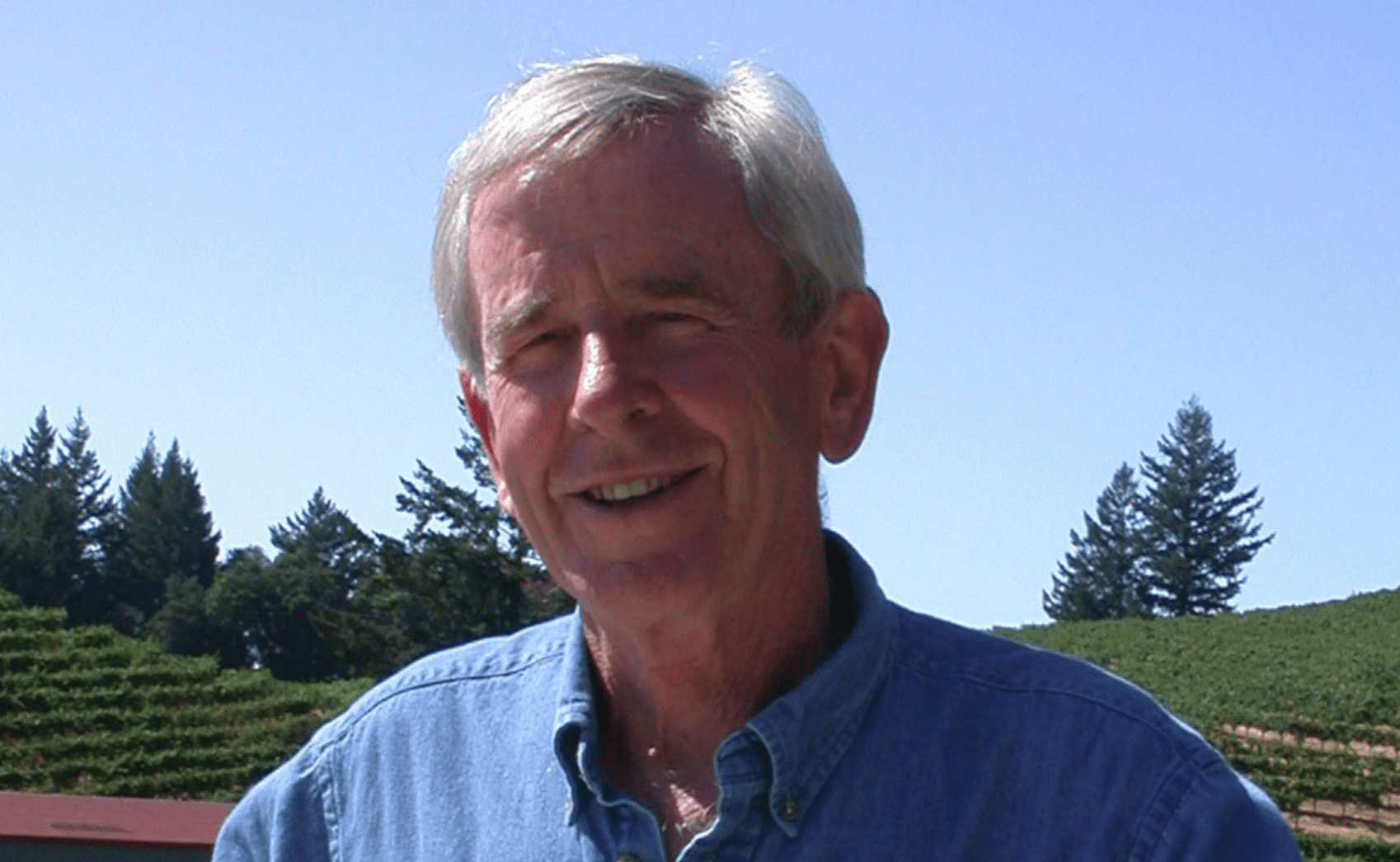
To fulfill his dream, in the early 1960s, David purchased 45 acres at the top of the Santa Cruz Mountains overlooking Monterey Bay. He enlisted the help of Martin Ray, a vintner with experience growing pinot noir grapes in Sonoma County.
David’s many hours spent in laboratories studying chemistry, physics and biology to earn his medical degree definitely influenced his approach to grape growing and then winemaking. He loved conducting experiments so he began fermenting many different types of grapes and then analyzing the results.
In consultation with Martin and with a singular focus on pinot noir, he developed a clone that is now known as the David Bruce Selection, vines he planted in his vineyard. Cody said what David did with that clone speaks volumes about the magnanimous man he was. Instead of closely holding the clone, he distributed it to his neighbors to plant and propagate. “You can’t plant a vineyard without cuttings from someone’s else vineyard,” Cody said.
It didn’t take long for the David Bruce Winery to gain international attention. The winery was one of 12 American wineries that participated in the Paris Wine Tasting of 1976, commonly known as the Judgment of Paris. It was a competition that put American wineries up against centuries old French wineries in two categories – chardonnay and cabernet sauvignon. When Stag’s Leap Wine Cellars from California came out on top with their cabernet sauvignon and another American winery won the chardonnay competition, California’s reputation as a premier wine region was sealed. The prestigious recognition in Paris spurred dramatic growth as vineyards popped up not only in Napa Valley but also throughout California’s Central Coast. The California dream now included owning and operating a vineyard and winery. From just a few dozen wineries in Napa Valley in 1976, several hundred now operate there, according to information from the Napa Valley Vintners.

In the 1960s when David planted his vineyard, his neighbors had the benefit of receiving a clone that was the result of David’s scientific approach to winemaking and passionate dedication to matching the quality of Burgundian wine. Decades later David was the beneficiary of his own generosity. In the 1990s, Pierce’s disease, a bacterial infection of grapevines first seen in California in the late 19th century, spread throughout his vineyard. David was able to get cuttings of his original clone from his neighbors to replant his vineyard. “He had a spirit of generosity and a belief that a rising tide lifts all ships. That was very much David Bruce, who he was,” Cody said.
In 1985, David closed his medical practice to become a full time vintner.
Mitri, David Bruce viticulturist who has worked in and managed California vineyards for more than 30 years, said David loved to pair food and wine. “He just loved going out to restaurants and sometimes would take one or two bottles of wine to give to the chef to make something around that bottle.”
David’s legacy
When David passed away in 2021, the void was deeply felt yet David had left such a defined vision and culture that Jan, his wife, was determined to carry it forward. She and her family decided against selling to a large conglomerate. “Even if the quality remained the same, the soul would not have been the same as if David had been alive and operating it,” Cody explained. David’s family wanted the winery to operate in the image and likeness of David’s original vision but they also wanted it to be financially secure for the future, Cody added.
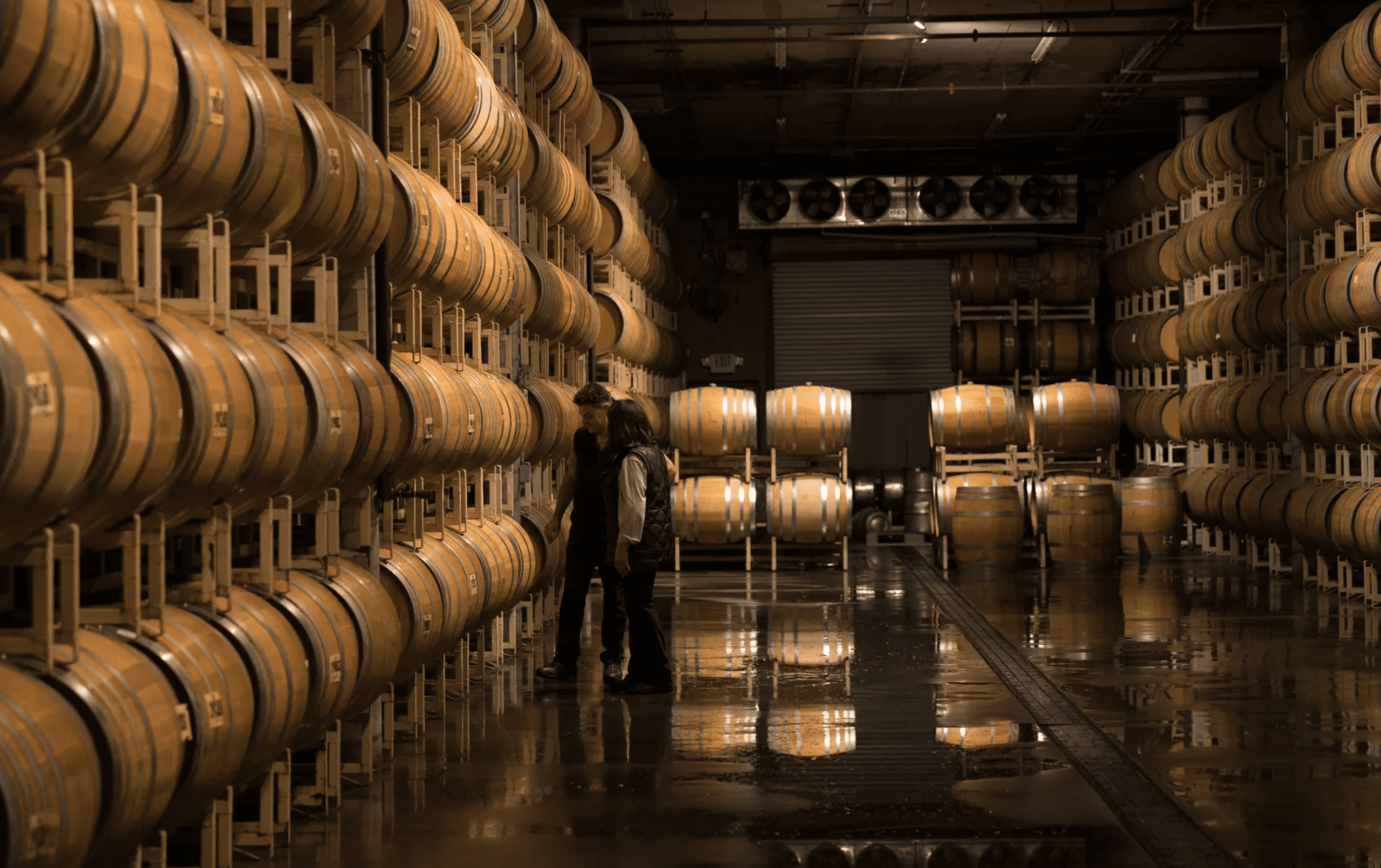
After studying various options, in 2022 the family gifted the winery, the brand, and the property to Hillsdale College in Michigan. David had supported the college during his life and while this type of arrangement was the first of its kind for Hillsdale, it made sense for both entities. As its new erudite and financial steward, Hillsdale leaves the day-to-day operation of the winery and all decisions in that regard to Cody and his team in California. The future will unfold with possibilities of academic collaboration including Hillsdale students completing internships at the winery and students receiving scholarships from winery proceeds. Both results are worthy of a toast!
Michigan has a rich heritage in agriculture and agricultural education with Michigan State University in Lansing internationally known for its agricultural research and extension programs, Cody pointed out.
2024 and Beyond
Cody joined David Bruce Winery one year ago as general manager. Born and raised in the Midwest and a Hillsdale College alum, Cody moved to California 15 years ago to explore a wine industry career with an historical twist. While at Hillsdale, he learned about the California wine industry from his roommate who was from Napa Valley and whose uncle grew grapes there. Both history majors, he and his roommate tossed around ideas for a California wine business that tapped into their passion for history. But first Cody had another idea for a career.
“I wanted to be a writer and photojournalist for National Geographic. When that didn’t work out, I moved West and found the wine industry,” he said. “I’m a fifth century B.C. Athens guy. It was not very common table talk for 22 year olds when I graduated.”
He and his roommate formed a wine company to sell wine focused on an historical theme or enduring idea. To make ends meet, he took a job at a winery working in the cellar, “cellar ratting” as it is known in the industry. For two years, he toiled at that entry level job but it was difficult to make ends meet.
“At the beginning, wine was a conduit to talk about my appreciation for history and then once I jumped into the cellar, I got bit by the wine bug, really hard,” Cody said. He had been bitten by the same bug David Bruce had.
Realizing that working in sales in any industry had lucrative potential, he began working for the Central Valley Builders Supply Company selling viticultural supplies to grape growers and vineyard management companies in Napa and Sonoma. He became well versed in underground irrigation lines and waterflow management techniques while attending certification courses organized through his company. “That was a lot of fun and such an eye opening experience,” Cody said.

The wine bug he caught firmly took hold. “I started being more of a wine guy instead of a history guy. I started caring more about what was in the bottle than on the bottle,” he said. At the center of that universe are grapes. As he worked in the industry, a message from his mentors came through loud and clear. “You can do whatever you want in the cellar but if you don’t start with quality grapes, you’re not going to make quality wine. I think that’s so true. It’s definitely a mantra that David Bruce had and I very much subscribe to that,” he said.

In 2022, Cody was named to the David Bruce Winery Board of Directors and in 2024, was named the winery’s general manager. He said his job responsibilities include everything from overseeing production, the tasting room, sales and marketing, forecasting, and tracking financial data to ensure capital improvements needed are aligned with the budget. “I am picking up where David left off. He was the heart and soul of this winery. I could never fill those shoes fully of course but we’re trying to upgrade our systems, whether it be software or financial or otherwise,” Cody said. “I keep everything running and the lights on.”
He is realistic about the challenges facing all wineries today as the wine industry is at a 40 to 50 year low in consumption as younger generations prefer beer, spirits and seltzers. “It’s the worst that we’ve ever seen it, certainly in my 15 years and in all of my mentors 40 plus years of industry experience,” Cody said. And not just alcohol preferences are determining consumption behaviors.
New healthy lifestyle messages from institutions are hoisting red flags about drinking alcohol. “When my parents were growing up, a glass of wine at night was good for your heart,” Cody said. “There are a lot of market forces that are driving sales down. But that said, there are some categories in the wine industry that are winning – premium beverages with a story, a rich heritage and legacy,” he said.
David Bruce wines fall into that category but they have not been immune from the downturn. “We’re insulated but we’re feeling it; I’ll be honest. But that said, people still come up to the mountain to hang out with us and to learn about what we’re doing. People still care about the way we are farming and the product we are making and how we’re making it. David’s original vision still holds weight and matters to people. I think we are well positioned to weather the storm,” he said.
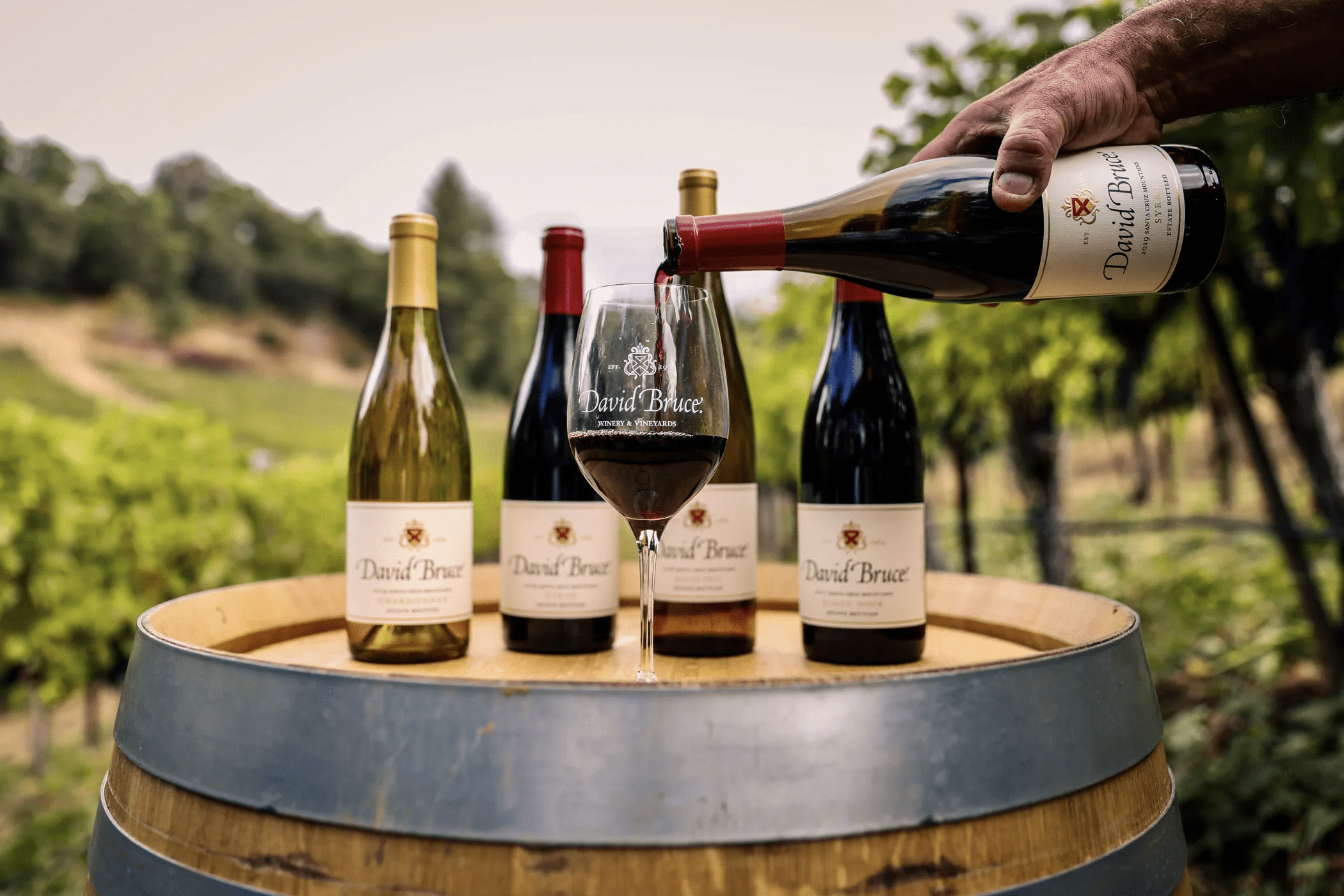
With a production of 8,000 cases per year, their wines are offered to the public through their Wine Club, in person purchases at their Tasting Room, and as Cody implements a sales and marketing plan, through a national retail distribution network that he is revitalizing.
Organized by tiers, David Bruce Estate wines (chardonnay and pinot noir) are made from grapes grown on 17 acres of their vineyard at the top of the Santa Cruz Mountains, part of the original 45 acres David purchased in the early 1960s.
The David Bruce Appellation Select Series includes wine made from grapes (chardonnay and pinot noir) sourced throughout northern and central California. Their California Central Coast Series offers wine made from grapes grown in that region.
New Varietals
To carry on David’s legacy, Cody said the winery has new varietals on the horizon. “I thought about how to honor David’s legacy, his desire for innovation and his insatiable appetite for trying new things, what works and what doesn’t, and having fun with both. In that spirit, I are very excited and delighted to change up the way that we bottle a little bit,” Cody said.
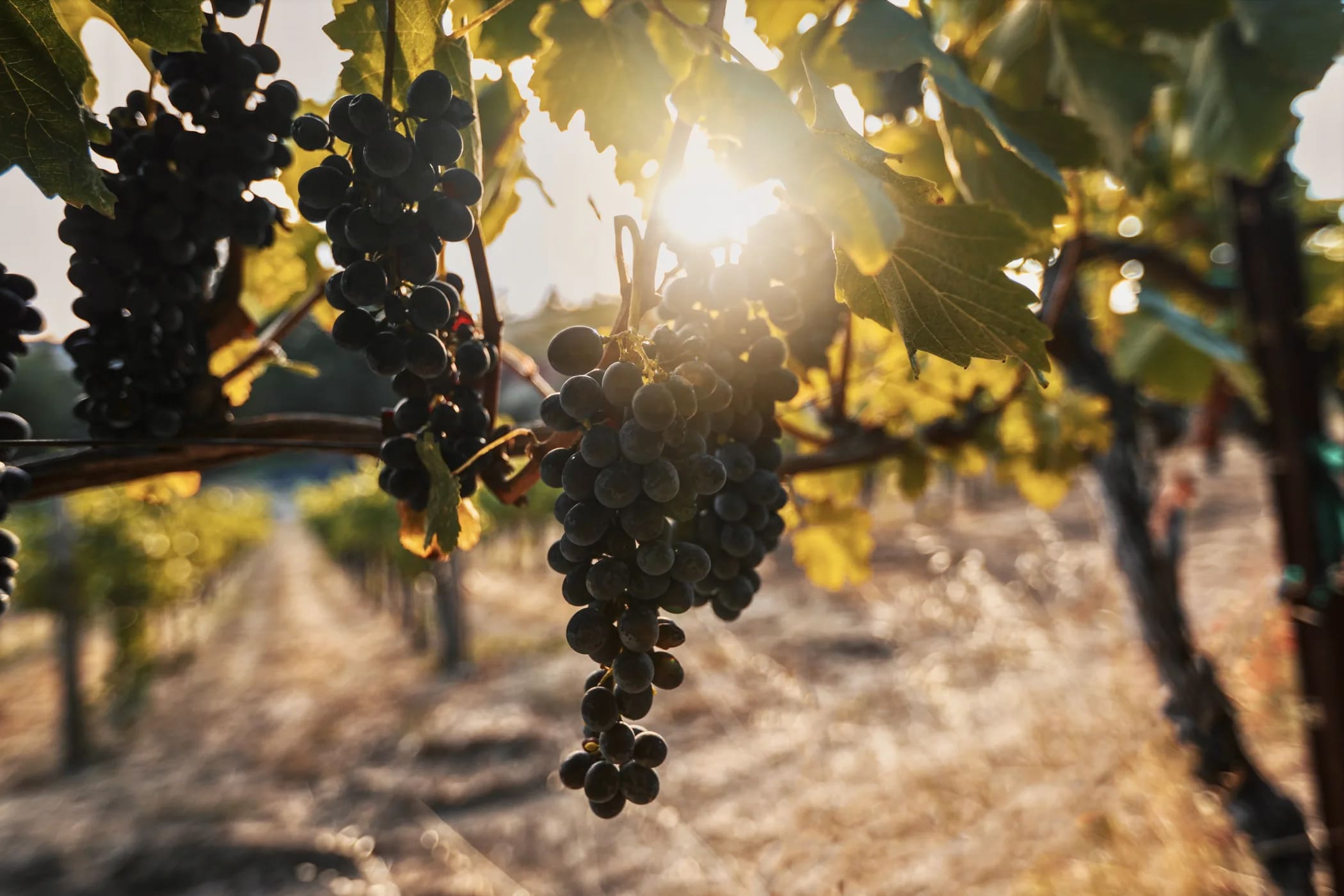 They will be picking grapes more in the 1990s style of David Bruce wines and will be doing clonal bottling and vineyard designated varietals. “We’re really excited for our Wine Club members and people to experience the varying degrees to which we can make and affect wine up here,” he said.
A team of five full time vineyard and cellar personnel do all of the farming with Mitri leading the way. “Mitri has been farming the Santa Cruz Mountains for about 30 years now. He knows what to do in the vineyard more than anyone I’ve met. It’s a delight to work with him and learn from him,” Cody said.
While challenges remain, remembering one of David’s many attributes is a daily morale booster for the team. “David was a very happy man. It’s such an historical legacy that we feel proud to do right. All of the things we’re doing will be done in the image of the David Bruce people might know or will be introduced to. It’s an honor to be part of this institution that’s existed for 61 years. Hopefully, we can do right by it and give it another 61 years,” Cody said.
It’s likely someone who opens a bottle of David Bruce pinot noir in the future will be inspired as David was so many years ago when the wine’s aroma filled the air and struck his soul.
Virtual Wine Tasting for Chaîne Members
 |
 |
 |
The David Bruce Winery will conduct a Virtual Tasting Webinar for Chaîne members at 7 p.m. EST on Thursday, Nov. 13, 2025. The webinar will feature the following David Bruce wines:
- 2021 Estate Chardonnay (SRP: $49)
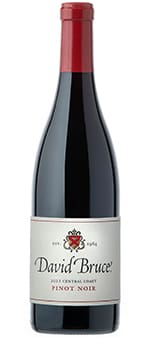
- 2021 Estate Pinot Noir (SRP: $65)
- 2022 Russian River Pinot Noir (SRP: $49)
Cody Ewers and Mitri Favarashi, Viticulturalist will discuss Bruce Winery’s farming philosophy, the uniqueness of Santa Cruz Mountains and why it is a wonderful place to grow Chardonnay and Pinot Noir. They will also discuss the 61 year old history of our winery, including our inclusion in the world-famous 1976 Judgement of Paris. Finally, they will talk through the wines we taste, discuss the growing conditions for those vintages and the vinification processes we employ to make such amazing wines!
Deadline for members to order in time for delivery will be 11/6. Pairing bundles will be offered as an add-on. Watch for more information and registration in the upcoming days.